
Can Infections Really Cause Male Infertility?
If you’ve just been told that an infection might be the reason for your fertility struggles, you’re probably feeling a confusing mix of emotions: worry, frustration, and maybe even guilt. You might be searching for answers, hoping someone will finally explain what’s really going on with your body and whether there’s a real chance to fix things. You are not alone in this—many men in India and across the world face similar questions about infections and male infertility, often in silence.
Let’s talk clearly and honestly about how infections can affect male fertility, what you should (and shouldn’t) worry about, and what steps you can take to make the best decisions for your health and your future family.
How Infections Can Impact Male Fertility
Infections can disrupt male fertility in several ways, sometimes with obvious symptoms, but often quietly and without warning. Here are some of the most important infections to know about:
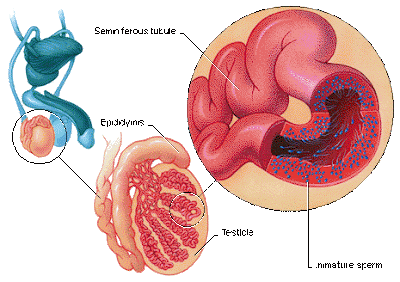
- Tuberculosis (TB): In India, TB is still a significant cause of male infertility. It can silently damage the epididymis (the tube that stores and transports sperm), causing blockages (obstructive azoospermia) and making it impossible for sperm to reach the semen. Diagnosing TB in the reproductive tract isn’t always straightforward—it can simmer under the surface for years without clear symptoms.
- Sexually Transmitted Infections (STIs): Infections like chlamydia, gonorrhea, and syphilis can scar and block the delicate tubes in the male reproductive system. Often, these STIs show few or no symptoms, so men may not realize there’s a problem until fertility is affected.
- Mumps: If a boy gets mumps after puberty, the infection can sometimes attack the testes (orchitis), causing swelling and pain. In rare cases, this can result in long-term damage and lower sperm production—especially if both testicles are affected. But not every boy who had mumps will face fertility issues later in life.
- Urinary Tract Infections (UTIs) and Other Bacterial Infections: Even bacteria that most people associate with urine, like E. coli, can sometimes travel up to the reproductive tract and harm sperm production or motility.
- Mycoplasma Genitalium: This lesser-known infection can hitch a ride on sperm cells, slowing their movement and making conception less likely. Symptoms are often mild or absent.
What Actually Happens in the Body?
When an infection attacks the male reproductive system, it can cause:
- Swelling and inflammation that blocks sperm from moving freely through the reproductive tract
- Permanent scarring of the tubes (epididymis or vas deferens) that carry sperm
- Damage to the cells in the testis that produce sperm (leading to low sperm count or no sperm at all)
- Changes in the quality of sperm—sometimes affecting their shape, movement, or ability to fertilize an egg
You might have heard the terms azoospermia (no sperm in semen) or oligospermia (low sperm count). Infections are a common cause, especially when there’s a blockage or direct harm to the testicular tissue.
Not Every “Infection” Is a Real Problem
Here’s where things get tricky: Many labs and even some doctors over-diagnose “infections” based on semen analysis reports. If your report mentions “pus cells” or “white blood cells” (sometimes called leucocytes), don’t panic. A few of these cells are completely normal in semen. Sometimes labs mistake sperm precursor cells (round cells that are part of the normal sperm production process) for pus cells. This leads to unnecessary worry and, even worse, a round of antibiotics that won’t do any good.
Just because your semen report shows pus cells or bacteria doesn’t mean there’s an infection harming your fertility.
Many “positive” semen cultures just find harmless bacteria that normally live in the reproductive tract. Treating these findings with antibiotics rarely helps with fertility and can even cause side effects or resistance.
How Do You Know If an Infection Is Actually Affecting Your Fertility?
If you have a history of:
- Swollen or painful testicles (especially after an illness like mumps or a known STI)
- Burning during urination, unusual discharge, or genital pain
- Repeated urinary tract infections
- Proven infertility with low or zero sperm count, especially if you’ve never fathered a child
then a specialist may recommend targeted tests. These could include ultrasound scans of the testes, special semen tests, and sometimes even a biopsy or advanced genetic investigations if blockages are suspected.
What Can Be Done If an Infection Has Caused Damage?
It’s deeply distressing to learn that an old, silent infection may have blocked your reproductive tract or damaged your sperm. But there are still options, and you have the right to know what they are—without false hope or wasted time.
- If there’s a blockage: Surgical sperm retrieval methods (like PESA, TESA, or micro-TESE) can often find healthy sperm directly from the testis or epididymis for use in IVF or ICSI.
- If sperm production is low but not zero: Lifestyle changes, treating any active infections, and sometimes medications can improve sperm quality or count. But this has to be guided by a fertility expert, not random treatments.
- For couples struggling to understand their reports: Honest, evidence-based advice from a doctor who sees you as a person—not just a diagnosis—makes all the difference.
couples struggle with infertility, and infections are a leading cause in men—often without any clear symptoms.
What No One Tells You: The Emotional Toll
There’s a hidden stigma around male infertility caused by infections. Many men feel embarrassed or even ashamed to discuss past infections or sexual health. It’s common to feel isolated, to blame yourself, or to avoid seeking help out of fear. But the truth is, you didn’t do anything wrong—and these infections are far more common than most people realize.
Male infertility isn’t about failure or weakness. It’s a medical issue, and getting the right advice is a sign of strength.
At Malpani Infertility Clinic, we believe in giving you honest answers—no scare tactics, no unnecessary treatments, and no judgement. Our goal is to empower you with knowledge and real options, so you can make the best decisions for your future.
How to Move Forward—And Who Can Help
If you’re worried that an infection could be affecting your fertility, or if you’re confused by your semen analysis report, don’t jump to conclusions or start self-medicating. A thorough, expert evaluation is the only way to get clarity and avoid wasting valuable time.
Our team at Malpani Infertility Clinic takes every patient’s story seriously. We look beyond the numbers on a report to understand your full medical history, current health, and hopes for the future. If you’d like clear, personalized advice about infections and your fertility, you can speak directly with a fertility expert here.
Frequently Asked Questions
Q: Can all infections cause permanent male infertility?
A: No, not all infections lead to permanent infertility. Many can be treated without lasting effects. However, certain infections—especially if untreated or severe—can cause scarring or blockages that make natural conception difficult or impossible.
Q: Should I take antibiotics if my semen analysis shows pus cells?
A: Not automatically. Many labs mistake normal round cells for pus cells. Only take antibiotics if there’s clear clinical evidence of infection and your doctor recommends it after thorough evaluation.
Q: How can I know if a past infection is the reason for my fertility problems?
A: A fertility specialist will look at your medical and sexual history, physical examination, and specialized tests (like ultrasound or advanced semen analysis) to determine if an infection is the likely cause.
Q: Are STIs like chlamydia and gonorrhea always symptomatic in men?
A: No, many men have these infections without any symptoms. That’s why regular STI testing is important, especially if you have multiple sexual partners or are planning to start a family.
Q: If I had mumps as a child, will I be infertile?
A: Not necessarily. Mumps can damage sperm production if both testes are affected after puberty, but most boys who have had mumps do not face infertility as adults.
Q: What are my options if infections have caused a blockage?
A: In many cases, sperm can still be retrieved surgically for use in assisted reproductive techniques like IVF or ICSI. A fertility specialist can guide you on the best approach for your situation.
Q: Can infections affecting my fertility spread to my partner?
A: Yes, some infections (especially STIs) can be passed to partners. Timely diagnosis and treatment are crucial for both partners’ health and future fertility.