
PCOD - Causes, Symptoms &Treatment | A complete guide for infertile women
“Why is my body not listening to me?” If you are a woman struggling with irregular periods, unexplained weight gain, acne, or ever-growing anxiety about your fertility, you are not alone. Many women who walk into Malpani Infertility Clinic share the same confusion, the same heartbreak every time their period disappears or their pregnancy test turns up negative. PCOD (polycystic ovarian disease) can feel like your body is working against you. But knowledge is power. Understanding what is happening inside you can give you the confidence to regain control, make better decisions, and find the right support on your path to parenthood.
What Exactly Is PCOD?
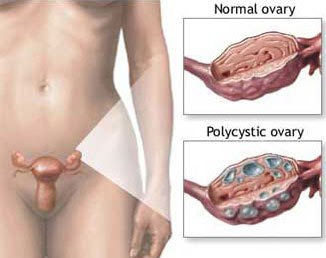
PCOD, also called polycystic ovarian disease, is one of the most common reasons women face difficulty getting pregnant. In simple words, PCOD is a chronic condition where the ovaries do not function as they should. Instead of producing and releasing a mature egg every month, the ovaries make lots of tiny, immature follicles (small cysts) that cannot complete their journey. This leads to irregular periods and often, trouble conceiving.
PCOD is not just about the ovaries. It is a hormonal imbalance that affects your entire body and mind. The most common hormones involved are:
- Androgens (“male” hormones, like testosterone), which can be higher than normal in women with PCOD, causing acne or unwanted hair growth
- Insulin, the hormone that controls your blood sugar, which may not work as well as it should (insulin resistance)
- Progesterone, which is usually low, causing missed or irregular periods
The cause of PCOD is a mix of genes, lifestyle, and sometimes environmental factors. It often runs in families, but diet, weight, and stress can make symptoms worse. And yes, it can be overwhelming to manage a condition that touches so many parts of your life. That is why you deserve clear, honest guidance.
How PCOD Affects Your Periods and Fertility
If you have PCOD, one of the first things you notice is how unpredictable your periods become. Some months, you wait and wait, hoping each delay is a sign of pregnancy—only to be let down by another negative test. Other times, your period arrives suddenly and is so heavy or painful that it leaves you drained. This cycle of hope and disappointment can be emotionally exhausting.
But why do irregular periods make it harder to get pregnant? Here’s the simple answer: Regular periods usually mean you are ovulating (releasing an egg) each month. Irregular periods often mean your ovaries are not releasing eggs regularly. No egg means no chance of natural conception that month.
Missing periods isn’t just inconvenient—it is your body’s way of telling you that ovulation is not happening.
Besides the emotional toll, irregular periods can also affect your health. Long gaps between periods may lead to heavy bleeding when your cycle finally arrives, which can make you anemic. The uncertainty also makes it hard to plan your life around work, travel, or family events.
Sadly, many women with PCOD are told “don’t worry, it will get better after marriage” or “just wait, it will fix itself”. This is simply not true. PCOD requires active management, no matter your age or marital status.
Managing Irregular Periods: What You Need to Know
Learning how to manage your periods gives you back a sense of control. At Malpani Infertility Clinic, we empower our patients to be proactive, not passive. Here is the honest truth: You do not need to wait endlessly for your period each month. There is a safe way to induce your period, and it is simpler than you think.
If you are not pregnant (always confirm with a urine pregnancy test first), you can take a short, five-day course of a natural hormone called progesterone. This hormone—something your own ovaries should make every month—triggers a period, which usually arrives 2 to 7 days after finishing the course. Some common brand names for this medication are Provera, Deviry, and Regesterone. The dose is 10 mg, twice a day, for 5 days. That is it—just 10 tablets a month can bring you a regular cycle.
Many women fear hormones, worried about weight gain or side effects. But the progesterone you take is simply replacing what your body is not making. It does not cause addiction, nor does it interfere with your future fertility. Think of it like a diabetic taking insulin: You are helping your body do what it was meant to do naturally.
And if you accidentally take progesterone when you are already pregnant, there is no harm. In fact, progesterone is often prescribed to support early pregnancy. If you do not get a period after this course, your doctor will look for other causes—like pregnancy or a temporary ovarian cyst—using blood tests and an ultrasound.
Here’s a practical tip: Do a urine pregnancy test on the same day each month (for example, the 1st). If it is negative, take your 5-day progesterone course. This routine removes the guessing game from your life.
What About Heavy Bleeding or Missed Tablets?
If you forget your tablets and end up with a very heavy period, do not panic. Medicines like ibuprofen or indomethacin (taken for 3-4 days) can reduce the bleeding and discomfort. These are safe to use as needed. The important thing is not to let guilt or fear of “doing it wrong” stop you from getting help. PCOD is not your fault.
PCOD and Infertility: What Really Works
Many women believe that if they just regularize their periods, pregnancy will follow. Unfortunately, this is not true. Progesterone helps you get periods, but it does not help you ovulate (release an egg). For pregnancy, you need more specific treatment.
- First step: Check your partner’s sperm count and make sure your fallopian tubes are open. Skipping this can waste precious time.
- Ovulation induction: Medicines like metformin (1500 mg daily) or myoinositol (2 g daily) can help some women ovulate, especially if you have insulin resistance. Try these for 3-6 months.
- If that fails: Clomiphene or letrozole are used to encourage your ovaries to release an egg.
- Next step: If simple medicines do not work, treatments like IUI (intrauterine insemination) or IVF (in vitro fertilization) may be recommended. These steps should be guided by a fertility specialist with experience in PCOD, because PCOD ovaries can sometimes overreact to fertility drugs, leading to multiple eggs or ovarian hyperstimulation (OHSS).
of women with PCOD do not know they have it, but with guided treatment, many can successfully conceive.
It is important to remember that PCOD cannot be “cured”—but with the right treatment, most women can have regular periods and healthy pregnancies. The process can be frustrating, but you do not have to go through it alone. At every stage, having an experienced, honest guide matters. That is where our team at Malpani Infertility Clinic can make all the difference.
Living with PCOD: Emotional Wellbeing and Self-Care
PCOD is not just about hormones or cycles—it affects your self-esteem, your relationships, and the way you see your future. The stigma of infertility, unwanted hair growth, weight gain, or acne can make you feel isolated or misunderstood. If you have ever felt ashamed or blamed yourself, please know this: PCOD is not your fault. It is a medical condition, and there are effective ways to manage it.
Taking charge of your own health—by understanding your condition, tracking your cycles, and making informed choices—can make a world of difference. Lifestyle changes like healthy eating, regular exercise, and stress reduction are not magic cures, but they can improve how your body responds to treatment. And if you are ever unsure, it is okay to ask for help. No one should have to figure this out on their own.
Frequently Asked Questions
Q: What is the difference between PCOD and PCOS?
A: The terms are often used interchangeably. Both refer to a hormonal imbalance affecting the ovaries, but PCOD (disease) is sometimes used in India, while PCOS (syndrome) is the global term. Both cause similar symptoms and need similar management.
Q: Can PCOD be cured?
A: PCOD is a lifelong condition. While it cannot be cured, it can be managed effectively with medicines, lifestyle changes, and the right support so you can live a full, healthy life—and have children if you wish.
Q: Will taking hormones for periods make me infertile?
A: No. Taking progesterone to induce periods does not affect your fertility. It simply replaces what your body is not making. Fertility is affected by whether you ovulate, not by taking hormones to get periods.
Q: Is it safe to take progesterone if I might be pregnant?
A: Yes. Progesterone is safe in early pregnancy and often prescribed to support pregnancies. If you do not get a period after taking progesterone, check for pregnancy or consult your doctor.
Q: Will losing weight help my PCOD?
A: For many women, even a small amount of weight loss can improve symptoms and make periods more regular. However, not everyone with PCOD is overweight, and weight is only one part of the puzzle.
Q: What are my chances of getting pregnant with PCOD?
A: With proper management and the right fertility treatments, most women with PCOD can conceive. Early diagnosis and personalized treatment make a big difference.
Q: Does PCOD increase my risk of other health problems?
A: PCOD can raise your risk of diabetes, high blood pressure, high cholesterol, and endometrial (uterine lining) problems—especially if not managed well. Regular medical check-ups and a healthy lifestyle help reduce these risks.
Q: Should I see a fertility specialist for PCOD?
A: If you are trying to get pregnant or have not conceived after six months to a year of trying, consulting an experienced fertility specialist—like those at Malpani Infertility Clinic—can help you choose the most effective next steps.
Need more personalized guidance? Please send us your medical details by filling in the form at https://www.drmalpani.com/free-second-opinion so that Dr. Malpani can guide you with honest, actionable advice.
Our Whatsapp clinic mobile is +91 9867441589