
Understanding IVF Ovarian Stimulation: What You Need to Know
You might have heard the phrase “IVF stimulation” and felt a wave of questions: Will my body respond? Am I producing enough eggs? Could something go wrong? If you are reading this, maybe you are in the thick of making hard decisions, feeling anxious about injections, or just tired of hearing medical terms that never seem to get explained. At Malpani Infertility Clinic, we have walked beside thousands of couples who felt exactly as you do now: hopeful, uncertain, and desperate for honest guidance. This article is for you.
Why Do Ovaries Need Stimulation in IVF?
Every woman is born with a huge reserve of eggs, all tucked away inside tiny fluid-filled sacs called follicles. Imagine this: as a baby girl in the womb, your ovaries held about 2 million follicles. But by the time you reach puberty, only about 400,000 are left, and throughout your reproductive life, just around 400 eggs will ever be released—one each month.
- Your ovaries are like a vault, carefully protecting your precious eggs.
- Most follicles (and their eggs) never make it to maturity. Over 99 percent are quietly lost over the years.
- Each month, your body naturally selects just one follicle to fully mature and release an egg, while the others fade away.
This natural process is beautiful, but for those struggling with fertility, it also feels unfair. Why can’t more eggs be used each month when you need them most?
What Actually Makes Follicles Grow?
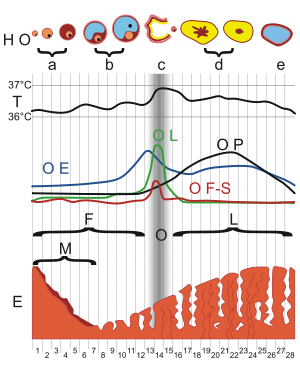
It all starts in your brain. Each month, the hypothalamus (a part of your brain) signals the pituitary gland to release special hormones called FSH (follicle-stimulating hormone) and LH (luteinizing hormone). FSH is like an alarm clock for your ovaries, waking up 15 to 20 immature follicles at the beginning of your menstrual cycle. These are called antral follicles.
But here’s the catch: only one follicle usually becomes dominant and releases a mature egg. The rest are lost. Women with more antral follicles (what doctors call “good ovarian reserve”) often respond better to IVF stimulation, but everyone’s body is different.
- FSH tells your follicles to grow.
- LH helps with final maturation and triggers ovulation.
- Once the dominant follicle matures, it releases more estrogen, causing a surge in LH and finally, ovulation.
- After ovulation, the empty follicle turns into the corpus luteum, which produces progesterone to prepare your uterus for a possible pregnancy.
So many women feel betrayed by their bodies when one egg grows and the rest vanish—IVF lets us give those lost eggs a fighting chance.
How Do IVF Medications Help?
In a standard IVF cycle, the goal is to help your ovaries mature several eggs at once by gently “rescuing” more follicles from your natural monthly selection. This is called controlled ovarian stimulation, and it’s done with carefully dosed FSH injections.
- FSH injections (with brand names like Menogon, Menopur, or Gonal F) encourage the growth of all recruitable follicles in that cycle, not just one.
- These eggs would have been lost anyway if not for the stimulation—IVF does not “use up” your reserves faster than nature would.
- Doctors monitor your progress with ultrasounds and hormone tests to adjust the dose and timing, preventing premature ovulation and maximizing mature egg retrieval.
Some people worry about which FSH brand is “best.” Scientific studies show all approved brands are equally effective—the real difference is cost, not results.
Why Do Some Women Respond Better Than Others?
Think of your ovary as an egg bank. Some women have a large bank balance (many eggs), others have less. How many eggs you produce during IVF depends on your "ovarian reserve," and this is influenced by both quantity and quality of your eggs.
- Younger women usually have better egg quality and higher reserves.
- Women with conditions like PCOD may have more follicles, but not always better quality.
- Older women or those with low ovarian reserve may not respond as strongly, even with higher medication doses.
To estimate your ovarian reserve and personalize your IVF plan, doctors may recommend:
- Blood test for FSH and estrogen on day 3 of your cycle
- Blood test for Anti-Mullerian Hormone (AMH) any time in the cycle
- Vaginal ultrasound to count antral follicles (usually day 2-5)
But the true test? How your body actually responds to IVF medications. Sometimes, only experience shows how many mature eggs can be retrieved.
Read more: Testing your ovarian reserve
How Does the Stimulation Protocol Work?
Controlled ovarian stimulation, or "superovulation," uses FSH injections to encourage more follicles to grow together. But there’s a twist: if estrogen rises too quickly, your body might trigger an LH surge too soon, causing you to ovulate before the eggs can be retrieved. To prevent this, doctors add medications called GnRH agonists or antagonists, which temporarily “quiet down” your natural hormone surges.
- FSH injections: stimulate follicle growth
- GnRH agonist or antagonist: prevent premature LH surge (and thus, premature ovulation)
- hCG trigger shot: mimics LH to finish maturing the eggs at just the right time
- Egg retrieval: scheduled about 36 hours after the hCG trigger, when eggs are mature
Your doctor will design a protocol that matches your unique ovarian reserve, age, and history. There is no single "magic" protocol for everyone, despite what some clinics claim with fancy names.
Some women are “hyper responders” (they produce lots of follicles even with low FSH), some are “normal responders,” and others are “poor responders” (they need high doses but still produce few eggs). Women with PCOD or very high antral follicle counts might produce many eggs, but must be monitored carefully for ovarian hyperstimulation syndrome (OHSS).
of women undergoing IVF produce a good number of eggs with standard stimulation protocols.
Read more: OHSS - Ovarian Hyperstimulation Syndrome
The Honest Truth about Different Stimulation Protocols
If you search online, you will find endless protocols with catchy acronyms. The reality: most protocols work similarly for women with normal or high ovarian reserve. The real challenge is for “poor responders,” where no special protocol has proven to dramatically increase egg numbers or success rates. If your “egg bank” is nearly empty, no amount or type of medication can force your ovaries to produce more.
A good protocol is one that is tailored to you, not one with the fanciest name or the highest cost.
Be wary of clinics selling hope with branded protocols. At Malpani Infertility Clinic, Dr. Malpani believes in transparency and guiding patients with honest, evidence-based advice. You deserve to know the options, the limitations, and the realistic chances—without the hype.
If you are confused about which protocol is best for you, or want a second opinion, you can always speak to our expert fertility advisor for clear, no-nonsense guidance.
Frequently Asked Questions
Q: Will IVF stimulation use up all my eggs?
A: No, IVF stimulation only matures the follicles available in that month’s cycle. You will not run out of eggs faster because of treatment.
Q: How do I know if I’m a good responder to IVF medication?
A: Tests like AMH, antral follicle count, and your age help predict response, but true results come only after an actual cycle.
Q: What side effects can I expect during ovarian stimulation?
A: Common effects include bloating, mild abdominal discomfort, breast tenderness, mood swings, and rarely, ovarian hyperstimulation syndrome (OHSS).
Q: Are expensive FSH brands better than cheaper ones?
A: All approved FSH brands are equally effective. Using a less expensive brand is wise and does not reduce your chances of success.
Q: What if I have a low ovarian reserve?
A: Low reserve means fewer eggs may be retrieved, but quality matters too. Your doctor will tailor a realistic protocol and discuss all options honestly.
Q: How many eggs should be retrieved for a good IVF outcome?
A: There is no exact number, but typically retrieving 8-15 mature eggs gives the best balance between success rates and safety.
Q: Can stimulation protocols be customized?
A: Absolutely. At Malpani Clinic, every protocol is adapted to your unique biology, history, and fertility goals.