
Can Ovarian Cysts Cause Infertility? Expert Guide & Tips

If you have been told you have ovarian cysts and are trying to get pregnant, you probably feel that jolt of anxiety every time you read something about fertility online. Maybe you wonder if this is the reason you are still waiting for your positive test. Maybe your mind races with "what ifs" after every ultrasound scan. You are not alone. So many women hear the words "ovarian cysts" and immediately fear for their future family. Let’s talk honestly about what cysts really mean for your chances to conceive, and what you can do to move forward with confidence.
What Are Ovarian Cysts? Are They Always a Problem?
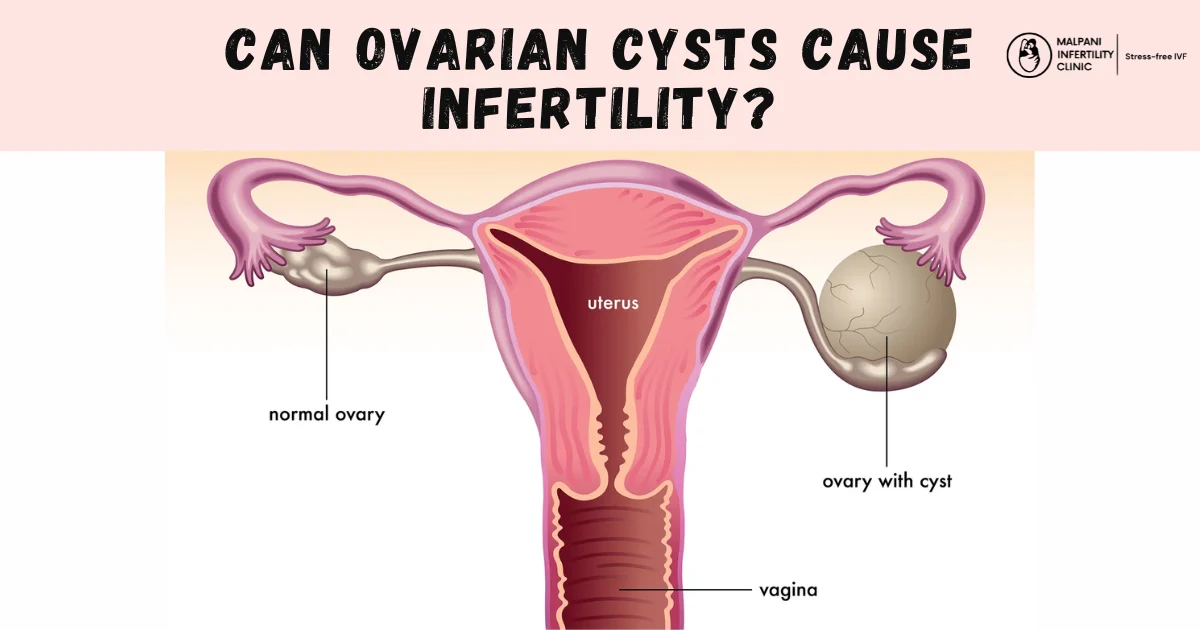
Imagine your ovaries as tiny, hard-working factories. Each month, they go through cycles where fluid-filled sacs—cysts—form, grow, and often disappear without you even knowing. Think of these as small water balloons that sometimes stick around a bit longer than usual. Most women will have at least one ovarian cyst at some point, usually with no symptoms at all.
These cysts can be as small as a pea or grow larger than a plum. The fluid inside might be clear and watery or thick and sticky. In most cases, these cysts are simply part of how your ovaries work. The real question is: which cysts are harmless, and which ones could get in the way of your dream to have a baby?
Types of Ovarian Cysts: When Should You Worry?
It is easy to panic when you hear "cyst," but not all cysts are created equal. In fact, most cysts are a sign that your ovaries are doing their job. Let’s break down what really matters for fertility:
-
Functional cysts: These are the most common and usually nothing to worry about. Two main types:
- Follicular cysts: Form when the egg does not release as it should. They usually vanish in a few weeks.
- Corpus luteum cysts: Happen after ovulation, when the follicle fills with fluid or blood. These are common in early pregnancy and often help support it.
- Dermoid cysts: Contain odd tissues like hair or skin. They sound strange, but are usually harmless unless they get very large.
- Cystadenomas: Filled with watery or thick mucus-like fluid. They rarely affect fertility unless they grow extremely large.
So, most cysts do not harm your fertility. But there are two troublemakers:
- Endometriomas (Chocolate cysts): Caused by endometriosis, these are filled with old, dark blood. Endometriomas can damage healthy ovarian tissue and eggs, and may create scarring that blocks the fallopian tubes or affects egg quality.
- PCOS-related cysts: If you have Polycystic Ovary Syndrome (PCOS), your ovaries develop many small cysts. The real issue is not the cysts, but the way PCOS can disrupt ovulation—meaning you may not release an egg at all some months.
Most ovarian cysts are harmless, but endometriomas and PCOS can make it harder to get pregnant if left untreated.
Will Ovarian Cysts Make Me Infertile?
Here is the honest truth: Most ovarian cysts will not stop you from having a baby. Small, functional cysts are actually a sign that your ovaries are working. Even most large cysts do not block pregnancy. What matters most is what is causing the cyst—and whether it affects ovulation or damages the ovary itself.
- Endometriosis can reduce egg reserve and cause scar tissue.
- PCOS can make ovulation irregular or absent.
- Very large cysts can sometimes physically interfere with the ovary’s function or twist (a rare emergency).
The most important thing is to know which type of cyst you have. If you have endometriomas or PCOS, you may need specific treatments to help you ovulate or preserve your egg quality.
Can I Get Pregnant with Ovarian Cysts?
Yes, you absolutely can. Many women with cysts get pregnant naturally, with or without treatment. Here are a few facts to calm your nerves:
- During pregnancy, most cysts are harmless and may even help support early pregnancy (for example, corpus luteum cysts).
- Small or simple cysts almost never interfere with conception.
- If you have endometriosis or PCOS, you may need treatments that help you ovulate regularly or address the underlying inflammation.
- Surgery to remove large cysts can be done carefully to protect your future fertility—when necessary.
Having a cyst does not automatically mean you cannot get pregnant. The key is understanding your diagnosis and making a plan.
Symptoms: When Should You Get Checked?
Most cysts are silent. You might only find out about them during a scan. But sometimes, cysts do cause symptoms. If you notice any of the following, it is important to talk to a doctor:
- Severe pelvic pain or sudden abdominal pain
- Pain during sex
- Irregular or very heavy periods
- Bloating, feeling full quickly, or a noticeable swelling in your lower belly
- Difficulty emptying your bladder
- Sudden pain with nausea and vomiting (this could mean the cyst has twisted—seek care immediately)
Just because you have symptoms does not mean your fertility is ruined, but these signs should never be ignored.
How Are Ovarian Cysts Diagnosed and Monitored?
Most cysts are found during an ultrasound scan. This scan shows the size, shape, and contents of the cyst—whether it is filled with clear fluid, blood, or solid tissue. For more complex cysts, blood tests may be done to check hormone levels or look for tumor markers if there is concern about cancer (which is rare in young women).
If your cyst is small and simple, doctors often recommend just keeping an eye on it with repeat ultrasounds. If it is larger, painful, or suspicious, more tests and sometimes surgery may be needed.
Treatment Choices: What Really Works?
Treatment depends on your age, symptoms, the type and size of cyst, and whether you are trying to get pregnant. There is no one-size-fits-all. Here is the real, no-nonsense breakdown:
- Wait and watch: Most small, simple cysts disappear on their own within a few months. No intervention needed.
-
Medications:
- Birth control pills: Can prevent new functional cysts from forming, but are not used if you are trying to conceive.
- Fertility medicines: If PCOS is disrupting ovulation, medicines like letrozole or clomiphene can help trigger egg release.
- Hormone therapy: Sometimes used for endometriosis, but not if you want to get pregnant right away.
-
Surgery:
- Needed only for large cysts (usually over 5 cm), persistent pain, or if there is suspicion of cancer.
- Modern laparoscopic surgery can usually remove the cyst while keeping the ovary—and your fertility—safe.
- After surgery, most women can start trying to conceive within 1-3 months, based on healing and their doctor’s advice.
Can Ovarian Cysts Affect Fertility Treatments Like IVF?
If you are planning treatments such as IVF, having a small cyst is rarely a reason to cancel or delay. In fact, many women start IVF with a cyst present, and skilled specialists can work around it. If a cyst is very large or filled with blood (such as an endometrioma), it may need to be drained or removed first.
At Malpani Infertility Clinic, patients are never rushed into surgery unless it is truly necessary. We focus on protecting ovarian reserve and maximizing your chances. Every decision is made with your future family in mind.
What Should You Remember? Real Talk for Real Patients
- Functional cysts are normal and rarely cause infertility.
- Endometriosis and PCOS can make it harder to conceive, but there are proven treatments that work.
- Large or persistent cysts might need removal, but modern surgical techniques usually keep your fertility safe.
- Early expert advice can make all the difference—do not wait and wonder alone.
of premenopausal women with ovarian cysts do not require surgery and can preserve their fertility naturally.
If you are facing confusing test results or are worried about what your cyst means for your future, you deserve honest answers. At Malpani Infertility Clinic, we see you and your struggle—not just your scans or reports. Whether you need advice, a second opinion, or a roadmap for your next steps, our team is here to empower you to make the best choices for YOUR body and YOUR family.
Frequently Asked Questions
Q: Can small ovarian cysts prevent me from getting pregnant?
A: No. Small functional cysts are part of normal ovarian cycles and usually resolve on their own. However, if you have multiple small cysts due to PCOS, your ovulation may be affected, which can make conception harder. Managing PCOS can restore your chances.
Q: Will removing an ovarian cyst hurt my fertility?
A: Most cyst removal procedures are designed to protect your fertility by removing only the cyst, not the ovary itself. However, any surgery carries some risk to the surrounding tissue. Always discuss the approach and risks with a fertility specialist if you are planning to conceive in the future.
Q: How long should I wait to try getting pregnant after cyst removal surgery?
A: Most doctors recommend waiting 1 to 3 months after laparoscopic cyst removal. This gives your ovary time to heal and function normally. Your individual case may vary, so follow your surgeon’s advice.
Q: Can ovarian cysts come back after treatment?
A: Yes, especially if you are prone to functional cysts, or if you have conditions like endometriosis or PCOS. Managing the underlying cause can help reduce how often cysts return. Regular follow-ups are important.
Q: Do I need to remove ovarian cysts before IVF treatment?
A: Not always. Simple or small cysts usually do not interfere with IVF. Large or complex cysts, especially endometriomas, may need treatment first. Your fertility specialist will create a plan based on your unique situation.