

Are You Facing the 2 Week Wait?
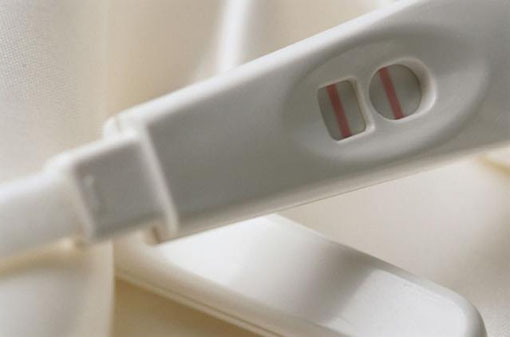
- The two week wait after IVF or embryo transfer is emotionally challenging and can feel isolating.
- Symptoms like cramps, sore breasts, or nausea during this time are usually caused by IVF hormones, not necessarily pregnancy.
- There is no reliable way to tell if you are pregnant during the two week wait based on symptoms alone.
- A pregnancy test is the only way to know for sure if IVF has been successful.
It feels like time has stopped. Every tiny ache, each flutter, every sensation in your body suddenly takes on new meaning. You might find yourself hyper-aware, searching for clues: Is this cramp a good sign? Why are my breasts sore? Does the lack of any symptoms mean it’s all over? If you’re living through the two week wait after IVF or embryo transfer, you’re not alone. For couples and individuals who have fought so hard to get here, sometimes for years, these 14 days can be the most emotionally exhausting and isolating part of the fertility journey.
Why the Two Week Wait Feels So Hard
The two week wait (often called the 2ww) is the period between your embryo transfer and the moment you can finally take a pregnancy test. It’s a stretch of time when all you can do is wait, hoping, worrying, and second-guessing every bodily signal. For some, every minute feels like an hour.
It’s completely normal to feel anxious, restless, or even resentful about how powerless you feel. You might want to distract yourself, but your mind keeps wandering back to that ultimate question: Am I pregnant?
The two week wait is often the hardest part because you’re stuck between hope and fear, with no control over the outcome.
Partners, family, and friends might try to help, sometimes asking how you feel every day. Their concern is well-meaning but can make the wait even more intense. And if you’re reading about other people’s symptoms online, it can be both comforting and terrifying, especially if your experience doesn’t match theirs.
Will My Symptoms Tell Me Anything?
It’s very common to start noticing (or imagining) every small change in your body:
- Feeling warmer than usual
- Tingling or sore breasts
- Nipple sensitivity
- Strange twinges or cramps in your pelvis
- Changes in vaginal discharge
- Frequent urination
- Nausea or bloating
But here’s the honest truth: Your body cannot give you a reliable sign during the two week wait to tell you if you’re pregnant or not. Some women feel absolutely nothing and find out they’re pregnant. Others have every symptom in the book and still get a negative test. The reason is simple. Most of the sensations you’re having are caused by the hormones you’re already taking as part of your IVF protocol, usually estrogen and progesterone.
Progesterone can make your body warmer, slow down your digestion (leading to constipation), cause water retention (which gives you sore breasts), and even create cramps or low back pain. Estrogen may bring on nausea or make you sensitive to smells. The overlap between these hormone-induced effects and PMS or early pregnancy symptoms is so strong that it’s simply impossible to tell the difference without a blood test.
If you want more details on symptoms after embryo transfer, you can read more on our blog.
Implantation Bleeding: What Does It Mean?
Some women notice a small amount of spotting around the time an embryo would implant into the uterine lining. This is sometimes called “implantation bleeding.” However, many women never experience any spotting at all, and still become pregnant. If you don’t see any blood, it means nothing negative about your outcome.
In fact, doctors still don’t fully understand why some women have this slight bleeding. The embryo is microscopic, it doesn’t “dig in” and cause visible damage. Most likely, the hormonal changes happening around implantation time trigger the spotting. If you do notice a little blood a few days after your embryo transfer, try not to panic. If the bleeding becomes heavy or increases, do reach out to your clinic for advice.
What If I Start Bleeding Before My Pregnancy Test?
Few things feel as frightening as seeing blood before your scheduled pregnancy test. The urge to stop your medicines or assume the worst is strong. Do not stop your medications without speaking to your doctor first, even if your bleeding is heavy. Sometimes, bleeding can occur in early pregnancy and does not always mean the cycle has failed. Your doctor may order a beta HCG blood test to check for pregnancy hormones and guide your next steps. For more on HCG and what it means, click here.
How Can You Survive the Two Week Wait?
This is a time when it’s easy to feel powerless, but there are things you can do to take care of yourself and protect your mental health:
- Stay busy. Make plans with supportive friends or your partner. Try a new hobby, watch your favorite series, or tackle a small home project.
- Lean on your support system. Whether it’s friends, family, or a fertility counselor, talking about your feelings can lift some of the weight.
- Protect your emotional space. If social media or certain conversations make you feel worse, it’s okay to take a break.
- Be kind to yourself. Allow yourself to feel whatever comes up, anger, hope, sadness, or even numbness. All of these are normal.
- Avoid over-Googling. Searching for symptoms or stories online can create more anxiety, not less.
And remember, you don’t have to go through this alone. At Malpani Infertility Clinic, we support you not just with medical expertise, but with honest guidance and compassion. If you’re worried, have questions, or just want to talk things through, our team is here for you.
What Happens Next?
When your two week wait ends, your clinic will ask you to take a blood pregnancy test. This is the only way to be sure of your result. Resist the urge to test early at home, especially if you’ve had an HCG injection, as this can linger in your system and cause confusing results. Some women see a faint positive and then a negative, which can be heartbreaking and misleading.
If your test is positive, you’ll be guided on next steps for early pregnancy care. If it’s negative, allow yourself to grieve or feel disappointed. Remember, your feelings are valid, and seeking support is a sign of strength, not weakness.
Frequently Asked Questions
Q: Can symptoms during the two week wait predict if I am pregnant?
A: No. Symptoms during the two week wait are mostly caused by the hormones used in IVF treatment. Both pregnant and non-pregnant women can experience similar symptoms, so they are not a reliable sign.
Q: Is it normal to have no symptoms at all?
A: Absolutely. Many women who have no symptoms during the two week wait go on to have a healthy pregnancy. Every body responds differently to hormones.
Q: What is implantation bleeding, and should I worry if I don’t have it?
A: Implantation bleeding is light spotting that sometimes occurs when the embryo attaches to the uterus. Most women do not experience it, and its absence does NOT mean the cycle has failed.
Q: What should I do if I start bleeding before my pregnancy test?
A: Do not stop your medications. Contact your doctor or clinic for advice and possible testing. Bleeding does not always mean the cycle has failed.
Q: Can I do anything to improve my chances during the two week wait?
A: Once your embryos are transferred, the outcome largely depends on factors beyond your control. Focus on self-care and emotional support rather than making drastic changes.
Q: When is the best time to take a pregnancy test after embryo transfer?
A: Your clinic will advise you, but a blood test about 9-16 days after transfer is the most reliable. Testing too soon can lead to false results.
Q: Can I exercise, have sex, or eat normally during the two week wait?
A: In most cases, gentle exercise and normal activities are safe, but always check with your doctor. Treat your body as if you are pregnant, avoid risky activities and follow your clinic’s advice.
You can also send your medical details for a free second opinion by filling in the form at https://www.drmalpani.com/free-second-opinion.
Need to reach us quickly? Our Whatsapp clinic mobile is +91 9867441589