
Blocked Fallopian Tube - HSG test | Is this test safe ?
Have you spent months or even years hoping for those two pink lines, only to be told that "everything looks fine" or that "more tests are needed"? If your doctor has mentioned a test called HSG or said your fallopian tubes might be blocked, you are not alone. The uncertainty, the worry about pain, the fear of what the results might mean for your dream of becoming a parent: every woman facing fertility struggles knows these feelings intimately. At Malpani Infertility Clinic, we see you, we understand you, and we believe you deserve every honest answer and every bit of support on this journey.
Why Test the Fallopian Tubes?
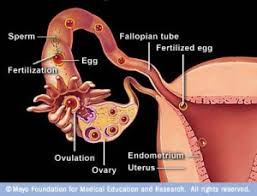
Fallopian tubes are the bridges between your ovaries and your uterus. Every month, this is where the egg meets the sperm. If either or both tubes are blocked, the egg and sperm never get a chance to meet: pregnancy becomes impossible in the natural way. The truth is, you cannot feel if your tubes are blocked. There are no obvious symptoms, no pain, no changes in your periods. This is why so many women spend years trying, not knowing the real reason behind their struggle.
What Exactly is an HSG Test?
HSG stands for Hysterosalpingogram. It sounds intimidating, but let us break it down. It's a special X-ray test that shows whether your fallopian tubes are open and if the inside of your uterus has a normal shape. Think of it as a "road map" that helps us see if there’s any blockage stopping your egg and sperm from meeting, or if there’s an issue with the uterus that could cause miscarriages.
- An HSG is usually done as an outpatient procedure. You come in, get the test, and go home the same day.
- The test is commonly scheduled after your period ends but before ovulation. This timing avoids disturbing a possible early pregnancy.
- It is a key part of the fertility evaluation, especially if you have been trying for more than a year without success, or if you have had several miscarriages.
How is an HSG Performed? What Should I Expect?
No sugarcoating: the idea of a "dye test" can be unsettling, especially if you have never had one before. Here is a simple, step-by-step explanation so you know exactly what will happen:
- You’ll be asked to lie down on an X-ray table in the radiology clinic.
- The doctor gently inserts a speculum (like during a Pap smear) to see your cervix.
- The cervix is cleaned. Then a small, soft plastic tube (catheter) is inserted through the cervix into your uterus.
- A clear, iodine-based dye is slowly injected. This dye is safe, and its journey is watched on a screen as it flows through your uterus and into the fallopian tubes.
- X-ray pictures are taken. Usually, at least three images are obtained, including one after you walk around for a few minutes to see if the dye has spilled freely into your pelvic cavity (a sign that the tubes are open).
Throughout the procedure, you might feel some cramping—similar to period pain or a heavy pressure. Some women describe it as uncomfortable but bearable. Taking a painkiller like ibuprofen beforehand can help minimize discomfort. If you’re especially anxious or sensitive to pain, let your doctor know so we can support you better.
Most women are surprised by how quickly the HSG is done, often in less than 15 minutes from start to finish.
What Information Does the HSG Give?
The HSG answers three crucial questions:
- Are the fallopian tubes open or blocked? If blocked, where and how severe is the blockage?
- Is the shape of the uterus normal? (Some women have a uterus shape that makes pregnancy difficult or increases miscarriage risk. Many of these can be treated.)
- Is there any scarring or other abnormality that might affect pregnancy?
If the dye flows freely through both tubes and spills out, you get the reassuring news that your tubes are open. If there is a blockage, the test will show exactly where it is—sometimes, the pressure from the dye can even help clear a minor blockage!
of women with repeated miscarriages have a uterus shape problem that HSG can detect.
You can see an example of an actual HSG image here. If you’re curious about how your doctor reads these images, check our detailed guide on HSG interpretation.
Is the HSG Safe? Will It Hurt?
Safety is a big concern for everyone. Here is what you need to know, without any false reassurances:
- Pain: Most women feel mild to moderate cramps during the dye injection. This usually lasts a few minutes, sometimes a bit longer. Taking a painkiller before and after helps. Very few women find the pain severe, but it’s honest to say that the test can be uncomfortable.
- Infection: The risk of infection is small, especially if you take the antibiotics your doctor prescribes. If you’ve had pelvic infections before, let your doctor know.
- Radiation: The amount of X-ray radiation is tiny—far less than a regular chest X-ray, and not enough to harm future pregnancies.
- Allergy: Iodine allergies are rare, but if you know you’re allergic to iodine or contrast dyes, tell the doctor beforehand so alternative dyes can be used.
After the test, expect some light spotting and watery discharge as the dye comes out. Use sanitary pads, not tampons, for the next day. Avoid sex for the next 24 hours to reduce any infection risk.
What Happens Next? Making Sense of Your Results
The emotional weight of waiting for results can be as heavy as the entire fertility journey itself. The HSG is sometimes called a "moment of truth," but remember: even if the result is not what you hoped, it gives you and your doctor a clear direction.
- If your tubes are open and your uterus is normal, you can rule out some of the most frustrating obstacles to pregnancy.
- If there is a blockage, the next step could be further evaluation (like laparoscopy) or considering treatments like IVF, depending on your wishes and overall situation.
- If there’s a uterine abnormality, many can be corrected with simple procedures.
Sometimes, even if a tube looks blocked, it may just be a temporary mucus plug—a repeat test or a different approach may show it is actually open. In rare cases, the dye itself opens a partially blocked tube, and pregnancy rates can even improve in the months after an HSG.
If you feel overwhelmed by your results or unsure about your next steps, remember: you do not have to face these decisions alone. At Malpani Infertility Clinic, Dr. Malpani and our team are always available to explain what your HSG means for you, answer your questions honestly, and help you choose a path that feels right for you.
Frequently Asked Questions
Q: How long does the HSG test take?
A: The entire HSG procedure usually takes less than 15 minutes. You can typically go home the same day and resume most normal activities shortly after.
Q: Is the HSG test painful?
A: Most women feel mild to moderate cramping during the dye injection, similar to period pain. Taking a painkiller beforehand helps reduce discomfort.
Q: Are there any risks with an HSG?
A: Serious risks are rare. Infection, allergic reaction, and heavy bleeding can occur in very few cases. Always tell your doctor if you have a history of allergies or pelvic infections.
Q: What should I do after the test?
A: Use a sanitary pad for light spotting or discharge, avoid sex for 24 hours, and watch for any signs of infection like fever or severe pain. Contact your doctor if you have concerns.
Q: What happens if my tubes are blocked?
A: Your doctor will discuss possible next steps, which may include further testing, surgical options, or considering IVF. Every decision should be personalized to your situation and wishes.