

ICSI Treatment – Improving your Chances of a Successful Pregnancy
You find yourself staring at another negative pregnancy test, your hope taking another blow. Maybe you have already tried IVF, but the fertilization just did not happen. Or perhaps your doctor has said the words "male factor infertility" after a sperm test, and the panic sets in. It is a quiet, isolating ache that every couple facing fertility struggles knows far too well. You start to wonder: are we running out of options? Is there anything that can really make a difference for us?
Understanding ICSI: Hope When Fertilization Fails
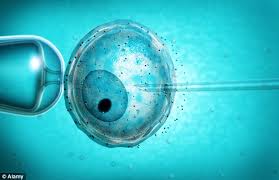
There is one advanced technique that has given thousands of couples new hope: ICSI (Intracytoplasmic Sperm Injection). The idea is simple, but the science behind it is remarkable. Instead of leaving fertilization to chance by mixing sperm and eggs in a dish, ICSI involves an embryologist selecting a single healthy sperm and injecting it directly into the center of the egg. This bypasses many of the barriers that can prevent fertilization, especially when sperm quality is an issue.
ICSI is generally recommended when:
- The male partner has a very low sperm count, or the sperm have poor movement (motility).
- There are issues with sperm shape or function.
- Previous IVF cycles have not led to fertilization.
- Very few eggs are retrieved, so every single egg counts.
- The couple chooses not to use donor sperm.
- The woman has a low ovarian reserve or the eggs are of lower quality.
If you have been told that your eggs did not fertilize during IVF, or the sperm count is low, ICSI can offer you a real chance at parenthood.
The ICSI Process: Step by Step
If you are considering ICSI, knowing what to expect can ease some anxiety. Here is how the treatment typically unfolds at Malpani Infertility Clinic:
- Egg Retrieval: The woman takes fertility medicines to stimulate the ovaries, helping several eggs mature. When ready, the eggs are gently collected in a brief procedure.
- Sperm Selection: The lab team prepares the sperm sample, sorting out the healthiest, most active sperm.
- Microinjection: Under a special microscope, a skilled embryologist uses a fine glass needle to hold an egg steady and inject a single sperm right into its center.
- Fertilization Check: After about 24 hours, the eggs are checked to see how many have fertilized successfully.
- Embryo Development: The fertilized eggs (embryos) are carefully monitored and, after a few days, the best embryos are selected for transfer to the uterus.
This close attention to every step is why choosing an experienced clinic is so important. At Malpani Infertility Clinic, our embryology team uses state-of-the-art equipment to give every egg and sperm their best shot at success.
Who Should Consider ICSI?
ICSI is not just for one type of couple. Here are the most common situations where it can help:
- Male Factor Infertility: Low sperm numbers, poor motility, or abnormal shape can make natural or even standard IVF fertilization unlikely. ICSI overcomes these barriers.
- Failed Fertilization in Past IVF: If you have already tried IVF but none or very few eggs fertilized, ICSI is the logical next step.
- Unexplained Infertility: Sometimes, all test results look normal, but fertilization still does not happen. ICSI can help uncover hidden issues.
- Limited Eggs: If only a few eggs are retrieved, you want to maximize the chance that each one fertilizes.
- Vasectomy Reversal: Men who have had a vasectomy reversal may have sperm antibodies that make fertilization difficult. ICSI helps bypass this problem.
Every couple's situation is unique. That is why at Malpani Infertility Clinic, Dr. Malpani personally reviews your full medical history before recommending ICSI. No cookie-cutter solutions, just honest advice.
How Well Does ICSI Work? The Honest Facts
When you are facing fertility treatments, numbers matter. You want to know your real chances. With ICSI, fertilization success rates are impressive:
of eggs injected with sperm using ICSI will fertilize successfully in a well-equipped lab.
But here is what nobody tells you up front: while ICSI greatly improves fertilization rates, it does not guarantee a baby. The final outcome depends on several factors:
- Age of the woman: Younger eggs have a higher chance of becoming healthy embryos.
- Egg and sperm quality: Even with ICSI, poor egg or sperm health can affect embryo development.
- Lab quality and embryologist skill: This is critical. A highly skilled team and advanced technology make a real difference.
- Embryo transfer expertise: The final step—placing embryos into the uterus—requires careful, gentle technique.
At Malpani Infertility Clinic, we do not sugarcoat the numbers. We are upfront about your situation, and we work with you to improve every factor within our control. For couples who have struggled with failed IVF cycles or whose sperm test results are worrying, ICSI has brought success when nothing else did.
Risks and Realities: What You Need to Know
No fertility treatment is completely risk-free, and you deserve the truth. With ICSI, the main risks include:
- Egg Damage: Sometimes, the process of injecting sperm can damage the egg. This happens in less than 5 percent of cases.
- Chromosomal Abnormalities: There is a slightly increased risk (around 0.8 percent) of certain sex chromosome issues in babies conceived through ICSI, though these are still rare. Most studies do not show increased rates of birth defects, but it is important to discuss this with your doctor.
- Fertilization Failure: While uncommon, sometimes none of the eggs fertilize even with ICSI. This can happen if the eggs or sperm are severely compromised.
We believe in sharing these realities so you can make clear, confident decisions for your family. Dr. Malpani will walk you through the pros and cons, every step of the way.
Making the Most of Your ICSI Cycle
While the lab handles the technical side, there are things you and your partner can do to stack the odds in your favor:
- Eat a balanced, nutrient-rich diet to nourish egg and sperm health.
- Maintain a healthy weight and get regular (not strenuous) exercise.
- Limit caffeine, avoid smoking and alcohol, and get enough sleep.
- Take recommended supplements like folic acid and vitamin D, as advised by your doctor.
- Minimize stress and support each other emotionally—this journey is tough, but you are in it together.
Sometimes, even small changes can help your body respond better to treatment. Our team is here not just to perform procedures, but to help you make lifestyle choices that may improve outcomes.
Curious about real experiences? Read a Success Story of IVF with ICSI at Dr Malpani's Infertility Clinic.
For more practical tips, see our detailed guide: How To Ensure IVF with ICSI Success Rates.
Frequently Asked Questions
Q: What exactly is ICSI and how is it different from standard IVF?
A: ICSI stands for Intracytoplasmic Sperm Injection. Unlike standard IVF, where sperm and eggs are mixed and fertilization happens naturally, ICSI involves injecting a single sperm directly into an egg under a microscope. This can help couples overcome severe sperm problems or past fertilization failures.
Q: Who should consider ICSI?
A: Couples with low sperm count, poor sperm movement, previous failed IVF cycles, few retrieved eggs, or unexplained infertility may benefit most from ICSI. It is also advised if you want to maximize the chance that each egg fertilizes.
Q: What are the chances of success with ICSI?
A: On average, 75-80 percent of mature eggs injected with sperm using ICSI will fertilize. However, the actual chance of pregnancy depends on factors like the woman's age, egg and sperm quality, and the skill of the clinic performing the treatment.
Q: Are there any extra risks with ICSI?
A: ICSI is generally safe, but there is a small risk of egg damage during injection and a slightly higher chance of certain chromosomal issues. Most babies born after ICSI are healthy. Your doctor will discuss any concerns with you before starting treatment.
Q: Will all my eggs be injected during ICSI?
A: Only mature eggs can be injected. Immature eggs are not suitable for ICSI, but your embryologist will assess and handle each egg carefully.
Q: Can ICSI help if there are no known sperm problems?
A: Yes, sometimes ICSI is used even when sperm tests are normal, especially if previous IVF cycles have failed or if you want to do everything possible to ensure fertilization.
Q: Should I do anything special to prepare for ICSI?
A: Healthy lifestyle habits, including a balanced diet, regular exercise, avoiding smoking and alcohol, and taking doctor-recommended supplements, can help improve your chances.