
How to Handle IVF Injections Comfortably

If you have ever found yourself staring at a box of IVF medications and syringes, feeling a wave of dread about the days ahead, you are not alone. The thought of giving yourself daily injections can feel overwhelming, even for the bravest among us. Maybe you are worried about managing the pain, doing something wrong, or simply the idea of needles is enough to make your hands shake. These feelings are entirely normal. At Malpani Infertility Clinic, we see these fears and anxieties every day, and we want you to know: you are not weak or alone, and you can absolutely do this.
Why IVF Injections Feel So Daunting
IVF treatment is never just about the science or the medications. It is as much about courage, daily resilience, and small acts of bravery as it is about protocols and hormones. The truth is, most people are not comfortable with injections in the first place, let alone giving themselves multiple shots over several weeks. Add to that the pressure to get everything "just right," and even the most practical person can feel rattled.
Even the strongest couples can feel vulnerable when facing a row of medication vials and syringes for the first time.
But here is what nobody tells you: learning to manage these injections is not just about tolerating discomfort. It is about taking back a sense of control, and letting yourself and your partner become active participants in your care. If you find the idea of self-injecting too much, ask your partner to help — many couples discover that sharing this responsibility can be a surprisingly bonding experience. After all, no one will give those shots with more love and care than your partner (and if he messes up, he will definitely hear about it!).
Types of IVF Injections: What You Need to Know
When you start IVF, you will hear about two main types of injections:
- Intramuscular (IM): Injected deep into the muscle, usually the upper outer buttock or thigh.
- Subcutaneous (SC): Injected just under the skin, typically in the lower abdomen.
Common medications include:
- Lupron (Buserelin): Usually given subcutaneously.
- Menogon (HMG): Typically given intramuscularly.
Some women practice by injecting an orange — it sounds silly, but it really helps build confidence. Or, if you prefer, ask a nurse to walk you through your first shot and confirm you are doing it right.
Preparing for Your IVF Shots: Step-by-Step
Setting up a calm, organized environment can make a world of difference. Choose a clean, quiet spot where you will not be disturbed — your bathroom or kitchen counter is ideal. Lay out all your supplies and wash your hands thoroughly. Here is a quick checklist:
- Your medications (check which ones need refrigeration and which can be kept at room temperature)
- Syringes and needles (bigger ones for mixing, smaller for injecting)
- Alcohol swabs
- A sharps container or a sturdy, sealable plastic bottle for used needles
- A small notebook or phone to track your injections and dosages
Keep your supplies organized and set phone alarms for your injection times, so you do not miss a dose — consistency matters. Many couples find comfort in creating a little ritual: playing gentle music, watching a favorite show, or simply taking a few deep breaths before starting.
How to Give an Intramuscular (IM) Injection
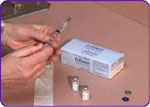
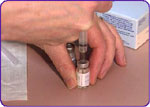
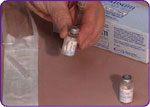
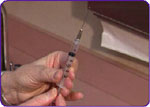
IM injections go deep into the muscle, usually in the upper outer buttock or thigh. Here is the process, broken down so it feels less intimidating:
 |
 |
 |
| Step 1 | Step 2 | |
 |
 |
|
| Step 3 | Step 4 | |
 |
 |
|
| Step 5 | Step 6 |
If your medication comes in a rubber-stoppered ampoule, use a 20 gauge needle to draw up the solvent. Pierce the rubber stopper, pull out the solvent, and inject it into the vial with the powder. The powder dissolves instantly, turning clear. Keep the solvent volume low to reduce pain during the shot. If you are using glass vials, break off the tops and follow the same procedure — open all the vials first to make things easier.

Once your medication is loaded, switch to a finer 23 gauge needle for injecting.


- Lie down or stand with your weight off the side being injected. Locate the upper outer quadrant of your buttock (this is the safest spot) or the middle of your outer thigh.
- Pinch the muscle between your thumb and forefinger, clean the area with an alcohol swab, and let it dry.


- Insert the needle straight into the muscle, all the way in. Do not leave any of the needle outside.
- Pull back the plunger gently. If blood appears (very rare), remove the needle, switch to a new sterile one, and try again.

- Slowly push the plunger to inject the medication, then quickly pull the needle out.
- Alternate injection sides each time to avoid soreness.

- Apply pressure and gently massage the area for thirty seconds. Ice before or after can help numb discomfort, but never reuse needles or syringes.

- Dispose of the syringe safely in a sharps container or a strong, sealed plastic bottle.
How to Give a Subcutaneous (SC) Injection
Subcutaneous injections are a bit less intimidating — they go just under the skin, usually in your lower abdomen. You will typically use a thinner needle (like those on insulin syringes).

Draw up the medication as instructed. Once ready, switch to a fine 25 gauge needle.

- Pick a spot at least two inches away from your navel. Rotate sites to minimize tenderness.
- Wash your hands well and clean the area with an alcohol swab. Let dry for at least a minute.
- Remove the needle cover and pinch the skin firmly.

- Hold the needle like a pencil, quickly and confidently insert it straight in.
- Let go of the skin fold, press the plunger all the way down, and withdraw the needle.

Never reuse your needles or syringes — always dispose of them in a safe container.
If you want a visual guide, you can watch excellent instructional videos here:
- Freedom MedTEACH: Videos on preparing and administering your IVF medications
Tips for Reducing Discomfort and Making It Manageable
- Use an ice cube to numb the skin before the shot, or apply a heating pad to relax muscles (especially for IM injections).
- Alternate injection sites to avoid sore patches.
- Massage gently after each injection to help the medication absorb and ease aches.
- Set up reminders and track your schedule — this minimizes last-minute stress.
- Let your partner help if you need support; teamwork can make the process feel less lonely.
- Take care of yourself: plan easy meals, allow yourself breaks, and do not hesitate to say no to unnecessary social commitments.
Managing IVF injections is about more than just getting through the pain. It is about building daily confidence in your body and your strength.
You Are Not Alone on This Journey
IVF is hard. The injections can feel like a daily hurdle, but every shot brings you one step closer to your dream. At Malpani Infertility Clinic, we believe in empowering you with honest, practical guidance — no sugarcoating, no myths. If you are struggling or just want to talk through your concerns, you can always reach out to us. Sometimes, a detailed walkthrough or a supportive conversation with a fertility expert can make all the difference.
Looking for more details? Read this next: Are IVF injections painful?
Frequently Asked Questions
Q: Are IVF injections really painful?
A: Most patients describe IVF injections as uncomfortable rather than truly painful, especially once they get used to the process. Using ice, relaxing muscles, and having a calm setup can make them much easier.
Q: Can I give myself all the IVF injections at home?
A: Yes, most IVF injections are designed for self-administration. Your clinic will teach you the right technique, and you can always ask for help if you are unsure.
Q: What if I am too scared to do the injections myself?
A: Many patients have their partner give the injections, or ask a nurse for support. You are not expected to do this alone if you do not want to.
Q: How do I make sure I am injecting in the right place?
A: Your nurse or doctor will show you the correct spots, often marking them for you the first time. Rotating sites helps prevent soreness and bruising.
Q: What should I do if I make a mistake with my injection?
A: Do not panic. Most errors are minor and can be corrected easily. If you are unsure, contact your clinic for advice right away.
Q: Are there resources or videos to help me learn how to give injections?
A: Yes, you can find helpful instructional videos at Freedom MedTEACH and your clinic may also offer in-person demonstrations.