
Luteinizing Hormone Test (LH Test): Purpose & Results

Maybe you have been trying for months to have a baby, but every test and every cycle brings more questions than answers. The word “hormones” gets thrown around, and suddenly, your doctor suggests a Luteinizing Hormone (LH) test. You might be thinking: “Why is this number so important? What does it really say about my chances?” If you are feeling anxious, lost, or worried about what your LH results mean for your fertility, you are not alone. Every day at Malpani Infertility Clinic, we meet women and men who face these exact fears—and we know how much clarity and support can help you breathe a little easier.
What Is Luteinizing Hormone (LH) and Why Does It Matter?
LH is one of your body’s key “messenger” hormones, produced by the pituitary gland nestled at the base of your brain. It doesn’t work alone: LH partners with Follicle-Stimulating Hormone (FSH) to keep your reproductive system healthy and balanced. But what makes LH so special in the world of fertility?
- For women: LH is crucial for the menstrual cycle. Each month, a sudden surge in LH triggers ovulation—the release of an egg from the ovary. This “LH surge” is exactly what ovulation predictor kits (the ones you buy at the pharmacy) are designed to detect.
- For men: LH tells the testicles to produce testosterone, which is essential for making healthy sperm.
When something goes wrong—like irregular periods, trouble ovulating, or low sperm counts—checking LH levels can shed light on what’s happening beneath the surface. Sometimes, the answer lies in a simple number.
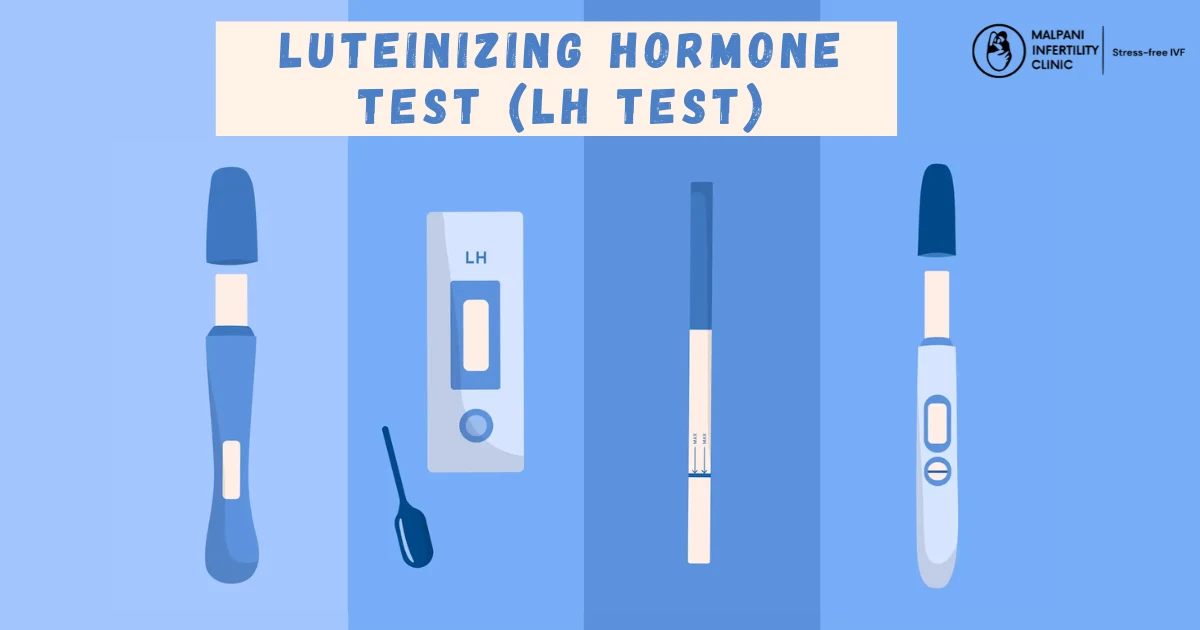
Who Needs an LH Test and What Happens During It?
If you’ve been struggling to conceive or are experiencing unexplained changes in your cycles or sexual health, your doctor might suggest an LH test. Here’s when it’s commonly used:
- Women: Trouble conceiving, irregular or missing periods, checking ovulation timing, or suspected menopause before age 40.
- Men: Difficulty fathering a child, low libido, loss of muscle mass, or low sperm count.
- Both sexes: If there’s a suspicion of problems with the pituitary gland (which controls LH production) or the hypothalamus (which controls the pituitary).
The test itself is simple: usually a blood sample taken from your arm (sometimes urine, especially for home ovulation kits). For women, the timing matters. If your doctor is checking your baseline hormone levels, they may ask for the test on day 3 of your period. And if you’re tracking ovulation, you may test daily around the middle of your cycle.
Sometimes, you might be told to pause certain medications—like birth control or hormone treatments—before the test. It’s always best to be open with your doctor about what you’re taking so you get results that truly reflect your body’s natural signals.
Making Sense of Your LH Results: What Do the Numbers Actually Mean?
Seeing your LH number on paper can feel overwhelming, but context is everything. Your age, sex, what part of your menstrual cycle you’re in (if you’re a woman), and even your stress levels all play a role. That’s why at Malpani Infertility Clinic, we always interpret LH results alongside other hormone tests like FSH and estradiol, and most importantly, your personal medical story.
| Time Frame | LH Level (mIU/mL) |
|---|---|
| Beginning of cycle | 1.9 – 14.6 |
| Around ovulation | 6.5 – 118.0 |
| After ovulation | 0.7 – 12.9 |
| After menopause | 5.3 – 65.4 |
| Men | 1.8 – 8.6 IU/L or 1.42 – 15.4 IU/L |
These ranges are not strict “pass/fail” numbers. They are a guide, and your doctor will help you interpret what’s normal for you.
High LH, Low LH: What Do These Results Mean for You?
Here’s what your results might suggest—and why it’s not always straightforward:
When LH Is High
- In women:
- PCOS (Polycystic Ovary Syndrome): Many women with PCOS have a higher LH to FSH ratio. This can disrupt ovulation and make getting pregnant more difficult.
- Ovarian failure or premature menopause: When the ovaries stop working early, your brain ramps up LH hoping to “wake them up.”
- Natural menopause: As estrogen and progesterone levels drop, LH increases as the body tries to compensate.
- Genetic conditions: Turner Syndrome is a classic example—where the ovaries do not develop properly, leading to high LH and FSH.
- In men:
- Testicular problems, whether from injury, infection, or genetic conditions like Klinefelter syndrome, can cause the body to produce more LH as it tries to boost testosterone and sperm production.
When LH Is Low
- In women: Low LH with missed periods may point to problems in the brain (hypothalamus or pituitary), such as hypothalamic amenorrhea. This is sometimes triggered by too much stress, intense exercise, or rapid weight loss. It can also be seen in hypogonadotropic hypogonadism.
- In both men and women: Low LH may be due to rare genetic problems, tumors in the brain, or effects of radiation/chemotherapy.
Many times, your LH is only one piece of the puzzle. A single abnormal result does not mean you are “infertile” or that you have no options left.
of women with PCOS have an elevated LH to FSH ratio, but with expert guidance, many still conceive naturally or with minimal treatment.
What Should You Do Next? Practical Guidance for Patients
It is easy to fall into the trap of obsessing over numbers and reference ranges. But remember: tests are just tools. They do not define your worth, your future, or your ability to become a parent.
- Talk to a fertility expert who can explain what your LH means in the context of your symptoms, medical history, and other test results.
- Do not panic if you see an abnormal result. Sometimes, a one-off reading can be affected by stress, illness, or even a poorly timed sample.
- Ask about your next steps. At Malpani Infertility Clinic, we believe in helping you understand your options—whether that means more testing, lifestyle changes, or starting a treatment protocol that is right for you.
If you are struggling to make sense of your LH results, or you feel like no one is giving you straight answers, you deserve better. At our clinic, Dr. Malpani and the team focus on honest, clear advice—no jargon, no sugarcoating. We are here to help you make informed decisions, not to push unnecessary treatments.
Frequently Asked Questions
Q: When is the best time to test LH levels?
A: For women, LH is typically checked on day 3 of the menstrual cycle for baseline evaluation, or daily mid-cycle if tracking ovulation. Men can test any time as LH levels are usually steady.
Q: Can medications affect my LH test results?
A: Yes. Birth control pills, hormone therapy, and some fertility drugs can change your LH levels. Always inform your doctor about any medications or supplements you are taking before testing.
Q: What’s the difference between blood and urine LH tests?
A: Blood LH tests are precise and used for diagnosis, while urine LH tests (like ovulation kits) detect the LH surge at home to help time intercourse for conception. Urine kits are convenient but less exact than lab blood tests.
Q: Can stress or lifestyle impact LH levels?
A: Absolutely. Chronic stress, intense exercise, significant weight changes, or poor nutrition can all disrupt LH production and cause irregularities.
Q: Is it normal for LH levels to fluctuate?
A: Some variation is expected, especially in women, because LH naturally rises and falls with your cycle. Factors like stress, illness, or approaching menopause can cause extra fluctuations.
Q: Can I improve my LH levels naturally?
A: Sometimes. Maintaining a healthy weight, managing stress, eating well, and sleeping enough all support hormone balance. However, some underlying conditions require medical treatment.
Q: What happens if my LH levels stay abnormal?
A: Your doctor will look for the reason. Depending on the cause, you might need hormone therapy, lifestyle adjustments, or specific treatment for conditions like PCOS or pituitary problems. The goal is always to address the root issue.