

Sloppy reporting by the Comptroller and Auditor General of India on Feticide
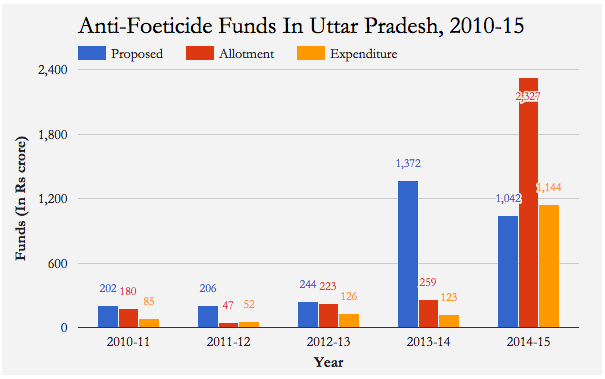
If you have ever felt angry or helpless reading news about India’s skewed child sex ratio, or wondered why despite all the noise about “saving daughters”, the problem of female feticide and sex-selective abortion seems to persist, you are not alone. For many couples struggling with fertility, the conversation around reproductive rights and the value of every child—regardless of gender—feels deeply personal. You want to grow your family, you want every pregnancy to be celebrated, and yet, the system often feels stacked against women, doctors, and sometimes even the truth itself.
Understanding the Real Story Behind Female Feticide
Let us be honest: the word “feticide” is loaded, carrying with it years of emotion, pain, and controversy. In India, any woman who has chosen to terminate a pregnancy—no matter the reason—has technically committed feticide. But here is what almost nobody says out loud: reproductive autonomy is a fundamental right in our country. Every woman deserves the power to decide what happens to her own body, and the law supports this.
The trouble begins when this right is misused, and even more so when authorities responsible for upholding the law start distorting facts. The Comptroller and Auditor General (CAG) of India, an institution built on values like objectivity and transparency, has sometimes released reports that confuse the real issues. Instead of shining light, these reports can cast long shadows—blaming doctors for paperwork errors while missing the bigger picture. For families and patients, this can make an already confusing landscape even more daunting.
The Numbers Behind India’s Skewed Sex Ratio
Let’s talk about facts. According to government data, India’s sex ratio at birth—the number of girls born alive for every 1,000 boys—has dropped alarmingly over the decades. In 1949, it was 946 girls per 1,000 boys. By 2014, it had fallen to just 887. In some states, nearly half of all sonography clinics were never even inspected, raising questions about how well our laws are enforced.
of funds under the Beti Bachao, Beti Padhao scheme were spent on publicity, not direct support for girls or effective monitoring.
Despite new laws and campaigns, the numbers have not bounced back. Why? Because the problem is much deeper than paperwork, inspections, or media campaigns. It is rooted in social attitudes, cultural pressures, and the systems that claim to protect us but often end up punishing the wrong people.
Many good doctors are hounded for minor clerical errors, when the true culprits of illegal sex selection remain untouched.
When the System Gets It Wrong: Who Pays the Price?
For couples hoping to become parents, these policies and reports are not just news items—they create real fear. You might worry: will my doctor get in trouble? Will my records be used against me? Will I be judged or even harassed for seeking help? The truth is, while the Pre-Conception and Pre-Natal Diagnostic Techniques (PCPNDT) Act was meant to stop gender-biased sex selection, heavy-handed enforcement often targets paperwork rather than real violations. This leaves both honest doctors and patients caught in the crossfire.
At Malpani Infertility Clinic, we have seen first-hand how these misunderstandings can hurt the very families the laws were meant to help. Patients ask us, “Are we safe here? Is IVF or ultrasound legal? Will we be accused of something we did not do?” The answer is yes, you are safe. We follow all laws strictly, respect your privacy, and believe that education—not fear—is the answer.
The focus should be on empowering women and couples with the truth—not policing them with suspicion. Every couple deserves to make informed decisions about their fertility, without being weighed down by stigma or the threat of unfair scrutiny.
What Does Real Support Look Like?
Instead of spending money on flashy campaigns or punishing doctors for missing a signature, what if we focused on:
- Providing honest, judgment-free counselling for couples and women facing difficult pregnancy decisions.
- Ensuring every clinic follows the law, but also feels safe for patients who simply want to become parents.
- Educating communities about the value of every child, not just sons.
- Investing in support systems for girls and their families, rather than just slogans.
At Malpani Infertility Clinic, we believe in a patient-first approach. We are not afraid to challenge the system when it gets it wrong, and we are here to support you with accurate information, ethical care, and a listening ear. Our goal is simple: help you make the best decisions for your family, with the facts in your hands and your dignity intact. If you need clarity or want to discuss your specific situation, you can speak to us directly here.
Why Open Conversations Matter
Too often, the conversation around female feticide becomes a battle of blame—between patients, doctors, activists, and the government. But the only way to truly move forward is through honest, open dialogue. That means asking questions, challenging bad reporting, and refusing to accept easy answers. It means remembering that every pregnancy is unique, every family has a story, and every child—regardless of gender—is precious.
If you are worried about how laws or reports might affect your fertility care, or if you simply want advice on how to plan your next steps, do not hesitate to ask. At Malpani Infertility Clinic, we believe in sharing what others are afraid to say, because you deserve the truth.
Frequently Asked Questions
Q: Is it legal to terminate a pregnancy in India?
A: Yes, abortion is legal in India under certain conditions, and every woman has the right to make this decision for herself. However, sex-selective abortion is illegal and strictly regulated under the PCPNDT Act.
Q: Why do honest doctors get punished under the PCPNDT Act?
A: Sometimes, enforcement focuses on paperwork errors rather than actual illegal acts. This can lead to doctors facing penalties for missing forms or signatures, even when no sex determination was done.
Q: What is the real cause behind India’s declining sex ratio?
A: The problem is complex and rooted in social attitudes, dowry, and cultural preference for sons, not just medical technology or clinics.
Q: How can I be sure my clinic is following the law?
A: Choose clinics that are transparent about their protocols and always willing to explain how they maintain compliance. At Malpani Infertility Clinic, you can ask us about any procedure or paperwork at any time.
Q: Where can I get help or advice about my fertility journey?
A: You can reach out to our expert fertility advisors at Malpani Infertility Clinic for honest, practical guidance on anything from treatment options to understanding legal questions. Start a conversation here.