

What Can You Expect During Early IVF Pregnancy?
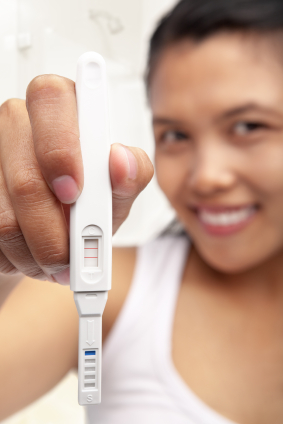
Does your heart race as you wait for the results after your IVF cycle? Do you find yourself caught between hope and worry, searching for signs that you are finally pregnant? If you have just completed an IVF cycle, you are not alone in feeling overwhelmed by the two-week wait, or by the questions that come with the early days of IVF pregnancy. For every couple who has poured their energy, time, and resources into IVF, these first days after a positive test are both a victory and a new source of anxiety. You may be asking: what now? What can I expect, and what should I do to protect this precious pregnancy?
Riding the Emotional Rollercoaster After IVF
Let’s be honest. The moment you see a positive pregnancy test, it is almost impossible to just relax. Joy, disbelief, fear, and hope all swirl together. If you have been through failed cycles before, it can be even harder to trust that this time will be different. Many patients at Malpani Infertility Clinic tell us that after so much disappointment, even good news feels fragile. This is a time when celebrations are often mixed with caution.
It is entirely normal to feel:
- Excited and relieved that you are finally pregnant
- Worried about whether the pregnancy will continue
- Afraid to get your hopes up
- Hyper-aware of every twinge or symptom
Every emotion you feel right now is valid. IVF pregnancy is precious, but it is also emotionally exhausting.
Sharing your feelings with your partner, trusted friends, or your doctor can help. At Malpani Infertility Clinic, we encourage open conversations, because bottling up stress only makes the journey harder.
For a real, heartfelt perspective, you can read My Early IVF Pregnancy – Inner Musings.
Your First Weeks: What Actually Happens?
In the early days after your IVF cycle, your body is adjusting in ways you may notice – or may not notice at all. Here’s what you can expect:
- Spotting or Light Bleeding: This can be normal, and is sometimes a sign of implantation. However, it can also simply be due to hormonal medications.
- Mild cramping or pelvic discomfort: This is common, and can be caused by both early pregnancy and by the fertility medications you are still taking.
- Fatigue and breast tenderness: These are classic early pregnancy signs, but can also be caused by progesterone support.
- Increase in vaginal discharge: As your hormones adjust, you may notice changes. This is generally nothing to worry about, unless it is associated with itching, burning, or a foul smell.
- No symptoms at all: Believe it or not, many women have no symptoms in the first weeks after IVF. This does NOT mean anything is wrong.
During this period, your clinic will likely ask you to continue certain medications and to come in for blood tests and scans to confirm that things are progressing as expected.
Understanding Medications and Early Monitoring
After a positive pregnancy test, your doctor will guide you on which medications to continue. Most IVF pregnancies require continued support with progesterone – often given as vaginal suppositories or, less commonly, as injections. These help maintain the uterine lining and support the pregnancy, especially while your body transitions from relying on external hormones to producing its own.
If injections are uncomfortable, ask about switching to suppositories. At Malpani Infertility Clinic, we tailor protocols to each patient’s needs, and we believe in explaining the 'why' behind every medication.
You will also be scheduled for blood tests, usually to check:
- hCG levels: This hormone confirms and monitors the growth of your pregnancy.
- Estrogen and progesterone levels: These help doctors ensure your body is supporting the pregnancy well.
If you had many eggs retrieved or felt very bloated after the cycle, your doctor will also check for OHSS (Ovarian Hyperstimulation Syndrome), a condition that can sometimes cause complications in early pregnancy.
Early ultrasounds are done to check for the gestational sac and, around 6 to 7 weeks, to try and see the fetal heartbeat. Seeing that tiny flicker on the screen is often the first moment many IVF parents allow themselves real hope.
The Two-Week Wait: How to Cope
The hardest part for most couples is the infamous two-week wait – the stretch between embryo transfer and the first blood test, and then between a positive test and the first ultrasound. It can feel endless.
Here are a few simple tips:
- Stick to your medication schedule, but do not obsess over each dose.
- Eat a balanced diet and stay hydrated.
- Avoid heavy exercise and sexual intercourse for now, as recommended by your doctor.
- Distract yourself with activities you enjoy – a good book, music, or gentle walks.
- Remember that every symptom, or lack of symptoms, is common.
If you feel overwhelmed, reach out. The team at Malpani Infertility Clinic is always available to answer questions or just listen. We believe that emotional support is as crucial as medical care in these early days.
What Happens Next?
If your blood tests show healthy rising hCG levels and your scan confirms a heartbeat, congratulations – you are officially pregnant. Most IVF pregnancies are closely monitored until about 8 to 10 weeks, after which you may be referred to your obstetrician for regular prenatal care. The risk of miscarriage drops significantly after the first trimester, and your pregnancy will be managed much like any other.
of pregnancies that reach the stage of a detected fetal heartbeat continue successfully after IVF.
But even if you do not see the signs you hoped for, or if the journey takes another unexpected turn, please know that you are not alone. Many couples require more than one attempt, and every IVF journey is unique. At Malpani Infertility Clinic, we are here to help you understand your options and guide you with honest, no-nonsense advice for whatever comes next.
If you want to read more about OHSS and how it might affect your early IVF pregnancy, see our detailed article: OHSS - Ovarian Hyperstimulation Syndrome.
Your IVF pregnancy is precious, and you deserve clear, supportive guidance. If you feel your current clinic is not giving you enough attention or information, or if you just need an experienced ear, Malpani Infertility Clinic is here to help. You can request a free second opinion at any time.
Frequently Asked Questions
Q: Is IVF pregnancy different from a natural pregnancy in the early weeks?
A: In most ways, early IVF pregnancies are similar to natural ones. The main difference is closer monitoring and ongoing medication support. Symptoms can be the same for both.
Q: What symptoms should I expect after a positive IVF test?
A: Mild cramping, spotting, breast tenderness, fatigue, and sometimes increased discharge are common. Some women have no symptoms at all. Severe pain or heavy bleeding should prompt a call to your doctor.
Q: When will I see my baby's heartbeat after IVF?
A: A fetal heartbeat is typically visible on ultrasound around 6 to 7 weeks after your embryo transfer.
Q: Do I need to continue taking medicines after a positive pregnancy test?
A: Yes, most women need to continue progesterone support and sometimes other medications until their doctor confirms the pregnancy is stable enough for your body to take over hormone production.
Q: Can I exercise or have sex in early IVF pregnancy?
A: Light activities are usually fine, but avoid heavy exercise or sex until your doctor says it is safe. This helps protect the pregnancy and your comfort.
Q: What if I do not feel any symptoms at all?
A: Many women have no noticeable symptoms in early pregnancy, especially after IVF. This is normal and does not mean anything is wrong.
Q: What should I do if I have heavy bleeding or severe pain?
A: Contact your fertility clinic or doctor immediately if you experience heavy bleeding, severe pain, or any symptoms that feel alarming. Early care can make a difference.
Q: Where can I get more support or a second opinion for my IVF pregnancy?
A: You can request a free second opinion from Dr. Malpani if you need more guidance or feel your current care is lacking.