
Why measuring uterine blood flow is pointless in an IVF cycle
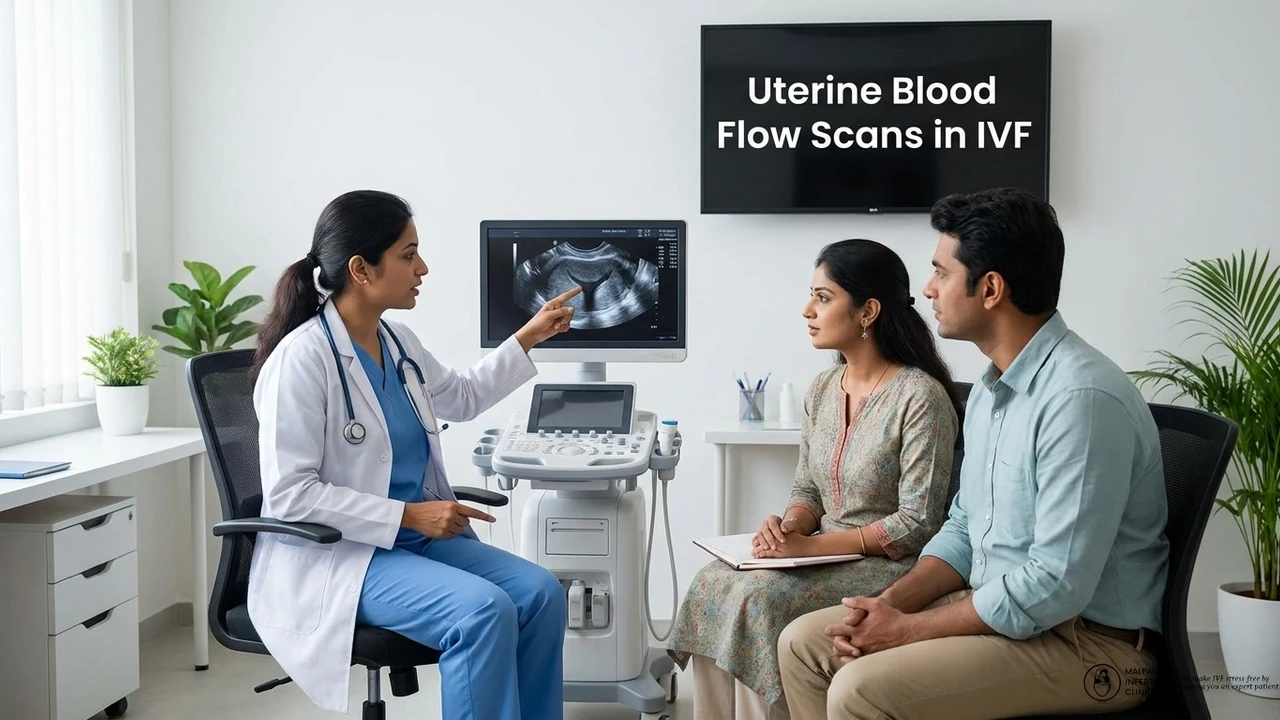
- Uterine blood flow measurements like Doppler indices (PI, RI) are not reliable predictors of IVF pregnancy success.
- A healthy endometrial lining thickness (typically 8 mm or more) is a much better indicator of uterine readiness for implantation.
- Many women with 'perfect' Doppler readings do not get pregnant, and others with 'bad' indices can still have healthy babies.
- Focusing on endometrial lining growth, embryo quality, and timing of transfer is more important for IVF success than Doppler blood flow tests.
Have you ever found yourself sitting in your IVF clinic, anxious and hopeful, as the doctor rolls the ultrasound probe over your belly? You hear them mention things like “uterine blood flow” or “Doppler waveforms” and see numbers flash on the screen. You wonder: does this really matter for my chances of getting pregnant? If you feel overwhelmed by all these medical terms and tests, you are not alone. Many couples facing infertility are told that measuring blood flow to the uterus can predict IVF success. But does it actually help, or is it just another number that adds to your stress?
Why Doctors Measure Uterine Blood Flow
It’s easy to see why so many IVF clinics choose to measure uterine blood flow. The logic goes like this: if the uterus and endometrium (the lining where the embryo implants) have good blood supply, the chances of successful implantation should be higher. Doppler ultrasound can measure how well blood is flowing to the uterus by looking at the movement of blood through its arteries. It gives numbers like the “pulsatility index” (PI) and “resistance index” (RI). Doctors and sonographers may point to these values, hoping they can tell which cycles are most likely to succeed.
The technology is impressive. With a few clicks, the machine draws colorful graphs and spits out indices. Some studies have even suggested a possible link between lower PI or RI and better pregnancy rates during IVF.
But here’s what nobody tells you: just because we can measure something, doesn’t automatically make it useful in real life.
What Actually Matters for Implantation
If you are worrying about whether your uterine blood flow numbers are “good enough,” here’s the truth: as long as your endometrial lining is growing well, typically 8 mm or more in thickness, your uterus is getting enough blood. The endometrium simply cannot reach a healthy thickness without proper supply. Your body is smarter than any machine.
The thickness and appearance of your endometrial lining tells us more about uterine health than any Doppler number ever could.
Some recent studies have questioned whether measuring blood flow actually improves IVF outcomes. While certain patterns of blood flow have been found in women who became pregnant, these differences are small and not reliable enough to be used for decision-making. In practice, many women with “perfect” Doppler readings do not get pregnant, while others with “bad” indices go on to have healthy babies.
At Malpani Infertility Clinic, we believe in sticking to what truly helps our patients. We focus on what we know makes a difference: the growth and appearance of your endometrial lining, the quality of your embryos, and the timing of your transfer.
The Real Role of Doppler and Blood Flow Tests
Let’s be honest. Doppler ultrasound is a powerful tool, but it is not a magic predictor of IVF success. Sometimes, these tests are performed simply because the technology is available, not because they add real value to your treatment. In fact, obsessing over every little fluctuation in blood flow readings can cause unnecessary stress and confusion.
If you have a lining thinner than 7 mm, or if there’s a genuine medical concern about blood flow (such as a history of uterine surgery or conditions affecting the uterus), then these measurements might be used to guide further investigation. But for most women, especially those with a good lining and no other uterine issues, tracking blood flow indices like PI or RI does not improve your chances, nor does it help us make better decisions.
Some clinics may still encourage these extra tests, often because they want to offer “everything possible” or because they have invested in expensive machines. But more tests do not always mean better care. At Malpani Infertility Clinic, we’d rather focus on what improves your odds, and your peace of mind.
Instead of spending energy worrying about numbers that don’t really matter, we help our patients focus on:
- Ensuring your endometrial lining is at least 8 mm thick and has a healthy, triple-line appearance before embryo transfer
- Optimizing your hormone levels and timing for the best possible window of implantation
- Choosing the best quality embryos for transfer
- Making sure you feel informed and empowered, every step of the way
No Test Can Predict the Future
Every couple wants certainty. In the world of IVF, there are so many unknowns, and it is natural to want something, anything, that gives reassurance. But no test, not even the most advanced Doppler ultrasound, can guarantee a pregnancy. Only the actual outcome of your treatment can do that.
If you have been told your uterine blood flow is “not ideal,” don’t panic. This number alone rarely changes your options. Instead, look at the bigger picture: are your cycles progressing well? Is your lining thick and receptive? Are your embryos of good quality? These are the factors that matter most for your IVF success.
We have seen countless patients at Malpani Infertility Clinic who worried endlessly about their Doppler numbers, only to go on and have successful pregnancies. And yes, we have also seen those with “perfect” numbers face disappointment. That is why we guide our patients to focus on what is truly important and avoid unnecessary anxiety.
How We Support You at Malpani Infertility Clinic
If you feel lost in a maze of statistics, tests, and medical jargon, you are not alone. Infertility brings enough emotional strain, and the last thing you need is more confusion from unnecessary investigations. At our clinic, we promise to give you straightforward advice, always backed by real evidence and empathy.
We do not order tests just because we can. We use them when they will actually help you, never as a meaningless routine. Our team is always here to explain the “why” behind every test and every protocol. If you have questions about your lining, your chances, or any part of your IVF cycle, we encourage you to ask. We are here to help you make the best decisions for your journey, not just follow a checklist.
If you are feeling uncertain, or if you want to talk with someone who will give you honest, practical guidance about your options, you can always speak with an expert fertility advisor at Malpani Infertility Clinic.
Frequently Asked Questions
Q: Does measuring uterine blood flow improve IVF success rates?
A: For most women with a healthy, thick endometrial lining, measuring uterine blood flow does not improve IVF outcomes or change treatment decisions.
Q: What is considered a good endometrial lining for embryo transfer?
A: A lining of at least 8 mm with a triple-line (multilayered) pattern is generally considered optimal for implantation.
Q: Should I worry if my Doppler ultrasound shows a high PI or RI?
A: Not necessarily. These numbers can vary between women and even within the same person on different days. As long as your lining is healthy, isolated Doppler values are rarely a reason for concern.
Q: Are there situations where measuring blood flow is important?
A: Yes, if you have a very thin lining, repeated implantation failures, or a history of uterine problems, your doctor may use blood flow measurements to investigate further.
Q: What should I focus on to maximize my IVF success?
A: Pay attention to the thickness and quality of your endometrial lining, the timing of your transfer, and the quality of your embryos. These are the factors most closely linked to successful pregnancy.
Q: How can I get personalized advice about my IVF treatment?
A: You can chat with an expert fertility advisor at Malpani Infertility Clinic for honest, evidence-based guidance.