
Diminished Ovarian Reserve ( DOR). Poor Ovarian Reserve. Oopause. Infertility and the older woman
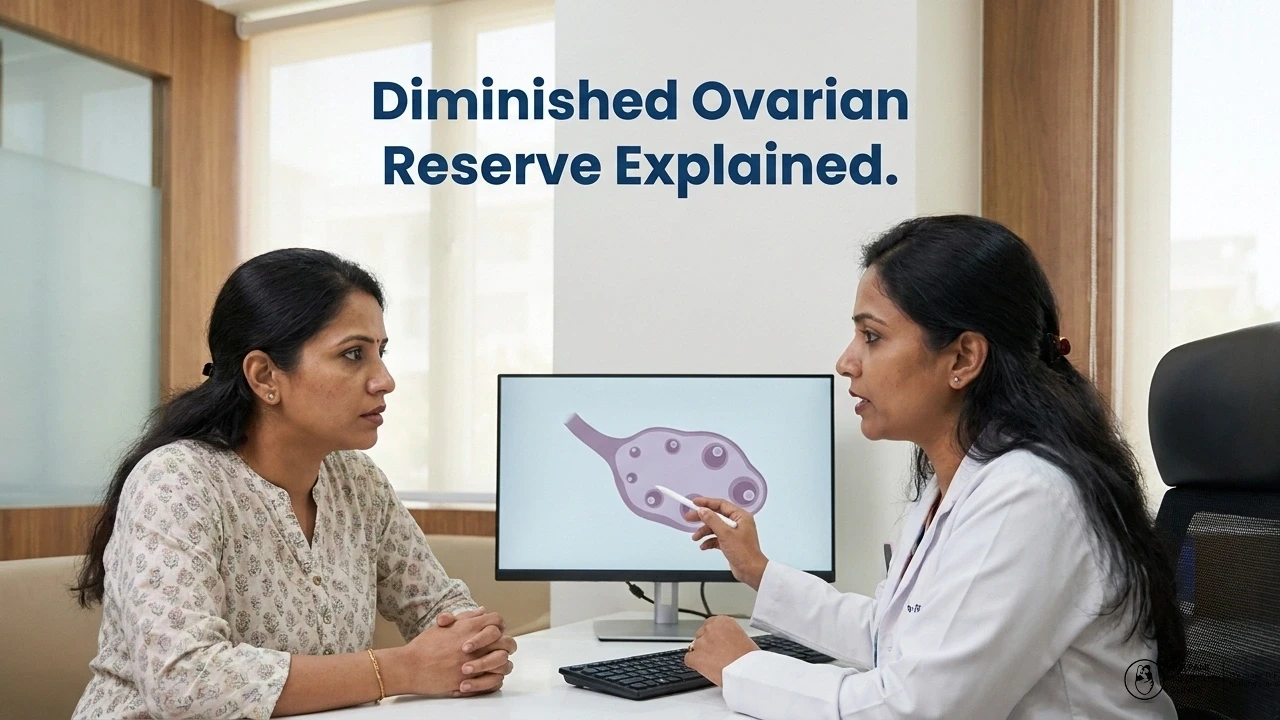
If you are in your late 30s or early 40s, staring at yet another negative pregnancy test and wondering why your dreams seem just out of reach, you are not alone. Maybe your friends have children, or your relatives keep asking about your family plans. Maybe you thought you had more time, or maybe you have tried cycle after cycle with no success. Let us talk honestly about something most people are too afraid to discuss: diminished ovarian reserve, or what we sometimes call “oopause.”
What Diminished Ovarian Reserve Really Means
A woman's fertility story is deeply personal, but there’s one hard biological fact that is rarely discussed openly: every woman is born with all the eggs she will ever have. Over time, these eggs are lost, and the pace of loss speeds up as you age. Diminished ovarian reserve (DOR) means that the number and quality of eggs in your ovaries is lower than expected for your age. This isn’t just something that happens suddenly at menopause. It is a gradual, silent process that can begin years before your periods stop.
Most specialists use “over 35” as a marker for “older” fertility, but this is just a guideline. Some women experience DOR in their early 30s or even younger, while others maintain good egg numbers for longer. What matters is not your calendar age, but your biological age: how many healthy eggs are actually left in your ovaries right now.
Your uterus and tubes usually work just fine, even as you get older. The issue is almost always with the eggs themselves: both how many are left and how well they function. This is why women in their 40s might get pregnant with donor eggs, but not with their own, even though their uterus is perfectly capable of carrying a baby.
How Do We Assess Ovarian Reserve?
Many women ask: “How do I know how many eggs I have left?” There are a few main ways your doctor can estimate your ovarian reserve. Each test looks at your ovaries from a different angle, and together they give a clearer picture of your fertility potential.
- AMH (Anti-Müllerian Hormone) Test: This is now the most popular and reliable blood test. AMH is produced by small follicles in your ovaries, so a higher AMH suggests a better egg supply. Read more about AMH here.
- FSH (Follicle Stimulating Hormone) and Estradiol Levels: These are measured on Day 3 of your cycle. A high FSH or an abnormal estradiol level can signal poor ovarian reserve.
- Clomiphene Citrate Challenge Test (CCCT): This is a “stress test” for your ovaries. You take a medication (clomiphene citrate) and your FSH levels are measured before and after. If your FSH levels are high, it suggests your ovaries are struggling.
- Antral Follicle Count (AFC): This is a vaginal ultrasound done early in your cycle to count the small, resting follicles in your ovaries. More follicles usually mean a better ovarian reserve. Read more about AFC here.
Even if your test results look normal, only your real-life response to fertility treatments shows how your ovaries actually perform.
In the past, doctors sometimes measured another hormone called inhibin B, but this is less commonly used today.
What Causes Diminished Ovarian Reserve?
Age is the most common reason. As you get older, your egg supply naturally drops. But there are other causes too, and sometimes women with DOR are much younger than you might expect:
- Genetics: Some women are born with fewer eggs, or their eggs run out sooner due to genetic factors. Early menopause can run in families.
- Medical Treatments: Chemotherapy, pelvic radiation, and certain medications can damage your ovaries and reduce your egg supply.
- Ovarian Surgery: Operations for endometriosis, cysts, or tumors can accidentally remove or damage healthy ovarian tissue.
- Lifestyle Factors: Smoking is a leading cause of early egg loss and poor egg quality.
- Unknown Causes: Sometimes, no specific reason is found. This can be especially frustrating and can make you feel lost or angry, but you are not to blame.
Oopause and Subtle Early Signs
Before menopause, there is a time period when egg quality and quantity begin to drop, what Dr. Jansen has called the “oopause.” You may still have regular periods, but you could already be experiencing infertility, unexplained miscarriages, or failed IVF cycles. Egg numbers look fine on paper, but embryos fail to implant or are of poor quality. Eventually, even fertilization fails. This is why the journey can feel so confusing and unfair.
Unfortunately, there are rarely any physical symptoms until the decline is advanced. Most women only realize something is wrong after months or years of trying, and by then, options can be limited. This is why honest, early testing is so important, especially if you are over 30 and considering waiting to start your family.
The Emotional Impact: DOR, Infertility, and the Midlife Crisis
For many women, the path to motherhood is tied up with a sense of identity, accomplishment, and life purpose. You might have waited to finish your education, build a career, or find the right partner, believing you still had time. But when you finally feel ready, you are confronted with your biological clock ticking faster than you thought.
It is not just about having a baby, it is about coming to terms with the reality that some choices may be slipping away. For many, infertility at midlife is a double crisis: facing both the end of your fertility and the personal changes that come with getting older. Sadness, grief, guilt, and even depression are common. You might blame yourself or feel angry at your body. This is a deeply personal and private struggle, and it is not your fault.
You are not alone. Many strong, successful women have sat in our clinic, heartbroken and confused, looking for honest answers and a way forward.
One practical step: if you are over 30 and considering delaying pregnancy, get your Day 3 FSH (and AMH, if possible) tested at a reliable lab. These simple blood tests can provide a reality check on your ovarian reserve. If your levels are high, take it seriously. It might be the wake-up call you need to think about your next steps.
women experience early menopause before age 40, and many more have diminished ovarian reserve by their late 30s.
What Can You Do Next?
There is no way to “grow” new eggs, but with the right advice, you can make the most of the eggs you have. If your ovarian reserve is low, time is precious. But you do have options, whether it is moving quickly with IVF, considering egg freezing, or even exploring donor eggs if needed. The key is to get truthful, personalized guidance so you can make decisions that are right for you, not just what everyone else is doing.
At Malpani Infertility Clinic, we believe in giving our patients honest, no-nonsense advice. We do not sugarcoat the facts, but we also do not push you into premature decisions. Every woman’s story is unique, and every couple deserves support that respects their values and hopes. If you are feeling anxious or lost, a confidential chat with our expert team can help you understand your real options and your best next steps.
Frequently Asked Questions
Q: What is diminished ovarian reserve?
A: Diminished ovarian reserve means a woman has fewer eggs, and often eggs of lower quality, than expected for her age. This reduces the chances of natural conception and sometimes even impacts IVF success.
Q: What are the main tests for ovarian reserve?
A: The main tests are the AMH blood test, Day 3 FSH and estradiol testing, the clomiphene citrate challenge test, and antral follicle count (AFC) on ultrasound. Each test gives a different piece of the puzzle.
Q: Can diminished ovarian reserve be reversed?
A: Sadly, there is no proven way to restore egg quantity or quality. However, you can still try to conceive using your own eggs, and some women succeed with personalized fertility treatments or with donor eggs if needed.
Q: Does having regular periods mean my ovarian reserve is normal?
A: No. Many women with diminished ovarian reserve still have regular cycles. Fertility can decline even before periods become irregular.
Q: What should I do if I am diagnosed with diminished ovarian reserve?
A: Speak to a fertility specialist promptly. Your options may include IVF, egg freezing, or considering donor eggs, depending on your age, test results, and family goals. Early action gives you more choices.
Q: Does Malpani Infertility Clinic offer support for women with DOR?
A: Yes. We provide honest advice, advanced diagnostics, and personalized treatment plans for women with diminished ovarian reserve, and emotional support through every step of your journey.