
Hirsutism - Causes & Treatment -- Excess Facial and Body Hair
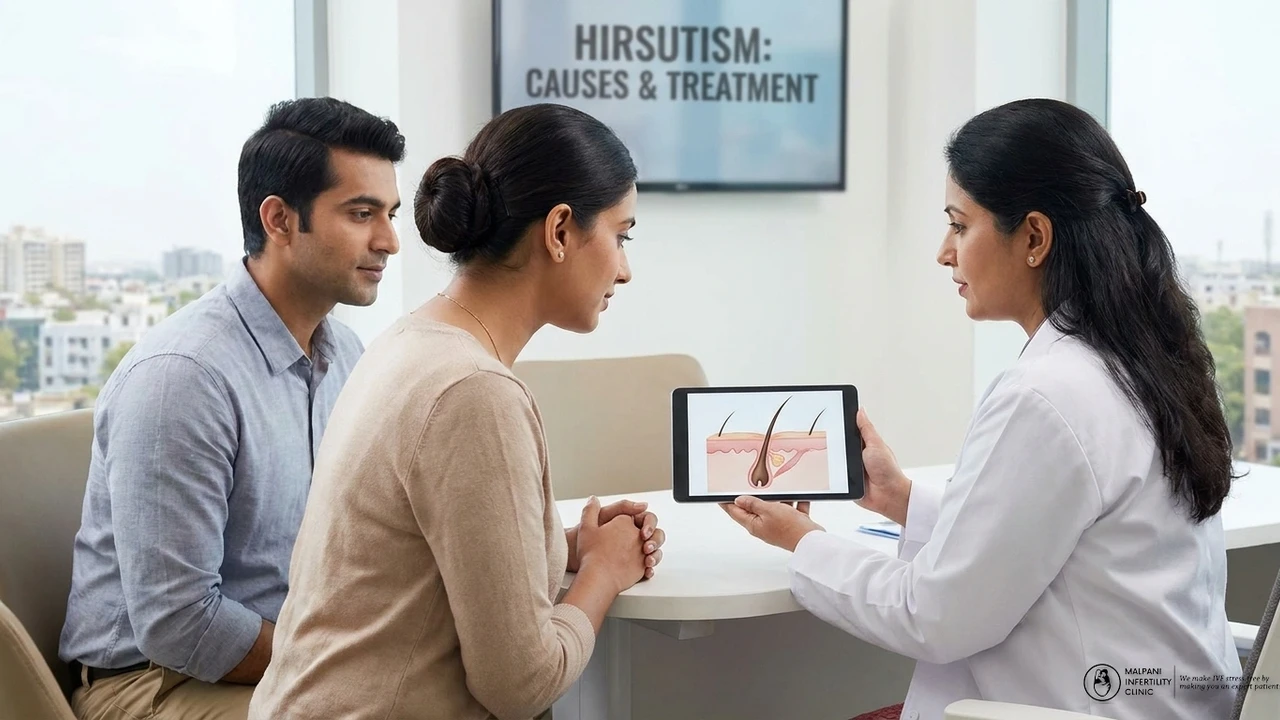
If you find yourself constantly worried about unwanted facial or body hair, feeling embarrassed in social situations, or dreading a mirror because of stubborn thick hair that just keeps coming back, you are not alone. Many women quietly struggle with hirsutism, the medical term for male-pattern hair growth in women. It is not just about looks: it can chip away at self-confidence, relationships, and even hopes for starting a family. But behind the frustration and confusion, there are real answers and hope for regaining control, if you know where to look and what questions to ask.
Understanding Hirsutism
Hirsutism is when women develop thick, dark hair on the face or body in areas where men typically grow hair: the upper lip, chin, chest, stomach, or back. It is more than a cosmetic nuisance. For many, it carries emotional weight, sometimes even shame or secrecy. The reality is that hirsutism often points to a deeper hormonal imbalance, which can affect everything from periods to fertility.
Every adult has two types of hair:
- Vellus hair: Soft, fine, light-colored hair that is barely noticeable. Most women have vellus hair on the face, chest, and back, giving the appearance of smooth skin.
- Terminal hair: Coarse, thick, and darker hair that you see on the scalp, underarms, and pubic area. In men, terminal hair covers much of the face and body. In women with hirsutism, vellus hair in certain areas gets transformed into terminal hair.
Why Does Hirsutism Happen?
Hirsutism usually occurs when your body has higher levels of androgens (male-type hormones), or your skin is especially sensitive to these hormones. Both women and men have androgens, but men have much higher levels, which is why their hair is coarser and more widespread. For women, androgens are mainly produced by the ovaries and adrenal glands.
- Polycystic Ovarian Syndrome (PCOS): By far the most common cause in women, especially those struggling with infertility. PCOS causes the ovaries to make more androgens and develop tiny cysts. Along with unwanted hair, PCOS often brings irregular periods, trouble ovulating, acne, and weight gain. Learn more about PCOS here.
- Family Tendency: Genetics play a role. If other women in your family, your mother, aunt, or sister, struggled with excess hair growth, you are more likely to as well. In some cases, the skin is just more sensitive even to normal hormone levels.
- Ovarian or Adrenal Tumors: Rare but important to rule out, especially if the hair growth comes on suddenly or is severe. Tumors can cause sky-high androgen levels, leading to rapid changes, including deeper voice, more muscle, or even changes in genitalia (a process called virilisation).
- Adrenal Gland Disorders: Conditions like late onset adrenal hyperplasia or Cushing’s disease make the adrenal glands produce excess male hormones. These tend to run in families and may show up as hirsutism, acne, and irregular periods.
- Medications: Certain drugs, including some steroids or bodybuilding supplements, can trigger unwanted hair growth.
Many women with hirsutism feel isolated or misunderstood, but up to 10% of women experience it at some point in their lives.
How Is Hirsutism Diagnosed?
When you come to a fertility specialist or gynecologist with concerns about excess hair, the first step is a thorough history: When did the hair start? Is it getting worse? Are there other symptoms like irregular periods, acne, or voice changes? Your doctor will also look for signs of male-pattern baldness, deepening voice, or changes in body shape.
- Blood Tests: These check the levels of androgens (like testosterone, DHEA-S, and androstenedione), and other hormones. This helps pinpoint if the excess hormones come from the ovaries or adrenal glands.
- Pelvic Ultrasound: This can spot polycystic ovaries or ovarian tumors.
- Special Hormone Tests: Sometimes, stimulation or suppression tests are needed, these check how your ovaries and adrenal glands respond to certain medicines, helping clarify the cause.
If a hormone-producing tumor is suspected, further imaging (like CT or MRI) may be recommended. These tests are not just routine, they are crucial for ruling out serious but rare causes, and for tailoring treatment to your unique situation.
Treatment Options: What Really Works?
The best treatment for hirsutism depends on both the cause and your personal goals. If you are trying to get pregnant, the approach will focus on restoring ovulation first. If cosmetic concerns are your main worry, there are both medical and cosmetic solutions.
Medical Treatments
- Ovulation Induction for PCOS: For women with PCOS who want a baby, the top priority is helping the ovaries release eggs. This can be done with medications that help regulate cycles and ovulation.
- Hormonal Therapy: Medicines that lower androgen levels or block their effects can stop new hairs from growing, but they work gradually. It may take six months or more to see a real difference. While these medicines slow the growth of new hair, they do not make existing thick hairs fall out, those need cosmetic removal.
- For adrenal-related hirsutism, low doses of steroids such as dexamethasone or prednisone may be prescribed. These are carefully monitored by your doctor to avoid side effects.
- Addressing Underlying Causes: If a specific drug is triggering the hair growth, stopping it (with your doctor’s guidance) can help. If a tumor is found, surgery may be necessary.
Cosmetic and Hair Removal Solutions
Most women start with at-home methods:
- Shaving: Easiest and safest for temporary removal. Does not make hair grow back thicker or faster, a common myth. Electric razors can be gentler on sensitive skin.
- Plucking/Waxing: Pulls hair out from the root. Effective for small areas but can irritate skin and sometimes cause ingrown hairs.
- Depilatory Creams: Chemical creams dissolve hair shafts. Use with caution on the face as they can cause irritation.
For longer-lasting results:
- Electrolysis: Fine needle delivers a small electric current to each hair follicle, killing it permanently. Best for small areas, but can be time-consuming and uncomfortable.
- Laser Hair Removal: Targets the dark pigment in the hair, destroying the follicle. Fast and effective, especially for women with lighter skin and darker hair. Multiple sessions are needed for best results.
Medical therapy can prevent new unwanted hair, but removing existing thick hair often needs a combination of patience and cosmetic procedures.
Living with Hirsutism: Real Support, Real Answers
Hirsutism can make you feel like you are fighting a daily battle, against your own body, against confusion, or against how others see you. At Malpani Infertility Clinic, we believe in giving you honest, straightforward advice and real support. You deserve to understand your options, not just cover up the symptoms. Whether your goal is to grow your family, manage PCOS, or simply feel more at ease in your skin, our team is here to guide you, with compassion and expertise.
of hirsutism cases in women are due to PCOS or genetic sensitivity to androgens.
If you are tired of feeling alone or uncertain, remember: you do not have to figure this out by yourself. The right diagnosis and treatment can make a world of difference, to your confidence, your relationships, and your future.
Frequently Asked Questions
Q: What exactly is hirsutism?
A: Hirsutism is when women develop thick, dark hair in areas where men usually grow hair, like the face, chest, or back. It often points to a hormonal imbalance in the body.
Q: Is hirsutism always caused by PCOS?
A: PCOS is the most common cause, but hirsutism can also be due to genetics, adrenal gland disorders, medications, or rarely, hormone-producing tumors.
Q: Can hirsutism be cured?
A: While you may not be able to reverse every hair that has grown, the right treatment can stop new hair from appearing and help you manage the condition effectively.
Q: Will removing hair make it grow back thicker?
A: No. Shaving, plucking, or waxing does not cause hair to grow back faster or thicker. That is a common myth.
Q: How long does it take for medical treatments to work?
A: Medical treatments for hirsutism take time, usually at least six months to notice a significant change in new hair growth.
Q: Is laser hair removal permanent?
A: Laser hair removal can provide long-lasting reduction of hair, especially with multiple treatments, but some maintenance may be needed over time.
Q: Can hirsutism affect my ability to get pregnant?
A: If hirsutism is caused by conditions like PCOS, it can be linked to problems with ovulation and fertility. Treating the underlying hormonal imbalance can improve your chances.