
The Stress of being Infertile.
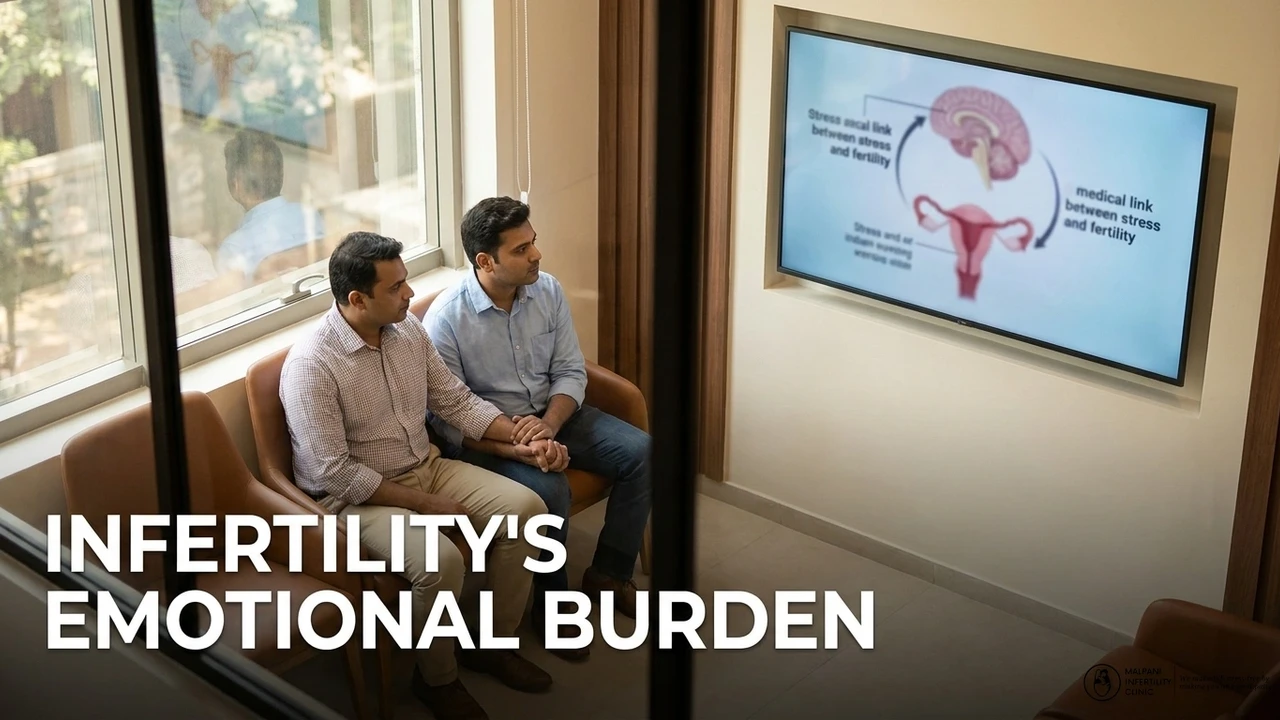
If you find yourself staring at yet another negative pregnancy test, heart pounding, feeling like the world has quietly moved on without you, you are not alone. The invisible weight of infertility is something most people carrying it never speak about, but it shapes every part of your day: your hope, your self-worth, your relationships, and your dreams. If you have ever thought, “Why can’t I just relax and let it happen?” or felt blamed for being “too tense,” this article is for you.
Stress and Infertility: What Is the Real Connection?
We hear it everywhere: “Just relax and you’ll get pregnant.” If only it were that simple. The relationship between stress and infertility is not as straightforward as people make it sound. Yes, infertility causes enormous stress. But can stress really cause infertility?
Let’s be honest: decades ago, people believed psychological issues were the main reason for “unexplained” infertility. Women were told their subconscious fears or hidden anxieties were to blame. Thankfully, research has put those myths to rest. Modern science shows that most infertility cases have identifiable medical causes, not secret emotional blocks.
However, there are a few ways stress can, biologically, mess with fertility:
- Severe stress can disrupt your brain’s hormone center, sometimes stopping ovulation completely or making cycles irregular (just like some female athletes experience).
- Stress chemicals can interfere with reproductive organs, potentially affecting egg and sperm movement or even hormone production.
- For men, intense stress can lower sperm count and affect sexual function.
But these are usually extreme scenarios. For most people, everyday stress, even at high levels, does not cause infertility. More often, the stress is a response to infertility, not the cause.
The guilt of believing your stress is the reason you are not pregnant only adds to your suffering. You did not cause this.
When Infertility Feels Overwhelming
Infertility is not just a medical issue. It is a life crisis, one that digs deep into your sense of self, your relationships, and your future. Research shows that women going through infertility treatment often feel as much stress as those facing serious illnesses like cancer or heart disease.
Every month feels like an emotional rollercoaster: hope builds as you wait, then comes disappointment when your period arrives. You may start dreading even the smallest reminders, pregnancy announcements, baby showers, or even seeing children in the park. Friends and family mean well, but their questions or advice often sting.
- The constant need to “time” sex at home can turn intimacy into a chore.
- Waiting for test results, for your period, or for next steps can be excruciating.
- Balancing doctor visits, work, and daily life can feel impossible.
- The uncertainty, never knowing if or when you’ll finally succeed, gnaws at you.
Infertility treatment itself brings its own storm: injections, blood tests, medical procedures, and sometimes, side effects like mood swings or physical discomfort. These demands can strain even the strongest relationships. Couples often find themselves isolated, misunderstood, or arguing more often.
Financial pressure is another reality. Good fertility care can be expensive, and many people are forced to make heartbreaking choices about how far they can go. At Malpani Infertility Clinic, we understand these struggles. It is never “just” about the medical protocol, your emotional wellbeing matters, too.
The Vicious Cycle: When Stress Feeds Infertility
It is not uncommon for couples to get stuck in a painful loop. The heartbreak of infertility increases stress, which in turn can sap your energy, disrupt sleep, lead to unhealthy eating, and sometimes strain your relationship with your partner. In some rare cases, severe stress can affect hormones, making cycles irregular or suppressing ovulation, but for most people, stress is the result of infertility, not the cause.
One of the most harmful beliefs is the idea that if you are not successful, you “did not want it enough” or “were too stressed.” Stories about couples who miraculously conceived on holiday or after “giving up” only add to this pressure. The reality is, these are exceptions, not the rule.
Victim blaming, especially towards women, is deeply unfair and only compounds the suffering. At Malpani Infertility Clinic, we see you. You are not failing. You are not “too tense.” You are surviving one of life’s most difficult journeys.
Facing Stress During Fertility Treatment
Fertility treatments, from basic blood tests to advanced IVF, are demanding. Not just physically, but emotionally and financially as well. The process can feel endless: daily injections, ultrasounds, and that breathless wait for phone calls with results. Then, there’s the fear: What if it fails? What if it never happens?
Many couples feel completely out of control, and that sense of helplessness can be devastating. Add in hormonal medications, which can cause real mood swings, and it is easy to see why even the most resilient people find themselves overwhelmed.
Even simple things become stressful: waiting in the clinic, juggling appointments with work, and answering questions from family or colleagues. The world keeps moving, but you feel stuck in limbo.
It is important to remember that stress is a normal response to an abnormal situation. You do not have to “stay positive” all the time. It is okay to grieve, to feel angry, sad, or lost. These feelings do not make you weak or less deserving of parenthood.
Up to 40% of women going through infertility experience clinical levels of anxiety or depression during treatment.
Practical Ways to Cope and Regain Control
While you cannot snap your fingers and erase the stress, you can learn ways to manage it. And sometimes, sharing your pain or simply being heard is the first step to feeling less alone.
- Recognize what you can and cannot control. You cannot control the outcome, but you can choose how to respond to setbacks. Focus on small, daily victories: showing up for appointments, asking questions, or taking time for yourself.
- Let yourself feel. Suppressing anger, sadness, or fear only makes it worse. It is okay to cry, to vent, and to admit when it all feels unfair.
- Communicate with your partner. Each of you may cope differently. Talk openly about what you need, whether it is space, comfort, or simply being listened to without advice.
- Set boundaries with others. You don’t have to answer every question or attend every family event. Protect your emotional space.
- Try simple stress-relief techniques. Meditation, deep breathing, gentle exercise, or even reading in the waiting room can help ground you.
- Consider professional support. Counseling or support groups can make a real difference, especially when it seems like no one else understands.
Everyone’s experience is unique. What calms one person may not work for another. The key is to find your own path and not judge yourself for needing help.
There is a powerful movie that beautifully captures the emotional journey of an infertile couple. Sometimes, seeing your feelings reflected can bring unexpected comfort.
At Malpani Infertility Clinic, we believe that giving patients honest information and real emotional support is as important as choosing the right medical protocol. You deserve a fertility team that sees all of you, not just your test results.
Finding the Right Support for Your Fertility Journey
It takes courage to ask for help. If you feel stuck, overwhelmed, or unsure about your next steps, speaking to a fertility expert can help you see your options more clearly. At Malpani Infertility Clinic, Dr. Malpani and our team are here to talk honestly about your concerns, explain your choices in plain language, and support you in every way possible, medically and emotionally.
You do not have to carry this weight alone. Whether you are just starting or have been on this path for years, reaching out for advice is not a sign of weakness. It is a step towards hope, understanding, and making the best decisions for your future.
Frequently Asked Questions
Q: Does stress actually cause infertility?
A: In most cases, everyday stress does not cause infertility. While severe stress can disrupt hormone cycles, for most people stress is a result of infertility, not the cause.
Q: Can reducing stress improve my chances of getting pregnant?
A: Managing stress can make your journey less overwhelming and may help you stick with treatment, but for most people it does not directly increase fertility. Stress relief is about helping you cope, not guaranteeing pregnancy.
Q: Is it normal to feel sad, angry, or anxious during fertility treatment?
A: Yes. Many people experience strong emotions during infertility. It is a normal response to a very difficult situation.
Q: What are some practical ways to manage stress during infertility?
A: Try simple relaxation techniques, talk openly with your partner, set boundaries with others, and seek professional support if needed. Even small steps can help you feel more in control.
Q: Should I get counseling while going through infertility?
A: Counseling or support groups can help many people cope better, especially if you feel isolated or overwhelmed. It is a sign of strength to ask for help.
Q: How can I talk to my doctor if I feel too embarrassed or emotional?
A: Remember, your doctor is there to help you, not judge you. Writing down your questions or bringing a loved one can make it easier to communicate your feelings and concerns.