
The Social & Ethical Issues around Infertility - Right or Wrong?
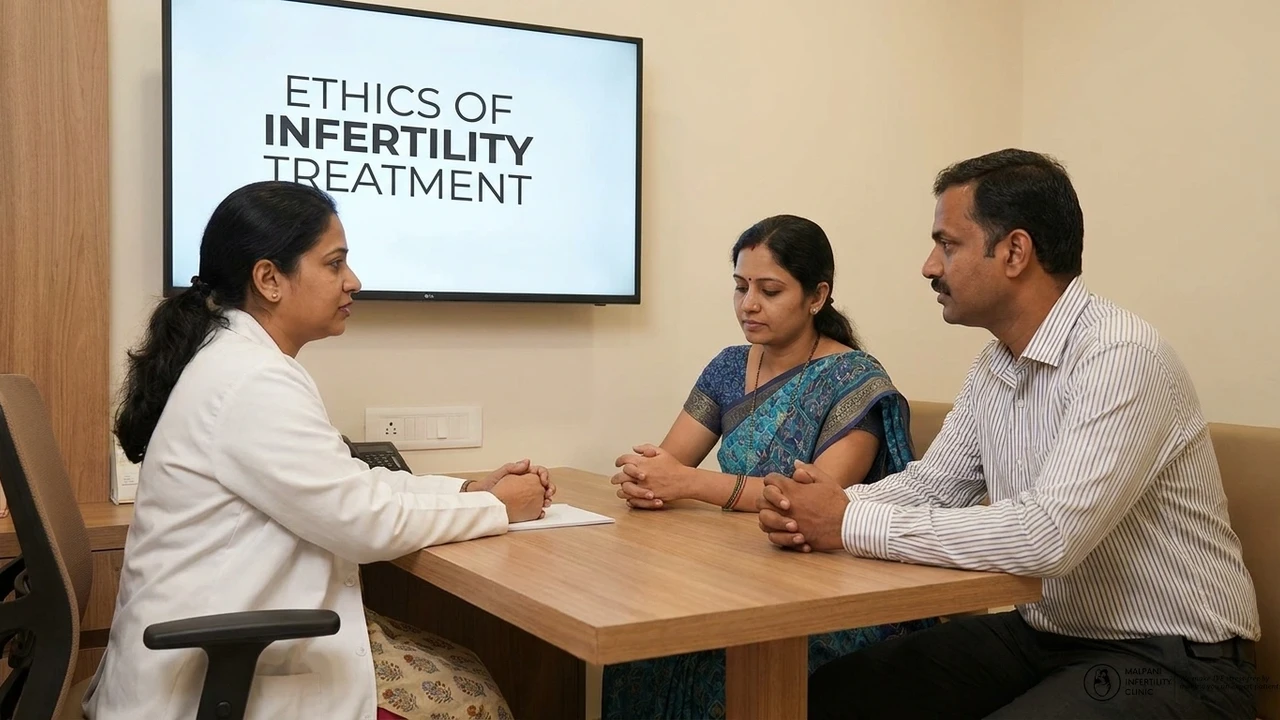
Have you ever found yourself lying awake and wondering if the path you are taking to have a baby is even "right"? Maybe you have felt the sting of someone else's opinion about IVF, surrogacy, or donor eggs. Or maybe the questions come from inside: is what we are doing natural, ethical, or fair? If you are wrestling with these thoughts, you are not alone. Every day, couples who want nothing more than a child of their own face not just medical hurdles, but also a storm of social and ethical doubts. These are not just abstract debates. They are deeply personal, emotional struggles that no one ever prepares you for.
What Makes Assisted Reproduction Feel So Complicated?
Modern fertility treatments like IVF, sperm or egg donation, surrogacy, and embryo freezing have opened doors for couples who once had no hope. But with these new possibilities come new questions. Society, religion, and even our own families sometimes lag behind the science, unsure how to process or accept these advances. Some people see these options as a blessing, while others worry about whether they are "playing God" or interfering with nature.
At Malpani Infertility Clinic, we see the emotional burden that these questions place on couples every single day. The truth is, there are no easy answers. The only constant is that the technology moves faster than society's comfort with it. This gap creates anxiety and sometimes even shame for those who are simply trying to build a family.
Common Ethical Concerns Around Fertility Treatments
Couples exploring assisted reproductive technology (ART) often run into a maze of ethical debates. Here are some of the most frequent issues patients ask about:
- When does life begin? Some people believe that embryos should be protected from the moment they are created, while others focus on the potential for a healthy, much-wanted child. This impacts opinions about embryo research or freezing extra embryos.
- Use of donor sperm or eggs: For many, the idea of a child not being genetically linked to one or both parents raises questions about identity and family bonds. Others see it as a gift, a chance at parenthood that would otherwise be impossible.
- Surrogacy: Some worry about the rights of the surrogate mother or fear that it turns childbirth into a transaction. Others argue that it is a compassionate act that helps build families.
- Child’s right to know: Should children born via donor gametes or surrogacy know their origins? This is a topic without consensus.
- Clinic regulation and patient protection: Ensuring that clinics operate ethically and patients are not exploited is crucial. At Malpani Infertility Clinic, all protocols are transparent and focused on patient welfare.
Many couples feel lost in a fog of opinions, unsure if their dreams are selfish or justified.
It is easy to get overwhelmed with these questions. But the real question is not what others think, it is what feels right for you and your family.
How Religion and Culture Shape Our Choices
Religious beliefs can strongly influence how people view fertility treatments. The Catholic Church is very clear in opposing IVF and donor procedures, believing that conception should only occur through natural union. Some faiths, like Judaism, may accept IVF but draw the line at donor sperm or eggs. In Islam, the use of donor sperm is not permitted, but treatments using the couple's own gametes may be allowed.
But most people do not fit neatly into a single religious or cultural box. Many couples find that their personal beliefs differ from official religious teachings. Some families are supportive, while others struggle to accept the idea of "non-traditional" conception. The result is often a feeling of isolation, as if you are alone in your struggle or somehow letting your family or faith down.
It is important to remember: the only beliefs that truly matter are yours and your partner’s. Ethics are deeply personal, and no one else has to live with your choices or your heartbreak.
Making Sense of the Debates, And Finding Your Own Path
The reality is, there will always be opposing views on assisted reproduction. Some believe it goes against nature or religious doctrine. Others see it as a remarkable human achievement, one that turns heartbreak into hope.
At Malpani Infertility Clinic, we believe every couple deserves respect and honest information. We guide you through:
- Understanding the full range of treatment options and their ethical implications
- Assessing what feels comfortable and right for you, regardless of outside opinions
- Ensuring all procedures are safe, well-regulated, and in line with your values
We have seen couples from every background find comfort and clarity when they are supported, not judged. Our job is not to decide for you, but to empower you to make decisions you can live with, today and years from now.
of couples report feeling less anxious about ethical concerns after detailed counseling and transparent discussion of their options.
Whose Decision Is It Anyway?
No law, religious leader, or expert can tell you what is right for your family. The reality is, you are the only ones who will live with the outcome, both the joy and the struggles. Sometimes, you may never reach total agreement with everyone around you, and that is okay.
By seeking out reliable information, weighing your own values, and having open conversations with your partner, you can make choices with confidence. At Malpani Infertility Clinic, we are always here to listen without judgment and to answer every question, no matter how sensitive.
There is no universal right or wrong in fertility treatment, only what feels true to your life and heart.
Frequently Asked Questions
Q: Are fertility treatments like IVF or surrogacy considered unethical?
A: Views on the ethics of treatments like IVF and surrogacy vary widely depending on personal, religious, and cultural beliefs. At Malpani Infertility Clinic, we focus on helping you make informed choices based on your values and needs.
Q: Is it wrong to use donor sperm or eggs?
A: There is no single answer. Some people feel uncomfortable with donor gametes, while others see them as a path to parenthood. What matters most is your comfort with the decision.
Q: Will my child be able to know their genetic origins?
A: This depends on the specific procedure and country regulations. We can guide you through the options and help you consider the long-term implications.
Q: What if my religion disagrees with fertility treatments?
A: Many couples find their personal beliefs differ from official religious positions. We encourage open discussion and support you in making choices that align with your conscience.
Q: How can I protect myself from unethical clinics?
A: Choose a clinic that is transparent, licensed, and focused on patient welfare. Malpani Infertility Clinic adheres to strict standards to ensure your safety and dignity.