
Infertility Record Sheet - a Medical Record of your treatment
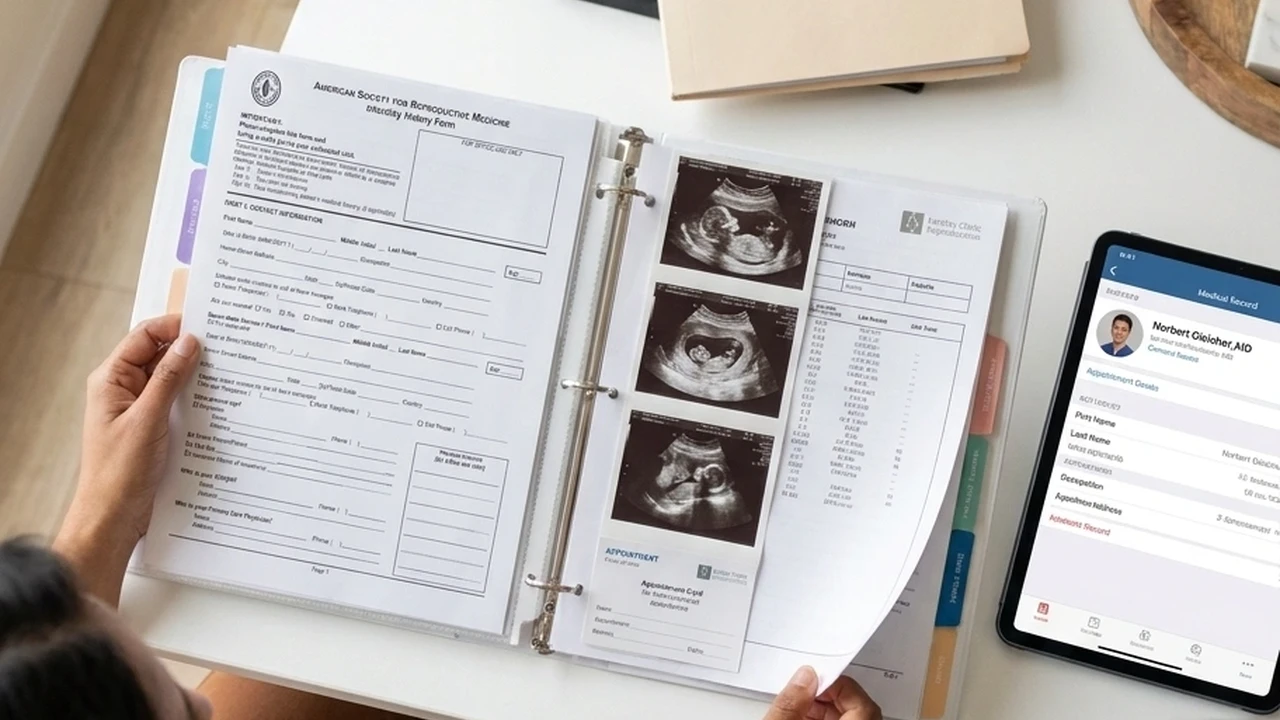
Does your heart sink every time you’re asked to repeat your fertility “story” to a new doctor, or to fill out yet another form? If you feel overwhelmed by the details, the treatment dates, or the emotional rollercoaster of keeping track, you are not alone. Most couples struggling to conceive find their memories blurred by hope, disappointment, and endless appointments. Yet, having a clear, organized record can be a lifeline: it empowers you to make better decisions, helps your doctor spot patterns, and saves you from reliving painful moments again and again.
Why Your Infertility Record Matters
Every test, every medication, every cycle is a piece of your story. It’s not just paperwork. It’s the roadmap of your journey, the struggles, the wins, and the clues to what could work next. Many couples who come to Malpani Infertility Clinic say, “I wish I had written all this down earlier.” When you have everything in one place, you take back some control, and you can have more productive conversations with your doctor.
“Keeping a personal fertility record means you never have to start from zero again, no matter where you seek help.”
Whether you have just started trying, or you’ve been through years of appointments, a well-kept record offers:
- Clarity on what’s been done and what’s next
- Smoother second opinions, without missing important history
- Less anxiety about forgetting vital details
- Confidence in the decisions you and your doctor make together
What You Should Track in Your Record
We see couples who struggle to recall when they last had a Hysterosalpingogram or which medication protocol they used. This is normal, fertility treatment is stressful, and memories fade. That’s why we recommend a simple but thorough record sheet. Here’s what you should include:
Basic Details:
- Date of each appointment or test
- Your name and your partner’s name
Relationship and Social History:
- How long you’ve been married
- How long you’ve been trying to conceive (with and without medical help)
- The type of doctor you’ve seen (general gynecologist or fertility specialist)
- Frequency of intercourse (yes, it matters)
- Smoking or recreational drug use (for both partners)
Female Partner’s History:
- Age, birthdate, height, weight
- Menstrual cycle details (regularity, length, bleeding days)
- Any history of endometriosis or pelvic inflammatory disease
- Pelvic surgeries and findings
- Number of pregnancies, miscarriages, abortions, tubal pregnancies, live births (with current and previous partners)
- Current medical problems and medications
Male Partner’s History:
- Age, birthdate
- Number of pregnancies with previous partners
- Any issues with erection or ejaculation
- Semen analysis results (sperm count, motility)
- Current medical issues and medications
Tests and Treatments:
- Dates and results for key tests: Hysterosalpingogram (HSG), laparoscopy, hysteroscopy
- Types of treatments you’ve tried: ovulation induction, intrauterine insemination (IUI) with or without stimulation, IVF, ICSI
- Details of each cycle: medications used, number of follicles, eggs retrieved, embryos transferred/frozen
- Other relevant test results or medical findings
Why so much detail? Because fertility is a puzzle. Sometimes, one overlooked lab number or one forgotten surgery can change everything about your treatment plan.
How to Use Your Record Sheet
You might feel shy about writing all this down. You might worry it’s too much or that you’re being a “difficult” patient. At Malpani Infertility Clinic, we encourage it! Bring your record sheet to every appointment. If you ever want a second opinion, you’ll save yourself and your new doctor hours of guesswork and repeated tests.
Here’s how to get started:
- Download or create a printable version of the record sheet (if you need help, ask us)
- Update it after every test, treatment, or major event
- Keep copies (digital and paper) safe and easy to find
- Bring it to every new consultation
It’s your right to have access to your own medical information. Don’t let anyone make you feel otherwise.
What Doctors Look for in Your Records
Many patients are surprised when experienced fertility specialists, like Dr. Malpani, spot patterns that others have missed. Sometimes, a series of failed cycles points to a tweak in protocol. Sometimes, a missed diagnosis (like mild endometriosis or a subtle sperm issue) shows up only when looking at the full picture.
When you share a complete, organized record, your doctor can:
- Avoid repeating unnecessary tests
- Plan more logical, step-by-step treatment options
- Give you clear, honest advice on your chances and next steps
“Doctors want to help, but only you can provide the full story. Your record is the map to your success.”
At Malpani Infertility Clinic, we treat your records with full confidentiality and respect. You’ll never be judged for your past choices or struggles, only guided toward solutions that make sense for your unique case.
Real-Life Impact: Stories from Patients Like You
We have seen patients who, after years of “random” treatments at multiple clinics, finally took ownership of their records. Suddenly, what seemed like a hopeless cycle of failures became a structured plan. One couple realized they had never had a proper sperm DNA fragmentation test. Another discovered their stimulation protocols had never been adjusted, despite poor response. Both found answers, and new hope, because they could see their own story in black and white.
of patients at Malpani Infertility Clinic are encouraged to keep their own records, because it leads to better outcomes and peace of mind.
Don’t underestimate the power of your own information. It’s your treatment, your future, and you deserve to be in control.
Download and Start Your Personal Record Sheet Today
Ready to take a step that truly changes your journey? Use our recommended template below. If you need help filling it out, or if you want an expert’s eye on your records before your next big decision, our team at Malpani Infertility Clinic is here for you.
Contact us for support or if you want to discuss your history with Dr. Malpani himself. Sometimes, the smallest bit of organization can open the door to the answers you’ve been searching for.
Here’s a sample record sheet layout:
Date: ___ ___ ___ ___ ___ ___
Name: ___ ___ ___ ___ ___ ___ ___ ___ ___ ___ ___ ___
Partner Name: ___ ___ ___ ___ ___ ___ ___ ___ ___ ___ ___ ___
SOCIAL HISTORY
How long have you been married? ___ ___ ___ ___ ___ ___
How long have you been trying to get pregnant? ___ ___ ___ ___ ___ ___
How long have you been trying to get pregnant with a doctor's help? ___ ___ ___ ___ ___ ___
Was it a General Gynecologist or an Infertility Specialist? ___ ___ ___ ___ ___ ___
About how many times a month do you have intercourse? ___ ___ ___ ___ ___ ___
Does either partner smoke? ___ ___ ___ ___ ___ ___
How much? ___ ___ ___ ___ ___ ___
Does either partner use recreational drugs? ___ ___ ___ ___ ___ ___
Which ones? ___ ___ ___ ___ ___ ___
FEMALE HISTORY
Age: ___ ___ Birthdate: ___ ___ Height: ___ ___ Weight: ___ ___
Menstrual periods occur every ___ ___ days. Are they regular? ___ ___
For how many days do you bleed? ___ ___ Do you have endometriosis? ___ ___
Have you ever had pelvic inflammatory disease (PID)?
___ ___ ___ ___ ___ ___ ___ ___ ___ ___ ___ ___ ___ ___ ___ ___ ___ ___
What pelvic surgeries have you had?
___ ___ ___ ___ ___ ___ ___ ___ ___ ___ ___ ___ ___ ___ ___ ___ ___ ___
What were the findings?
___ ___ ___ ___ ___ ___ ___ ___ ___ ___ ___ ___ ___ ___ ___ ___ ___ ___
Number of pregnancies with this partner: ___ ___
Number of pregnancies with a previous partner: ___ ___
Number of miscarriages: ___ ___
Number of abortions: ___ ___
Number of tubal pregnancies: ___ ___
Number of live births: ___ ___
Medical problems and current medications of female partner:
___ ___ ___ ___ ___ ___ ___ ___ ___ ___ ___ ___ ___ ___ ___ ___ ___ ___
MALE HISTORY
Age: ___ ___ Birthdate: ___ ___
Number of pregnancies with a previous partner: ___ ___
Do you have problems with erection or ejaculation?
___ ___ ___ ___ ___ ___ ___ ___ ___ ___ ___ ___ ___ ___ ___ ___ ___ ___
Sperm count: ___ ___ million per ml.
Motility: ___ ___ %
Male medical problems and current medications
___ ___ ___ ___ ___ ___ ___ ___ ___ ___ ___ ___ ___ ___ ___ ___ ___ ___
MEDICAL HISTORY
Test Yes/No Date Result
Hysterosalpingogram
Laparoscopy
Hysteroscopy
Other
Treatment Yes/No How many Date Any success?
Ultrasound monitoring
Clomiphene stimulation with intercourse
Clomiphene stimulation with insemination
Injectable HMG stimulation with intercourse
Inseminations without any stimulation
Injectable HMG stimulation with insemination
In vitro fertilization (IVF)
ICSI
Give details of IVF / ICSI results, if applicable.
Stimulation protocol used: _______________________
Follicles grown: ______ Eggs retrieved: ______
Embryos transferred: ______ Embryos frozen: ______
OTHER
Are there other pertinent test results, procedures or problems that have been identified?
Frequently Asked Questions
Q: Why is it important to keep my own infertility treatment record?
A: Having your own record saves you from repeating tests, helps you remember key details, and empowers both you and your doctor to make better, more personalized decisions.
Q: What if I don’t remember all my past treatments?
A: Start with what you know. As you gather more reports or speak to previous clinics, you can fill in the gaps. Even partial information is better than none.
Q: Will my doctor mind if I bring my own record sheet?
A: Any good fertility specialist, including those at Malpani Infertility Clinic, welcomes organized records, as it helps them focus on solutions, not paperwork.
Q: How can I be sure my medical history stays private?
A: At Malpani Infertility Clinic, your confidentiality is a top priority. Your records are handled with sensitivity, stored securely, and never shared without your explicit consent.
Q: Can I get help filling out my record sheet?
A: Absolutely. Reach out to us and our team will guide you through the process, making sure nothing important is missed.