
Overview of PCOD and PCOS | Signs & Symptoms Polycystic Ovarian Disease (PCOD) | Polycystic Ovarian Syndrome (PCOS)
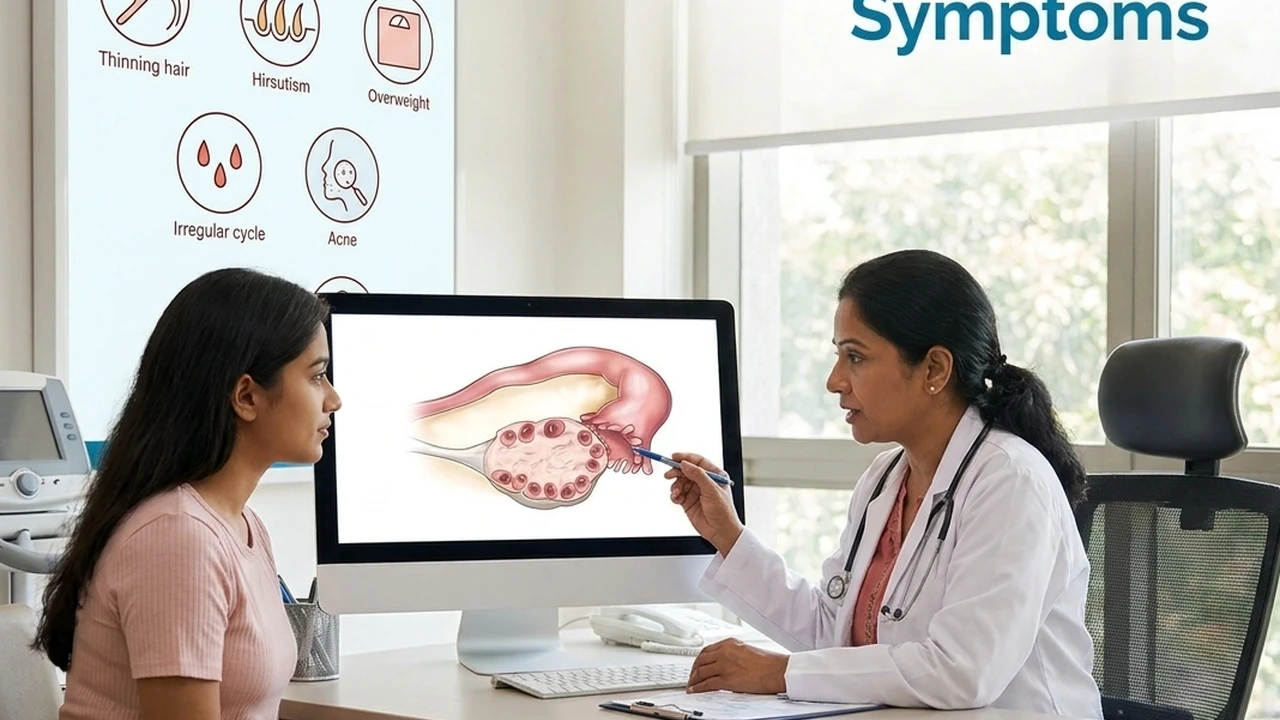
Maybe you have found yourself searching for answers: Why are my periods always so unpredictable? Why is it so hard to lose weight, even when I try everything? Why do I have to deal with acne or unwanted hair when others do not? If you have been told you might have PCOD or PCOS, or if you suspect it, you are not alone. Millions of women face these same struggles, often in silence, feeling overwhelmed, confused, and sometimes even blamed for something beyond their control. At Malpani Infertility Clinic, we meet women every week with these exact concerns, and we want to help you see that there are real solutions, and even more importantly, you do not have to face this journey alone.
What Is PCOD and PCOS?
PCOD (Polycystic Ovarian Disease) and PCOS (Polycystic Ovarian Syndrome) are names for a common hormonal disorder that affects 10-13% of women of reproductive age. They mean your ovaries have many small cysts (the word "poly" means many), and these cysts are the result of disrupted hormonal signals. This can lead to irregular periods, trouble with ovulation, excess male hormones (androgens), and often, infertility. Some women hear it called Stein-Leventhal syndrome, but whatever the name, the feelings of frustration and worry are all too familiar.
It is not just about your periods. PCOD can affect your skin, your hair, your weight, and even how you feel about yourself. Many women wonder why this is happening, whether it will ever get better, and what it means for their dreams of starting a family.
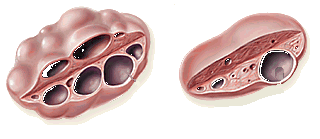 Fig 1. A schematic, comparing a polycystic ovary with a normal ovary.
Recognizing the Signs and Symptoms
PCOD and PCOS can look different for everyone. Some women have many symptoms, others only a few, and some almost none. That is why it is so important to listen to your own body and seek expert guidance when something feels off. Here are some of the most common ways PCOD can show up:
- Irregular, unpredictable, or heavy periods
- Difficulty getting pregnant (infertility)
- Unwanted hair growth on the face or body (hirsutism)
- Thinning hair or female-pattern baldness
- Acne or oily skin
- Weight gain, especially around the belly
- Darkening of skin in certain areas (like the neck or armpits)
Not every woman with PCOD is overweight, and not everyone with irregular periods has PCOD. Some women have what we call “occult PCOD”, they look healthy, have regular cycles, but struggle with fertility or recurrent miscarriages. It can be incredibly frustrating to be told, “Your tests look normal,” when you know something is not right.
Why Does PCOD Happen?
Doctors are still learning about all the causes behind PCOD, but we know that both genetics and modern lifestyles play a role. If your mother or sister has PCOD, your risk is higher. Hormonal imbalances, especially too much androgen and estrogen, disrupt how your ovaries work. This “vicious cycle” of hormones can be made worse by weight gain, since body fat itself produces hormones that interfere with ovulation.
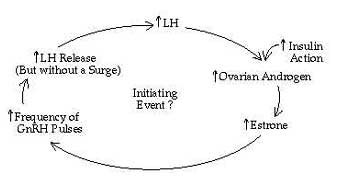 Fig 2. The self-perpetuating vicious cycle of elevated levels of androgens and estrogens in PCOD
Another big piece of the puzzle is insulin resistance. This means your body has trouble using insulin properly, leading to higher insulin levels in the blood, just like in some types of diabetes. High insulin can push your ovaries to make more androgens, making symptoms worse. Environmental factors and even gut health are now being studied as possible influences.
Many women wonder if PCOD is their fault, but science is clear: it is a medical condition with roots in genetics and biology, not personal failure.
How Is PCOD Diagnosed?
Getting a diagnosis can sometimes feel like a marathon, especially if your symptoms are subtle or doctors dismiss your concerns. At Malpani Infertility Clinic, we believe in listening closely to your story and using the right tests to get you clear answers.
- Medical History: We ask about your periods, symptoms, family history, and overall health.
- Blood Tests: Checking hormone levels, especially LH (luteinizing hormone), FSH (follicle-stimulating hormone), androgens like testosterone or DHEA-S, as well as insulin and glucose levels.
- Ultrasound: Looking for enlarged ovaries with multiple small cysts arranged in a “necklace” pattern.
Not everyone with PCOD has all the classic signs. Some women have normal-looking ovaries but show hormonal changes on blood tests or have symptoms like excessive hair growth or acne. A careful, experienced doctor is crucial to avoid missing the diagnosis, or making it when it is not truly there.
of women with PCOD worldwide remain undiagnosed, often because symptoms are mistaken for “normal” changes.
What Does Treatment Look Like?
The good news: while PCOD cannot be “cured,” it can be managed, and most women can achieve their dreams of becoming mothers with the right approach. Treatment is always tailored to your unique needs, your symptoms, your goals, and your comfort with different options.
- Lifestyle Changes: Even small, sustainable changes in eating and activity can dramatically improve symptoms. This is not about crash dieting, but about finding ways to support your body. A registered dietitian or weight-control specialist can help build a plan that works for you and your real life.
- Medications to Induce Ovulation:
- Metformin: Originally used for diabetes, this medication helps with insulin resistance and can restore more regular ovulation for many women. Some experience stomach upset, but newer options like myoinositol are often easier to tolerate.
- Clomiphene or Letrozole: These help your body release eggs if you are trying to conceive. If they do not work, injections of hormones (gonadotropins) may be needed, but require expert monitoring to avoid over-response.
- In some cases, other medications are combined to fine-tune your hormones and improve your chances.
- Surgical Options: For women who do not respond to medication and have certain ultrasound findings, a minimally invasive procedure called laparoscopic ovarian drilling can be considered. This should only be done by experts and only when truly needed, as unnecessary surgery can harm the ovaries.
- IVF (In Vitro Fertilization): If other treatments do not lead to pregnancy, IVF is a reliable option. At Malpani Infertility Clinic, our extensive experience allows us to carefully manage stimulation protocols, maximizing mature egg collection while minimizing the risk of ovarian hyperstimulation syndrome (OHSS). We have achieved excellent outcomes for women with PCOD who had previously struggled elsewhere.
What About the Emotional Side?
PCOD is not just a physical condition. The constant uncertainty, the impact on appearance, the strain on relationships, and the worry about fertility can all take a toll. Many women feel isolated, ashamed, or misunderstood. At Malpani Infertility Clinic, we want you to know:
- Your feelings are valid. It is normal to feel frustrated, sad, or anxious.
- You deserve support, from your doctor, your loved ones, and if needed, from counselors who understand women’s health.
- Getting proactive, compassionate care can restore hope and confidence, and help you regain control over your future.
Making the Right Choices for Yourself
If you suspect you have PCOD, or you have been diagnosed and are feeling overwhelmed, start by seeking advice from a doctor who listens and explains. At Malpani Infertility Clinic, Dr. Malpani and his team specialize in helping women understand their options. We are honest about what works, what does not, and how you can make the best decisions for your health and fertility, no matter where you are starting from.
You can find more information on fertility medications at this link. And if you need to understand more about intrauterine insemination or want to explore IVF for PCOD, our resources are open and honest, just like our care.
Frequently Asked Questions
Q: Can you have PCOD if you are not overweight?
A: Yes. Many women with PCOD are of normal weight or even thin. Symptoms and risks can vary widely, and the syndrome is not limited to those who are overweight.
Q: Is PCOD the same as PCOS?
A: These terms are used interchangeably. Both describe a pattern of hormonal imbalance and ovarian changes that can affect periods, fertility, and more.
Q: Does having PCOD mean I cannot get pregnant?
A: No. Most women with PCOD can become pregnant with the right treatment. It may take extra steps, but success rates are high, especially with expert care.
Q: What tests do I need to diagnose PCOD?
A: Diagnosis usually involves a careful history, blood tests for hormones and insulin, and a pelvic ultrasound. Not every woman will need every test, the approach depends on your symptoms.
Q: Can PCOD be cured?
A: PCOD is a lifelong tendency, but symptoms can be managed and fertility restored in most women. Early, tailored treatment makes a big difference.
Q: Are there risks beyond infertility?
A: Yes. PCOD increases the risk of diabetes, high blood pressure, cholesterol problems, and in some cases, endometrial cancer. That is why ongoing care is so important.
Q: What happens if medications do not work?
A: There are further options, including surgery and IVF. At Malpani Infertility Clinic, we help you navigate each step, so you never feel stuck or lost in the process.
Q: Will PCOD go away after menopause?
A: While some symptoms improve after menopause, PCOD is a metabolic condition and can continue to affect health. Ongoing checkups remain important.