
A complete guide on Cervical Mucus | How can problems with cervical mucus affect fertility ?

Maybe you have found yourself anxiously checking for that slippery, egg-white fluid every month, quietly hoping it appears on time. You have read about cervical mucus and its link to fertility, but every cycle, you worry: Is mine normal? Could this one detail be the reason I am struggling to conceive? If you have ever felt confused, frustrated, or even blamed yourself for what your body does (or does not) produce, you are not alone. Understanding cervical mucus can help you feel more in control on this emotional journey.
What Cervical Mucus Does For Fertility
Cervical mucus is not just another body fluid. Produced by tiny glands in the cervix, it is both gatekeeper and guide for sperm. During the first half of your cycle, rising estrogen transforms that mucus: it goes from sticky or dry to clear, stretchy, and slippery, often compared to raw egg white. This is what many call “fertile mucus.” Its main jobs:
- Helps sperm survive for days (not just hours) in the vagina
- Guides the best sperm up through the cervix to meet the egg
- Protects the uterus from harmful bacteria
At its peak, cervical mucus acts as a natural sperm reservoir, letting you conceive even if you do not time sex exactly on ovulation day.
After ovulation, progesterone makes mucus thicker and less abundant. It becomes a barrier that stops sperm from getting through. This is your body’s way of switching from “open for conception” to “closed for business.”
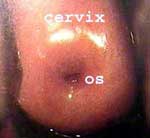 |
 |
|
Fig 1. Normal cervix |
Fig 2. Profuse cervical mucus |
How To Track Your Cervical Mucus
Many women feel unsure about how to monitor their cervical mucus, and what is “normal.” The truth is, every woman’s pattern is unique, but there are clear signs you can watch for:
- After your period: Days of dryness or minimal, sticky mucus (least fertile)
- Approaching ovulation: Mucus becomes creamier, then wet, slippery, clear, and stretchy
- Peak fertility: Last day of egg-white mucus, which usually means ovulation is close (often within 24 hours)
- After ovulation: Mucus thickens, becomes cloudy or sticky, and then may disappear
To check your mucus, simply notice what you see and feel at the vaginal opening each day. You do not need to check inside. The vulva is where the mucus is most easily observed and felt, a wet or slippery sensation means fertile days are here.
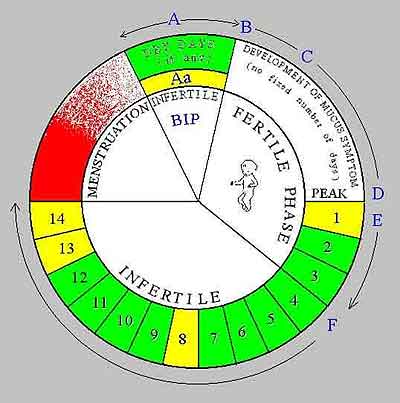
Fig 3. The Billing method calendar for charting cervical mucus. The period labeled “C” marks the fertile window.
Keeping a daily chart from the end of your period until your next bleed can help you identify your personal fertile window. Most women have about six days of peak mucus per cycle and up to twelve days when conception is possible, but this can vary with age and other factors.
When Cervical Mucus Becomes a Problem
It can feel deeply discouraging if you do not see that “textbook” egg-white mucus or you notice your mucus is always dry, scanty, or thick. Remember, for most couples, cervical mucus is rarely the main problem. But sometimes, it can play a role in fertility struggles. Here are some reasons why mucus might stop sperm:
- Not enough mucus to allow sperm to move easily
- Mucus is too thick or sticky, acting like a wall
- Mucus and sperm are not compatible, sometimes due to immune reactions
Factors that can worsen mucus quality include dehydration, smoking, certain medications (like some fertility drugs or antihistamines), and even stress.
Testing Cervical Mucus: What Really Matters
Most cervical mucus problems have no symptoms, so tests are needed if your doctor suspects a problem. Traditionally, doctors would:
- Examine the cervix and grade how open it is
- Assess mucus for its amount, stretchability, and “ferning” (crystal patterns seen under a microscope)
- Assign an overall mucus score
Healthy mucus is usually plentiful, can stretch several centimeters, and forms fern-like crystals when dried on a slide.
One old test, the post-coital test (PCT), involved examining mucus under a microscope a few hours after intercourse to see if sperm were present and moving well. While a positive result could be reassuring, a negative PCT could happen for many reasons, wrong timing, stress, ovulation issues, low sperm count, cervical infections, or even past cervical surgery. Some medications used for infertility can also make mucus less hospitable.
At Malpani Infertility Clinic, we do not routinely perform the PCT because it rarely changes the treatment plan and can create unnecessary anxiety.
Other, more specialized tests (like mixing mucus and sperm under a microscope to check compatibility) are rarely needed. If you are worried about your mucus, focus first on the basics: are you ovulating, and is intercourse timed to your fertile window?
What You Can Do About Poor Cervical Mucus
If poor cervical mucus is truly the issue, treatment depends on the cause:
- If you are not ovulating: Ovulation induction may help your body produce better mucus.
- If you have a chronic cervical infection: Treating or removing diseased tissue can allow healthy glands to recover.
- If mucus is thick: Over-the-counter expectorants (guaifenesin, found in cough syrups) are sometimes tried, but the evidence is weak. They may thin mucus if started a few days before your fertile window.
- If mucus is scanty: Sometimes, low-dose estrogen supplements can help, but only under medical guidance.
- For resistant cases: Intrauterine insemination (IUI) bypasses the cervix by placing sperm directly into the uterus.
If antibodies in the mucus are killing sperm, options are limited. Avoiding sperm contact (with condoms) for months is rarely used today. Steroids are not routinely recommended due to side effects. In some cases, IVF is the best way forward, antibodies in the cervix do not interfere with fertilization in the lab.
We meet many couples at Malpani Infertility Clinic who arrive feeling defeated because they have not seen “enough” fertile mucus or worry that their body is letting them down. Sometimes, all they need is clear, honest guidance and reassurance that the basics are on track. And if a real cervical factor is found, we help you choose the right next step, without wasting precious time or hope on outdated or ineffective tests.
Frequently Asked Questions
Q: What is cervical mucus and why does it matter for fertility?
A: Cervical mucus is a fluid produced by glands in the cervix. Around ovulation, it becomes clear, stretchy, and slippery, making it easier for sperm to survive and reach the egg. It is a sign of fertility but not the only factor that matters for conception.
Q: How do I check my cervical mucus?
A: Pay attention to what you see and feel at the vaginal opening each day. Look for slippery, clear, stretchy mucus as your most fertile sign. You do not need to check inside the vagina.
Q: What if I never see egg-white cervical mucus?
A: Some women produce less visible mucus, especially as they get older. If cycles are regular and you are ovulating, pregnancy is still very possible. Hydration, timing sex to your fertile window, and addressing ovulation issues are more important than the amount of mucus alone.
Q: Can medications affect my cervical mucus?
A: Yes. Some fertility drugs (like clomiphene), antihistamines, and decongestants can dry out or thicken cervical mucus. If you notice changes after starting a new medicine, speak with your doctor.
Q: Does poor cervical mucus mean I am infertile?
A: Rarely. Less than 5% of infertility cases are due to cervical mucus issues alone. Most often, ovulation, sperm, or tubal factors are more important.
Q: Are there treatments to improve cervical mucus?
A: Basic steps like staying hydrated, avoiding smoking, and treating infections may help. Some women try expectorants or estrogen supplements, but these should only be used under medical advice. If the problem persists, IUI or IVF may be options.
Q: Should I use special lubricants if I have vaginal dryness?
A: Yes, choose a lubricant labeled as sperm-friendly. Many regular lubricants and even saliva can harm sperm motility.