
Secondary Infertility- Caught Between Fertile And Infertile Worlds
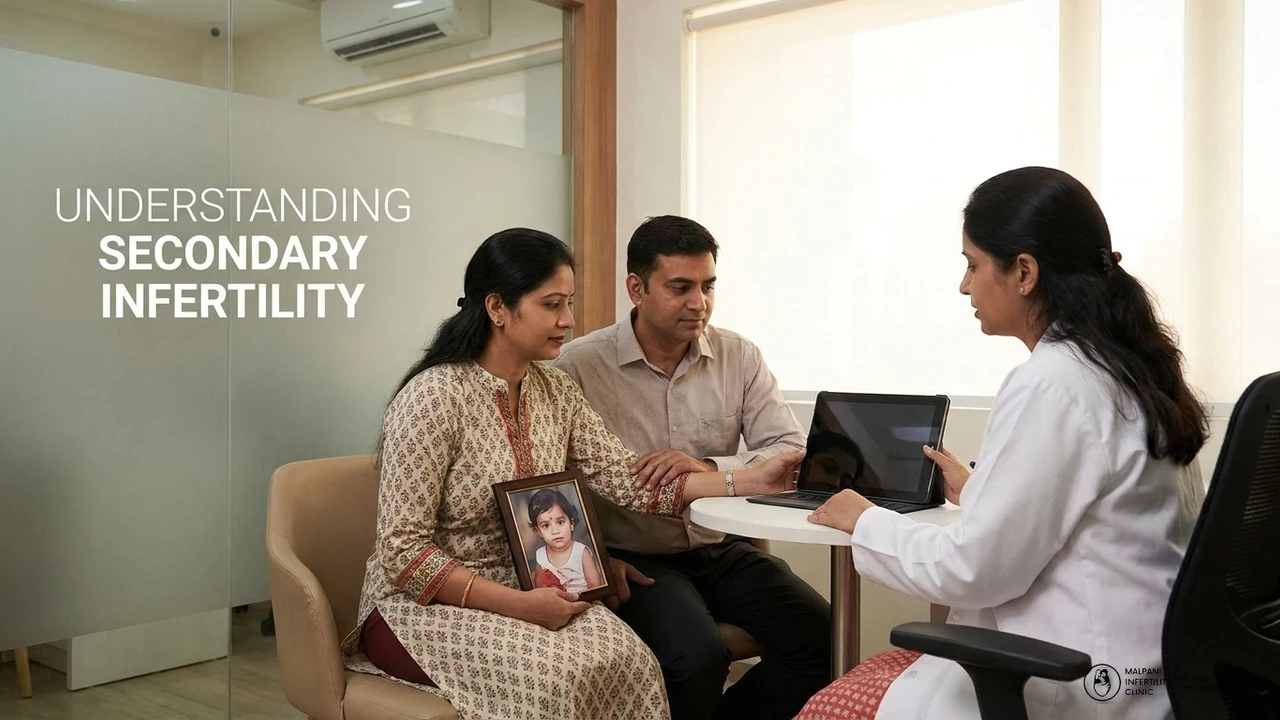
You thought getting pregnant again would be easy. After all, you already have a child. But every month that passes without a positive test can feel like a slap in the face: a reminder that something is wrong, but nobody around you understands why you still feel incomplete. Friends and family tell you to be grateful for what you have. But deep inside, you ache for another baby, and the confusion and loneliness only grow. If this sounds painfully familiar, you are not alone.
What Is Secondary Infertility?
Secondary infertility means struggling to get pregnant again after having one or more children in the past. It is far more common than most people think. In fact, nearly half of all infertility cases seen at our clinic involve couples who already had a baby but now find themselves unable to conceive again.
The causes of secondary infertility are often the same as those for couples who have never had a child: problems with sperm, blocked fallopian tubes, endometriosis, or issues with ovulation. But there is one crucial difference: age. You and your partner are older now, and time is no longer on your side. Egg and sperm quality naturally go down with age, making conception harder with each passing year.
The Emotional Weight No One Sees
Secondary infertility is an invisible struggle. You are stuck between two worlds: not quite “infertile” in the eyes of others, but not comfortably “fertile” either. This in-between space can feel isolating.
People often say you should be happy with one child, but that does not erase the pain of longing for another.
Your pain may be dismissed by well-meaning friends or even other people facing infertility, who wish they had your “problem.” You may even feel guilty for wanting more, or for feeling your family is incomplete. Sometimes, guilt can go deeper, especially if you had an abortion after your first pregnancy and now struggle to conceive again. Many parents also feel guilty for not giving their child a sibling, or worry about the pressure their child feels when others ask about “when the baby brother or sister will come.”
Some parents become overprotective of their only child or pour all their hopes and dreams into them, which can bring its own challenges. Meanwhile, every playground conversation or school gathering can sting, especially when someone innocently asks, “When will you have another?”
For many, these emotions are made worse by uncertainty: you wonder if you really have a problem or if you just need to be patient. You might keep trying, month after month, hoping for another stroke of luck.
Why Does Secondary Infertility Happen?
There are many reasons you may be struggling to have another child, even if you had no trouble before. Here are some of the common factors:
- Age: As women grow older, both the number and quality of eggs decrease. Men’s sperm quality can also drop with age or due to changes in health.
- Changed health status: Conditions like endometriosis, PCOS (polycystic ovary syndrome), fibroids, or thyroid issues can develop over time, even if they were not present before.
- Blocked tubes or uterine issues: Previous surgeries, infections, or even a C-section can sometimes cause scar tissue that affects fertility.
- Male factors: Sperm count and quality can be affected by age, lifestyle, new medications, or even increased stress and weight gain.
- Lifestyle changes: Significant weight gain, new medications, or changes in health habits (such as smoking or alcohol intake) can impact both male and female fertility.
Even if nothing obvious has changed, subtle shifts in health or hormone levels can tip the balance against easy conception after the first child.
Testing and Treatment: What Are Your Options?
The good news is that secondary infertility is treatable, and couples who seek help often have similar chances of success as those facing infertility for the first time. At Malpani Infertility Clinic, we believe in a practical, no-nonsense approach: start with the simplest solutions first, and only move to more involved treatments if needed.
Here is what a typical path might look like:
- Basic investigations: Blood tests for hormones, ultrasound scans to check the ovaries and uterus, and a semen analysis for the male partner.
- Advanced diagnostics if needed: Tests for blocked tubes, more detailed hormone testing, or a look at egg reserve and sperm DNA quality.
- Treatment options: These might include ovulation induction (medicines to help eggs mature), intrauterine insemination (IUI), or in some cases, IVF (in vitro fertilization), where eggs and sperm are brought together outside the body.
The right treatment depends on what is found in the tests. Many couples conceive with basic interventions and reassurance. Others need more advanced procedures, especially if age or other factors are limiting fertility.
About half of infertility cases involve couples who already have a child but struggle to conceive again.
It is also important to involve your partner in decisions about treatment. Sometimes, couples are not on the same page about how far they want to go. Honest conversations, with support from an experienced doctor, can help avoid resentment or regret down the road.
Real-Life Challenges: Telling Your Child, Managing Costs, and Exploring Options
Having a child at home changes the experience of infertility treatment. You might wonder what to tell your child about doctor visits or medical procedures. Some parents worry that the time, energy, and money spent on treatment means less for the child they already have.
Financial costs are a real concern. At Malpani Infertility Clinic, we are committed to being transparent about costs and helping you understand your options, so you can decide what feels right for your family.
Some couples consider adoption, but this too comes with its own set of emotional questions, such as worries about favoritism or how an adopted child might fit into the family dynamic. There is no “right” answer, only what is right for you and your loved ones.
You Are Not Alone, And There Is Hope
Secondary infertility is just as real and valid as primary infertility. It is not your fault, and you do not have to suffer in silence. Sharing your feelings with your partner, and finding a doctor who will listen without judgment, can make a big difference.
At Malpani Infertility Clinic, we believe in giving you all the facts, without sugarcoating or false promises. Understanding your options is the first step to making the best decision for your family. If you feel stuck or unsure, reach out to an expert who will respect your journey and help you find the right path forward.
Frequently Asked Questions
Q: What is secondary infertility?
A: Secondary infertility is the inability to get pregnant again after having one or more children in the past, despite regular unprotected intercourse for a year (or six months if the woman is over 35).
Q: Why can I not get pregnant a second time if I had no trouble before?
A: Factors like age, changes in health, new health conditions, blocked tubes, reduced egg or sperm quality, or lifestyle changes can all affect your fertility, even if your first pregnancy was easy.
Q: How long should we try before seeking help from a doctor?
A: If you are under 35, consider seeing a specialist after a year of trying. If you are 35 or older, seek help after six months. If you have a known issue (like irregular periods, previous surgery, or male factor concerns), do not wait, get checked sooner.
Q: Is treatment for secondary infertility successful?
A: Many couples successfully conceive after treatment for secondary infertility. The right approach depends on the underlying cause, but success rates are often similar to those for couples with no previous children.
Q: How do I handle questions from family or friends about having another child?
A: It is okay to set boundaries and use simple responses like, “We are focusing on our family right now.” You do not owe anyone your private story unless you want to share it.
Q: Does having a C-section make it harder to get pregnant again?
A: Sometimes, scar tissue from a C-section can affect fertility, but most women can conceive again without problems. If you have concerns, a fertility specialist can run tests to check for issues.
Q: What if my partner is not sure about pursuing treatment?
A: Many couples feel differently about seeking treatment. Open, honest conversations with each other, and with your doctor, can help you find common ground that respects both partners’ feelings.