
Using Donor Sperm - TID. Therapeutic Insemination by Donor
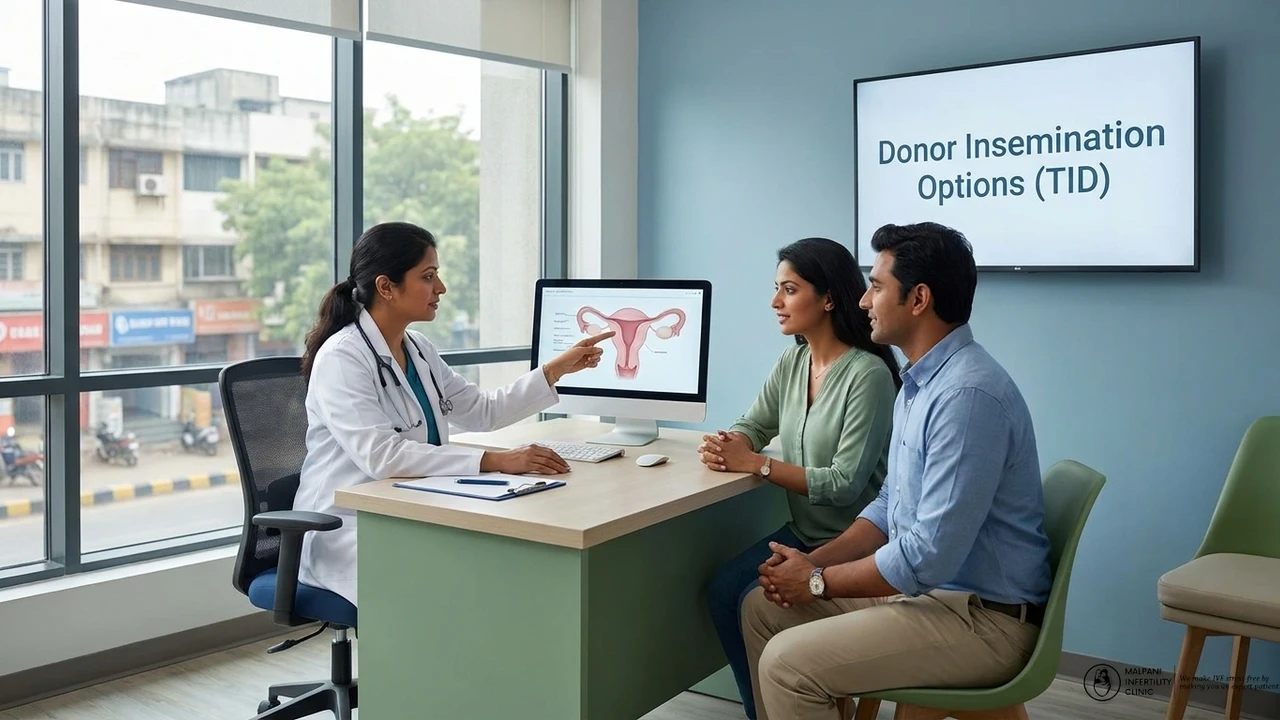
If you and your partner have been told that using donor sperm is your best chance of having a baby, you are not alone in feeling confused, anxious, and even a little heartbroken. Many couples who come to Malpani Infertility Clinic find themselves wrestling with the same worries: Will this child feel like ours? Will people judge us? Is this really the right path for our family? You may even feel a sense of loss, disappointment, or guilt. If any of this sounds familiar, take a deep breath. These feelings are normal, and with the right information and support, you can make a choice that’s right for you and your family.
What Is Donor Insemination?
Donor insemination (sometimes called TID: Therapeutic Insemination by Donor) is a medical treatment where sperm from an anonymous donor is used to help a woman become pregnant. This option is usually considered when the male partner has no sperm, very low sperm count, carries a genetic condition, or when other fertility treatments like IVF or ICSI have failed or are out of reach financially.
At Malpani Infertility Clinic, we understand that deciding to use donor sperm can feel overwhelming. Some couples turn to TID as a first option because it’s less invasive and more affordable compared to advanced treatments. Others come to it after years of emotional and financial strain, when nothing else has worked. No matter how you get here, it’s a big step, and you deserve clear, honest guidance.
- TID is a well-established, safe way to treat male infertility.
- It can also help couples avoid passing on genetic diseases.
- Single women and same-sex female couples may also choose TID to build their families.
Facing the Emotional Realities
Let’s be honest: no one grows up dreaming of needing donor sperm to have a child. The decision often comes after months or years of testing, failed treatments, and heartbreak. The emotional weight can be heavy, sometimes heavier than the medical facts themselves.
Coming to terms with needing donor sperm is not about giving up, but about finding a new way to become parents.
For many men, the idea of using another man’s sperm can feel like a personal loss or even a threat. Questions about masculinity, fatherhood, and what it means to be a “real” parent are common and deeply personal. Some men experience feelings of inadequacy, jealousy, or fear that they won’t bond with the child.
Women, on the other hand, may feel guilt or resentment, especially if they are the ones undergoing the physical side of treatment for a problem that isn’t “theirs.” There may also be anxiety about carrying a baby conceived from an anonymous donor, and a sense of isolation because this is not something easily shared, even with close friends or family.
- Should you tell friends or family?
- How will you explain time away from work for treatments?
- Will your relationship remain strong and intimate?
- What happens if you and your partner disagree about using donor sperm?
These are all real concerns. At Malpani Infertility Clinic, we encourage open, honest conversations between partners, and offer counseling so you never feel alone as you sort through these emotions. Remember, taking time to talk, listen, and support each other is just as important as the medical steps.
Who Are Sperm Donors?
Understandably, many couples worry about who the donor is. Are donors just faceless strangers? The reality is much more reassuring. Sperm donors are healthy men, aged 20 to 40, usually with a good educational background and no family history of illness. Each donor undergoes a thorough screening, including:
- Medical and family history check
- Blood tests for HIV, hepatitis, and other infectious diseases
- Genetic testing
- Physical examination
- Semen analysis for count and motility
Only samples with superior quality, count over 100 million and motility above 70%, are accepted. Donors are paid only a small amount above travel expenses. Most do it for altruistic reasons, hoping to help others experience the joy of parenthood.
There are strict limits on the number of children one donor can create, and clinics like ours ensure that offspring are scattered geographically to avoid half-siblings unknowingly meeting later in life.
Why Frozen Sperm Is Safer
Some people ask: why not use a fresh semen sample from a friend or relative? While this can seem convenient, there are serious risks, emotionally, legally, and medically. With known donors, relationships can become complicated, and you may end up relying on someone else’s discretion for your family’s privacy. There’s also no way to thoroughly test fresh samples for infectious diseases or match physical traits as closely.
At Malpani Infertility Clinic, all donor sperm is frozen and stored for at least six months (the quarantine period). Only after the donor is retested for infections, and the sample is confirmed safe, is it released for use. This significantly reduces any risk of transmitting infections such as HIV or hepatitis.
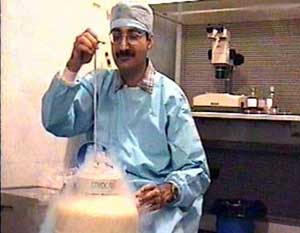 Fig 1. Sperm being frozen in liquid nitrogen
- Frozen samples can be matched for physical traits like height, skin tone, hair and eye color, and blood group.
- Samples are always available, so there is no scheduling pressure or risk of last-minute donor problems.
- Quality is monitored before and after freezing to ensure the best chance of success.
The Donor Insemination Process
Here’s what you can expect if you choose TID at Malpani Infertility Clinic:
- Counseling and Consent: Both partners are counseled together, and you’ll sign a consent form before starting. This is your chance to ask questions and explore your feelings.
- Testing: We confirm that at least one of the woman’s fallopian tubes is open (with a simple test like a hysterosalpingogram or laparoscopy).
- Ovulation Tracking: The woman may be prescribed medicines to help her ovulate. We use daily vaginal ultrasounds starting from day 11 of the menstrual cycle to pinpoint when the egg is ready.
- Matching and Preparation: The donor sample is chosen to closely match the husband’s physical characteristics. The sample is thawed and checked under a microscope for healthy, active sperm.
- Insemination: The donor sperm is gently injected into the cervix using a soft plastic tube. The procedure is quick and nearly painless, the patient rests for 10 minutes, and then can go home. The husband is encouraged to be present, and in some cases, may even do the insemination himself if he wishes, so both partners feel involved.
After insemination, there’s a two-week wait to see if pregnancy occurs. This period can be emotionally tough, swinging between hope and fear. We’re here to support you during this time.
Chance of pregnancy after six cycles of TID in women aged 25
Success rates depend on the woman’s age and fertility health. For example, a healthy 25-year-old woman has about a 10% chance of pregnancy per cycle, adding up to about 60% over six cycles. For women over 38, the chance drops to about 20% over the same period. Patience and realistic expectations are important.
Once pregnant, everything proceeds as a normal pregnancy. The risks of miscarriage or birth defects are no higher than for any other pregnancy. All identities are kept strictly confidential, and you decide if, when, and how to share your child’s origins.
Understanding Sperm Banking
Sperm banking is not just for donor insemination. At Malpani Infertility Clinic, we also freeze and store sperm for:
- Husbands who cannot produce a sample on the day of treatment due to stress or travel
- Men with fluctuating sperm counts, so we can use their best samples
- Men about to undergo cancer treatment, preserving their chance of fatherhood later
Knowing a frozen sample is available often relieves pressure and may even help a man produce a fresh sample when needed.
Common Challenges and Honest Advice
Let’s not sugarcoat it: the journey to parenthood with donor sperm can bring up tough questions and tough days. Some couples struggle with whether to tell family or friends, or even the child, about their conception. Others feel the strain of keeping secrets, scheduling treatments, and maintaining intimacy in their relationship. There may be disagreements about moving forward, or lingering fears about bonding with the child.
It’s okay to have doubts and fears. What matters is how you face them together and what you choose for your future.
At Malpani Infertility Clinic, we never push you toward any decision. Instead, we give you all the facts, medical, emotional, and practical, so you can make the choice that feels right for you. If you’re struggling to decide, or just want to talk through your options with someone who truly understands, our door is open. Sometimes a single honest conversation can bring the clarity you need.
Frequently Asked Questions
Q: Is using donor sperm safe?
A: Yes. At Malpani Infertility Clinic, all donor sperm samples are frozen, quarantined for at least six months, and thoroughly tested for infectious diseases and quality before use.
Q: Will my child know they were conceived with donor sperm?
A: This is your decision. Many Indian parents choose not to disclose this information, while others prefer openness. We can help you consider the pros and cons in your family’s context.
Q: Can I choose a donor who looks like my husband?
A: Yes. We do our best to match the donor’s physical characteristics, like height, complexion, hair and eye color, and blood group, to those of your husband.
Q: What are the chances of success with TID?
A: For a healthy woman under 30, about 10% per cycle, and up to 60% after six cycles. Age and fertility health affect your individual chances.
Q: Is it better to use a known donor?
A: Using a known donor may seem appealing, but it brings legal, emotional, and privacy risks. We strongly recommend using anonymous, screened donors for your family’s safety and peace of mind.
Q: How do I cope with the emotional challenges?
A: It’s normal to feel anxious or conflicted. Talking openly with your partner and seeking support from experienced counselors at Malpani Infertility Clinic can make a big difference.