
Child free living - Life without children
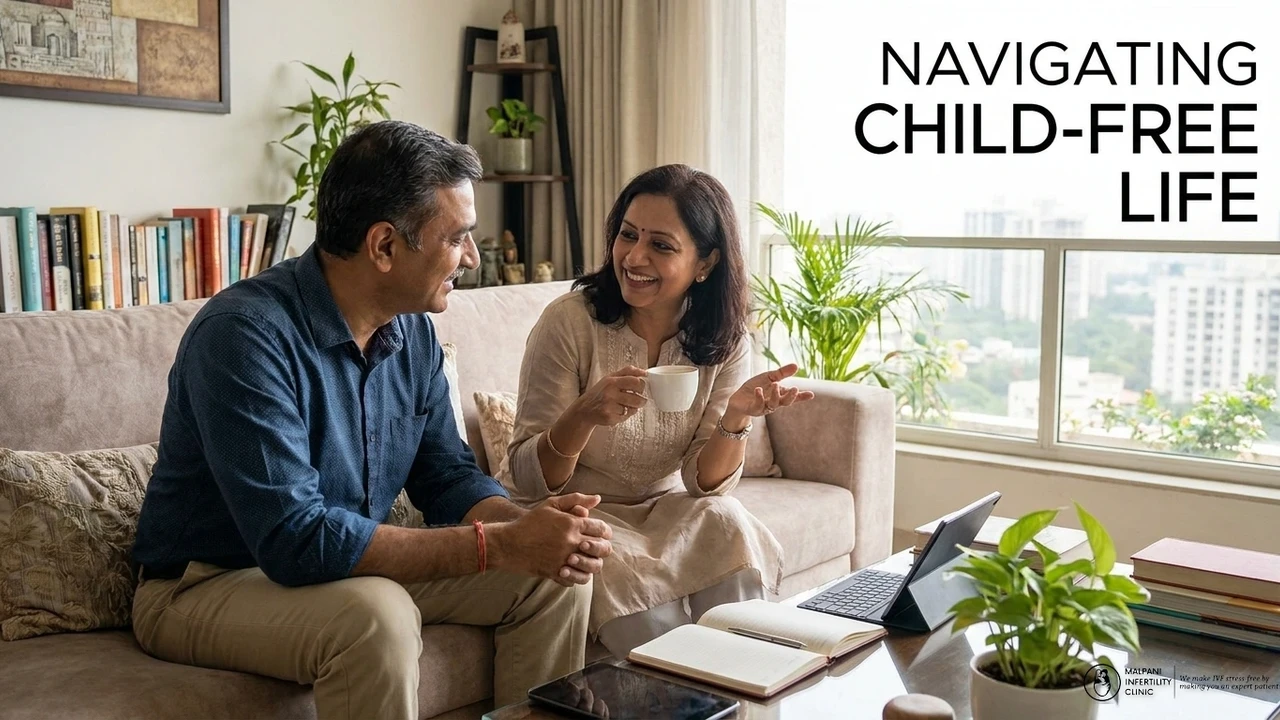
Have you ever felt like your life is stuck in a waiting room, while everyone else’s lives move forward? If you’ve spent years hoping, trying, and fighting for a child, only to reach a point where that dream may not come true, you’re not alone. The decision to consider a life without children after infertility is one of the most private, difficult, and yet strangely liberating crossroads a person can face. If you’re reading this, you might be wrestling with the same questions, fears, and possible new beginnings. We’re here to talk honestly about what that life can look like, and how you can find joy and purpose even when the road takes an unexpected turn.
What Does It Mean to Live Childfree?
Choosing a childfree life is not the same as having childlessness forced upon you. For some, it’s a decision reached after years of treatments and heartbreak. For others, it’s a conscious choice from the start. No matter how you arrive here, remember: you are allowed to pause, grieve, and then choose what your next chapter looks like.
Infertility can feel like a marathon with no finish line in sight. So many couples find themselves in a cycle of hope, loss, medical appointments, and difficult conversations. The idea of stepping off that exhausting path might feel terrifying at first. But for many, accepting a life without children is a way to reclaim control and rediscover the parts of life that have been put on hold.
One of the biggest worries people express is, “Will I regret this decision when I’m older? Will I end up lonely?” In India, children are often seen as a source of security in old age. But the reality is, children are not a guarantee against loneliness, and they can bring their own challenges. The relationships and legacy you create in your life are not limited to children alone.
Letting go of the pursuit of parenthood doesn’t erase your story. It’s the beginning of a new one, shaped by your choices, interests, and connections.
Facing the Emotional Truth
Let’s be real: coming to terms with living childfree is rarely straightforward. There’s no universal “right” way to process the grief of infertility or the loss of the future you had imagined. Some days, you might feel strong and optimistic. On others, the sadness or anger might resurface unexpectedly. This is all normal, and it’s important to give yourself permission to feel every emotion, even the uncomfortable ones.
- There’s no timeline for acceptance. Some reach it during treatment, others only after stepping away.
- Your way of coping is unique to you. Some find solace in journaling, therapy, or sharing their story. Others need quiet, private time.
- It’s okay to feel angry, frustrated, or even relieved. There’s no one to blame.
- Let yourself grieve, and don’t bottle up your emotions. Talking, writing, or even crying can help lighten the burden.
- Remember that others have walked this path and gone on to build happy, meaningful lives.
Society can make you feel “different” or “less than” for not having children, especially in cultures where family is everything. But your worth is not defined by parenthood. As you move forward, you’ll find that building a new identity, one not centered on being a parent, is a powerful way to heal and grow.
Rediscovering Yourself and Each Other
What happens when you stop measuring your life in baby milestones? Many couples find that, after years focused on treatments and uncertainty, they finally have space to reconnect as partners and as individuals. This can be a time to rediscover the dreams and joys you left behind, or to find new ones.
- Travel together, or on your own. Childfree living offers a freedom many parents envy.
- Dive into a hobby or skill you always wanted to explore. Whether it’s art, music, sports, or something else, your time is yours again.
- Build deeper friendships, or nurture relationships with nieces, nephews, or friends’ children.
- Invest in your career or community, your energy and resources can make a real difference.
- Volunteer with children’s organizations, or care for pets and plants if you have a need to nurture.
Don’t underestimate the simple joys, either: lazy Sunday mornings, spontaneous date nights, or saying “yes” to adventures on a whim.
couples experience infertility. You are not alone in facing this crossroad.
Some couples find it healing to mark the end of their treatment journey with a special holiday or celebration, a symbolic start of a new chapter.
Making Peace with Your Decision
Acceptance doesn’t mean forgetting your longing for a child. Your experiences, hopes, and disappointments will always be part of you. Over time, the intensity of those feelings can soften, and you may find a sense of freedom in creating a life that reflects who you are now.
It can help to ask yourself, and your partner, honest questions:
- What drew you to the idea of parenthood in the first place?
- What would life look like without a child? What would you miss? What else might bring you joy or fulfillment?
- Before you started trying, what made you happy? What did you dream about? What did you look forward to?
- Are there new ambitions or passions you want to explore?
Your answers might surprise you. Creating a new identity is about building self-esteem and accepting that your life can be rich and rewarding, even if it looks different than you imagined.
Finding Your Community and Support
Even years down the line, you may face awkward questions or unkind assumptions about your life. Some people may never understand, but you don’t have to explain yourself to anyone. What matters is finding people who “get it”, whether that’s a close friend, a support group, a therapist, or even a community of others who have chosen (or found themselves living) childfree.
At Malpani Infertility Clinic, we believe that every path deserves respect, and every person deserves compassionate, honest guidance. If you’re struggling with the idea of moving forward without children, or if you just need someone to help you sort through your feelings and options, you’re not alone. Sometimes, a conversation with someone who truly understands can help you see new possibilities that may have felt invisible before.
Frequently Asked Questions
Q: How do I know if living childfree is right for me?
A: There is no universal answer. Some people arrive at this decision after exhaustive treatments, others by choice. What matters is that you and your partner reach a place of honest acceptance, and feel able to build a life that feels meaningful to you.
Q: Will I regret not having children when I’m older?
A: It’s natural to worry about future regrets. Many people find that investing in relationships, community, and passions brings unexpected fulfillment. Children are not the only path to legacy or companionship.
Q: How can I cope with grief and sadness about not having children?
A: Give yourself permission to grieve, and seek support if you need it. Talking, writing, therapy, or creative outlets can all help. Healing takes time, and the intensity of sadness often softens with new experiences and purpose.
Q: How do I handle social situations or questions about not having kids?
A: You are not required to explain your choices to anyone. Many childfree people create their own responses or set boundaries. Finding others who understand your journey can provide comfort and confidence.
Q: Can I still have a meaningful life without children?
A: Absolutely. Many people find new ways to create legacy, give love, and find joy through careers, friendships, travel, volunteer work, creativity, and nurturing other relationships or interests.