
Infertility and Sexuality
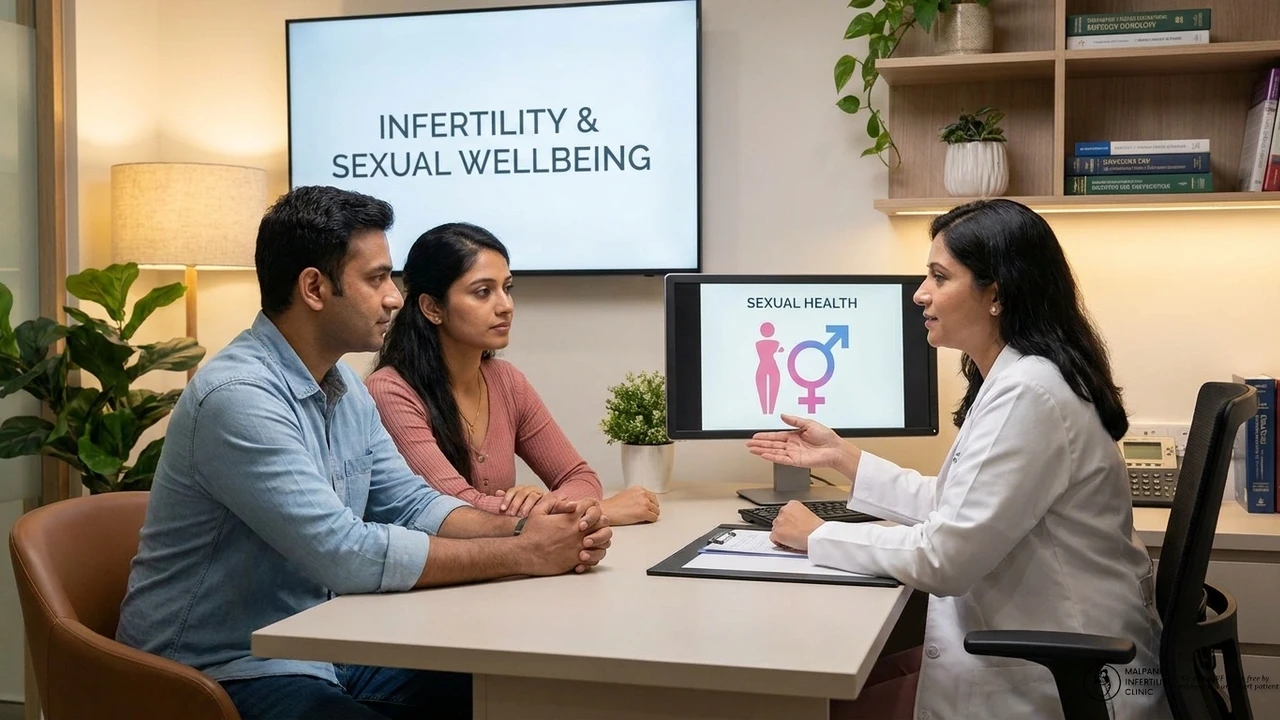
If you have been trying to have a baby for months or even years, you know how quickly sex can shift from being a private, joyful connection to a source of stress and sadness. Maybe you once looked forward to romantic evenings, to spontaneous moments of affection. Now, calendars, temperature charts, and ovulation kits dictate your intimacy. If sex has started to feel like a chore or a test you are failing, you are not alone. Infertility is a deeply personal struggle, and its impact on sexuality cuts right to the heart of your sense of self, and your relationship.
When Sex Becomes a Task, Not a Pleasure
Infertility changes how couples relate to each other in ways no one prepares you for. At first, the shared hope of building a family can bring you closer, inspiring a deeper sense of partnership. But as months pass and negative pregnancy tests stack up, the bedroom starts to feel less like a haven and more like the site of repeated disappointment.
Many women describe feeling “less of a woman” when their bodies do not conceive as expected. Men often carry a hidden burden of shame, seeing themselves as “less of a man” or even a “failure,” especially in cultures that tie masculinity to fatherhood. The emotional pain is tangled up with self-worth and can even lead to feeling unattractive or broken inside.
Sex can lose its intimacy and joy, becoming just another step in a medical process, one more thing to schedule, track, and report.
What nobody tells you is that these emotions are normal. The grief of infertility is real and can involve mourning not just for a baby, but for lost dreams, imagined futures, and even your own sense of identity. At Malpani Infertility Clinic, we see how these silent hurts can echo in every corner of a couple’s life, including their most private moments.
Common Moments When Sexuality Takes a Hit
There are certain stages in the infertility journey when sex is hardest to enjoy. Recognizing these can help you understand your own feelings better, and maybe feel a little less alone.
- The Trying Phase: The first year is supposed to be filled with hope, but each passing month of “not yet” chips away at confidence. Sex becomes timed, anticipated, and sometimes dreaded, especially if one or both partners start to feel like their only value is reproductive.
- Investigations and Diagnosis: Medical tests quickly turn the private act of lovemaking into public data points. Basal body temperature charts, semen analysis, and post-coital tests can leave couples feeling exposed, judged, and even more anxious. Bringing charts to the doctor can feel like submitting a report card, did we “pass” this month?
- Treatment: Starting IVF, IUI, or donor programs brings new hope, but also more intrusion. Instructions about when to abstain, when to try, or how to provide samples can make intimacy feel medical, not magical. The emotional rollercoaster of treatments, with their low-per-cycle success rates, can sometimes make couples feel even more disconnected.
- Menopause: For women facing infertility, menopause can feel like a final closing of the door, forcing another round of grief and questions about identity, attractiveness, and self-worth.
Inside the Experience: Real Voices, Real Pain
Nothing captures this struggle better than the words of those who have lived it:
- “I saw the blood today. I feel weak and tearful. All the strength I thought I had just seems to have drained away...For many women menstruation is a sign of femininity and potential for motherhood. All it signifies to me is my failure.”
- “After my pelvic surgery, the doctor said it looked like a little kid had been let loose with a pot of glue and stuck everything together. I am ugly on the inside and pretty on the outside. I would gladly have the reverse if it would make me a baby.”
- “There is no inner recess of me left unexplored, unprobed, unmolested. What used to be beautiful and private is now degraded and very public.”
- “I never think she wants to have sex with me for me. I think I’m just a sperm machine. Sex has become a means to an end.”
These are not rare feelings, they are painfully common, yet rarely discussed openly.
of women facing infertility experience sexual difficulties that cause emotional distress. You are not alone in this struggle.
How Medical Procedures and Tests Can Invade Your Intimacy
The journey through fertility treatments is often much more invasive than couples expect. From charting your temperature every morning to providing semen samples in sterile, uncomfortable clinic rooms, every step can feel like it strips away another layer of privacy and spontaneity.
For many men, the pressure to “perform on demand”, sometimes in an unfamiliar or clinical setting, can cause anxiety, temporary impotence, or a sense of humiliation. Women, on the other hand, may struggle with the constant monitoring of their cycles, injections, scans, and the knowledge that their most intimate moments are being dissected and discussed by a team of doctors.
Even after all this, couples often hesitate to share the full extent of their struggles with their doctors, worried it will reflect badly on their relationship. At Malpani Infertility Clinic, our doctors encourage openness, because only by understanding every aspect of your life, including your intimacy, can we offer the best support and advice.
What You Can Do to Cope and Reclaim Connection
While infertility can challenge your sexuality, it does not have to destroy it. Here are practical, compassionate steps you can take to find your way back to each other:
- Let Go of the Schedule: When possible, have sex outside the “fertile window” just for pleasure and connection. This helps take the pressure off and reminds you that intimacy is more than just a means to an end.
- Expand Your Definition of Intimacy: If intercourse is off the table during treatment, remember that affection, touch, and mutual pleasure can still keep you close. Sometimes a romantic holiday or even just a cuddle on the couch can be healing.
- Talk Openly: Share your feelings of frustration, guilt, or sadness with each other, or with a trusted counselor or support group. Bottling up these emotions only increases the sense of isolation.
- Take Breaks When Needed: It is okay to pause charting or to step back from treatment for a while to focus on your relationship. Your well-being comes first.
- Seek Expert Guidance: If sexual difficulties persist, do not hesitate to discuss them with your doctor. At Malpani Infertility Clinic, we are not here to judge, but to help you find solutions that respect your dignity and your relationship.
Infertility is a crisis, but it can also be a turning point, an opportunity to deepen your bond and rediscover what brought you together in the first place.
When to Reach Out for Support
If you are feeling overwhelmed, ashamed, or disconnected in your relationship, you do not have to face this alone. It is normal for your sex life to change during infertility, but that does not mean you should suffer in silence. Whether you need practical advice, emotional reassurance, or just someone to listen, Malpani Infertility Clinic is here to help you make better choices for your unique situation. Sometimes a simple conversation with an expert can open up new possibilities and relieve long-held worries.
Frequently Asked Questions
Q: Why has my sex life changed so much since we started trying for a baby?
A: Infertility brings stress, disappointment, and medical routines that can turn sex from a source of pleasure into a source of pressure. This is extremely common and nothing to be ashamed of, the emotional toll of “trying” is real and affects both partners.
Q: Is it normal to feel less attracted to my partner or myself during infertility?
A: Yes, many people experience decreased self-esteem, body image issues, or even resentment towards themselves or their partner. These feelings often stem from grief and frustration, not from a lack of love or attraction.
Q: Can I still enjoy intimacy during fertility treatments?
A: Absolutely. While some treatments require abstinence from intercourse, you can still express affection and enjoy intimacy in other ways, touch, cuddling, or finding new ways to connect without performance pressure.
Q: How do I talk to my doctor about sex and emotional struggles?
A: Be honest with your doctor about any difficulties. At Malpani Infertility Clinic, our team is experienced in supporting both the medical and emotional challenges of infertility. Your concerns are valid and deserve to be heard.
Q: Should we see a counselor or join a support group?
A: Many couples find relief in speaking with professionals or connecting with others who understand their situation. Support groups and counseling can help you process feelings, communicate better, and find practical strategies for coping.
Q: Will things ever go back to normal after infertility?
A: Your relationship will change, but many couples find that facing challenges together can strengthen their bond in the long run. With support and open communication, intimacy and joy can return, even if it looks different than before.