

Are You Being Misled About Your Fibroids?
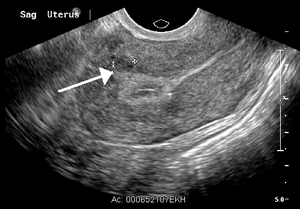
- Uterine fibroids are extremely common and almost always non-cancerous, with less than 1 in 1,000 ever becoming cancerous.
- Most fibroids cause no symptoms and are often discovered incidentally during routine exams or ultrasounds.
- The vast majority of women with fibroids can get pregnant and have healthy pregnancies, as fibroids rarely affect fertility.
- Small fibroids usually do not require treatment and can often be safely left alone unless they cause significant symptoms.
“You have a fibroid.” If those words have left you anxious, confused, or even a bit lost, you are not alone. Most women will hear something similar at some point. For many, the word “tumor” feels heavy and frightening. But in reality, uterine fibroids are far more common, and often less dangerous, than you might think. The real problem is not always the fibroid itself, but the confusion and unnecessary worry that surrounds it.
What Are Fibroids, Really?
Fibroids are growths that form from the muscle tissue of the uterus. They are the most common type of benign (non-cancerous) tumor in reproductive-age women. In fact, up to 70-80% of women will develop fibroids during their lifetime. Some women may have just one, others may have several. These growths can be as tiny as a seed or as large as a grapefruit, but most are small and cause no trouble at all.
Most importantly: fibroids are almost always harmless and are not cancerous. Just because the word "tumor" is used does not mean you have cancer. Less than 1 in 1,000 fibroids ever become cancerous, and having fibroids does not increase your cancer risk.
How Are Fibroids Found?
Advances in medical technology mean that fibroids are being detected more than ever before. Even a routine ultrasound can pick up a fibroid as small as 1 cm, about the size of a pea. Sometimes, a report will mention a “10 mm fibroid” and the bold print can make it sound like a serious problem. But the truth is, most of these tiny fibroids are silent passengers, discovered only because we now have tools that can spot even the smallest changes in the uterus.
Doctors may find fibroids through:
- Pelvic exams: Sometimes a doctor can feel a fibroid during a routine check.
- Ultrasound scans: This is the most common way. The scan uses sound waves to create images of your uterus and spot fibroids of all sizes.
- MRI: This is sometimes used if more details are needed, such as the number, size, or exact location of fibroids.
Do Fibroids Always Cause Problems?
This is where many women find themselves overwhelmed by myths and half-truths. The reality is:
- Most fibroids do not cause symptoms at all. Many women live their entire lives without knowing they have them.
- When symptoms do occur, they can include heavy or prolonged periods, pelvic pain or pressure, frequent urination, constipation, back pain, or pain during sex. But these symptoms are not unique to fibroids, they can be caused by many other conditions, too.
- Fibroids do not always cause infertility. The vast majority of women with fibroids can get pregnant and carry a baby without trouble. Only in rare cases, depending on the size or location of the fibroid, can fertility be affected. Even then, there are often ways to work around the fibroid or remove it if needed.
What Nobody Tells You: Most Fibroids Can Be Left Alone
It is natural to worry when a scan or a doctor’s report finds something unexpected. But here’s what most clinics won’t say: Just because a fibroid is found does not mean it needs to be treated. In fact, overtreatment of fibroids is becoming a problem, driven by clever marketing or fear rather than real medical necessity.
Many hospitals and clinics are quick to offer the latest technologies, like minimally invasive surgery or treatments such as High-Intensity-Focused-Ultrasound (HIFU), sometimes even when it is not needed. Advertisements may promise a quick fix for “pelvic pain or heavy bleeding,” but they rarely mention that most fibroids are harmless. This can lead to unnecessary procedures, more stress, and sometimes even health risks that could have been avoided.
When Should You Worry About Your Fibroids?
Fibroids deserve attention only when they are causing troublesome symptoms or affecting your fertility. Here are some situations where treatment should be considered:
- Heavy menstrual bleeding that leads to anemia or disrupts daily life
- Significant pelvic pain or pressure that cannot be managed by simple painkillers
- Repeated miscarriages linked to fibroid location
- Infertility that cannot be explained by other causes, especially if the fibroid is large or pressing on the uterine cavity
But if your fibroid is small, not causing symptoms, and was only found by chance, you may be better off doing nothing at all except regular check-ups. Sometimes, the best treatment is no treatment.
The Real Options: Do You Always Need Surgery?
There is a common myth that fibroids must be removed or that surgery is the only solution. This is not true. Here is what you need to know:
- Watchful waiting: If your fibroid is not causing trouble, regular monitoring is all you need. Many women never need further action.
- Medications: Medicines can control symptoms like heavy bleeding or pain, but do not usually shrink the fibroid itself.
- Minimally invasive options: Newer treatments, such as HIFU, use focused ultrasound waves to shrink fibroids without cutting. There are also procedures that block blood supply to the fibroid (Uterine Artery Embolization), causing it to shrink.
- Myomectomy: For women who want to preserve fertility, surgical removal of the fibroid, leaving the uterus intact, is possible in select cases.
- Hysterectomy: This is the removal of the uterus and is only considered in rare cases where other options have failed or for women who no longer wish to have children.
At Malpani Infertility Clinic, we believe in empowering you with the truth, no unnecessary treatments, no pressure, just honest advice. We help you understand if your fibroid is a silent bystander or a real troublemaker, and what options make sense for your life and future plans.
Why Are So Many Women Pressured Into Treatment?
The combination of advanced scanning, aggressive marketing, and increasing insurance coverage means more women are being offered treatment for fibroids that may never have caused any problems. Free camps, flashy ads, and “latest technology” pitches often do more to help the business of healthcare than your actual health.
But here’s the bottom line: Not every finding needs fixing. You have the right to ask questions and weigh your options. Information is your best defense against unnecessary interventions.
Making the Best Decision for Yourself
If you have been told you have a fibroid, or if you are struggling with symptoms, you probably have questions. Are your symptoms really from the fibroid? Do you need treatment now, or can you wait? Which options are safe if you want to have a baby?
At Malpani Infertility Clinic, our job is to help you see the full picture. We want to give you the knowledge and support to make the decision that is right for you, not just for your doctor or hospital. Whether you need reassurance, a second opinion, or a personalized treatment plan, we are here for you.
Frequently Asked Questions
- Are fibroids cancerous?
Almost all fibroids are benign (non-cancerous). The risk of fibroids becoming cancerous is extremely low. - Do all fibroids cause symptoms?
No. Most fibroids are silent and cause no problems at all. Only a minority lead to symptoms like heavy bleeding or pain. - Will a fibroid make it hard for me to get pregnant?
Usually not. Most women with fibroids can conceive and have healthy pregnancies. Only certain types or locations of fibroids may affect fertility. - Do all fibroids need to be removed?
No. Only fibroids causing significant symptoms or fertility problems may need treatment. Many can be safely left alone. - What are my treatment options if I need them?
Options range from simple observation and medication to minimally invasive procedures and, rarely, surgery. The best choice depends on your symptoms, age, and future pregnancy plans. - Should I get a second opinion?
If you feel rushed into a decision or unsure about your options, it is always wise to seek a second opinion. Your health and peace of mind come first. - Can fibroids come back after treatment?
Sometimes, especially if treatment removes only the fibroid and not the uterus. Regular follow-up is important to watch for recurrence.