

Can Aphrodisiacs Save My Relationship?
Have you ever found yourself anxiously searching the internet for a magic cure that would make intimacy effortless again? If you are struggling with infertility, you know that stress, timed intercourse, and constant pressure can turn sex from something intimate and joyful into a source of anxiety. The idea of a simple aphrodisiac—something that could spark desire and make things feel natural again—can be incredibly tempting. If you have wondered if you are the only one facing this silent struggle: you are not. Many couples sitting across from us at Malpani Infertility Clinic share the same secret hope, the same worries, and the same question: is there really something out there that can save our relationship and bring back that lost spark?
Why Is Sex So Hard When You Are Trying to Conceive?
It is almost cruel how baby-making sex can feel so different from the carefree intimacy you once shared. Suddenly, it is all about dates, ovulation kits, and performance. The romance fades into the background, replaced by an overwhelming pressure to "get it right." You may even start to wonder if your body is betraying you—why does desire disappear when you want a baby the most?
At Malpani Infertility Clinic, we see how this stress affects couples—not just emotionally, but physically. The truth is, our brains are the most powerful sexual organ we have. When stress and anxiety take over, desire shrinks. That is why so many people start searching for aphrodisiacs, hoping for an easy fix that will help them reconnect and feel close again.
Aphrodisiacs: Hope, Hype, and What Science Really Says
The word "aphrodisiac" comes from Aphrodite, the ancient Greek goddess of love and fertility. For centuries, people have tried everything from exotic herbs to rare foods, all in the hope of igniting desire or improving sexual performance. But does any of it really work?
There are two main types of aphrodisiacs:
- Psychophysiological stimuli: Things that turn you on by stimulating your senses—sight, touch, sound, or smell. Think: soft music, candlelight, or even a favorite scent.
- Internal preparations: Foods, drinks, herbs, or drugs consumed in hopes of increasing desire or performance.
Despite countless claims and centuries of folklore, modern science has struggled to prove that any particular food or potion can consistently spark sexual desire in men or women. Most studies are inconclusive. In fact, the strongest effect scientists have seen is the placebo effect: when you believe something will work, your body often responds accordingly.
When it comes to desire, the brain is the most powerful aphrodisiac—belief and anticipation matter more than any exotic ingredient.
Famous Aphrodisiacs: Fact, Myth, and Real Risks
Here are some of the most famous (and infamous) aphrodisiacs that have captured our imagination—and the truth behind them:
- Rhinoceros horn: Used in some cultures because of its resemblance to the penis, but no scientific evidence shows it increases desire or performance. Tragically, this myth has contributed to rhino extinction in some regions.
- Ginseng ("man root"): Celebrated in Asia for its supposed invigorating power. While it may act as a mild stimulant, there is no solid proof it boosts libido.
- Oysters and seafood: Oysters are rich in zinc, which is important for hormone production, but studies have not shown a direct effect on sexual desire. Their reputation likely comes from their shape and luxurious status.
- Yohimbine: An extract from the African yohimbe tree. It can help some men with erectile difficulties, but side effects can be serious, and it does not enhance desire itself.
- Spanish Fly: Made from ground beetles containing cantharidin, it irritates the urinary tract, causing a sensation of warmth. Beware: it can cause painful, long-lasting erections or even permanent damage and death. Never use this.
Many so-called aphrodisiacs—especially unregulated herbal or animal-based products—can be harmful. In Asia, for example, people have suffered poisoning from products containing mercury or arsenic, sold to "enhance performance." Always think twice before trying anything you cannot identify, and avoid anything promising miraculous results.
What About Alcohol or "Lifestyle" Aphrodisiacs?
Alcohol, cannabis, or recreational drugs might be seen as shortcuts to relaxation and lowered inhibition. While a glass of wine might help you unwind, alcohol is actually a depressant. Too much can decrease sexual response and performance, especially with regular or heavy use. Shakespeare said it best: it "provokes the desire, but it takes away the performance."
The Viagra Revolution—and Its Limits
The introduction of Viagra changed the conversation around sexual health. Suddenly, pharmaceutical companies poured money into developing drugs that could "enhance performance." But here is what you need to know:
- Viagra is not an aphrodisiac. It does not create desire. It improves blood flow, helping with erections in men who have a physical problem—but it will not turn you on if the desire is not there.
- It does not work for women in the same way. Female sexual desire is complex, shaped by emotions, relationships, hormones, and mental wellbeing.
of true aphrodisiacs have been proven effective for both men and women in rigorous scientific studies.
What Actually Works? The Real Path to Intimacy and Connection
So, what can you do if you are feeling disconnected from your partner, or if sex feels like a chore? Here is some honest advice we share with couples at Malpani Infertility Clinic:
- Prioritize rest and privacy: Fatigue kills desire. Make time for each other outside of "scheduled" sex—just enjoy being close.
- Communicate openly: Talk about your fears, anxieties, and even your disappointments. Sometimes, just saying "this is hard for me" is the first step towards feeling better together.
- Create pleasurable rituals: Share a favorite meal, take a walk, or enjoy a movie together. Simple pleasures can reset your emotional connection.
- Consider the context: Set the scene in a way that feels special, not clinical. A little romance is a powerful trigger for desire.
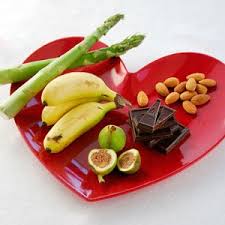
There are no miracle foods or pills, but a healthy diet, regular exercise, and stress management do wonders for sexual health. Foods rich in antioxidants (berries, nuts, dark chocolate), omega-3 fatty acids (fish, walnuts), and a Mediterranean-style diet support overall wellness and may help your body function at its best. But the effect is gradual, and it is about long-term health, not a quick fix.
Let Go of the Myths—And Find Real Support
If you feel alone, ashamed, or frustrated by how infertility has changed your relationship, know that these feelings are normal. You do not have to hide them. At Malpani Infertility Clinic, we believe in giving patients the full picture—no false hope, no magic cures, just honest, compassionate guidance. If you are struggling, sometimes the best next step is a conversation with someone who understands both the science and the human side of infertility.
Is Your IVF Treatment Reducing Your Libido?
And if you are looking for the truth about feeling "too tired to have sex":
Frequently Asked Questions
Q: Are there any natural aphrodisiacs that really work?
A: There is no scientific proof that any food or herb consistently works as an aphrodisiac for everyone. Some foods may support general health or improve blood flow, but desire is mostly affected by your mindset and relationship.
Q: Can stress from infertility treatments reduce sexual desire?
A: Yes. The emotional and physical stress of infertility can lower libido in both partners. Anxiety and pressure can make intimacy feel forced. Prioritizing relaxation and emotional connection helps more than any pill.
Q: Is Viagra a safe solution for low desire?
A: Viagra can help men with erectile difficulties, but it does not create desire or arousal. It is not effective for women, and should only be used under medical supervision.
Q: Are herbal aphrodisiacs safe to try?
A: Many herbal products sold as aphrodisiacs are unregulated and can be dangerous, especially if they contain unknown ingredients. Always check with a trusted doctor before trying anything new.
Q: What can couples do to improve intimacy during fertility treatment?
A: Focus on open communication, rest, and spending quality time together without pressure. Sometimes, seeking support from a fertility expert or counselor can help address emotional and physical barriers.