

Can I Get Pregnant with IVF? Discover Now!
If you have ever sat across from a doctor, clutching your partner’s hand, and asked with a shaky voice, “Will IVF really help us get pregnant?” — you are not alone. For so many couples, the hope, fear, and sheer exhaustion of infertility can feel overwhelming. When you are ready to take the leap into IVF, the question that weighs on your mind is simple, yet huge: Will it actually work for me?
Why IVF Success Rates Are Not One-Size-Fits-All
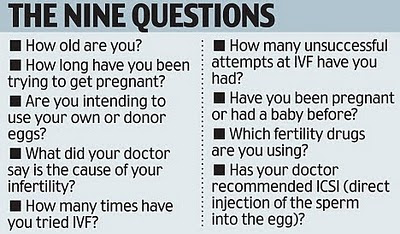
Every patient wants a clear answer: What are my chances of getting pregnant with IVF? But the truth is, there is no universal number. IVF is not a magic button. The chance of success is shaped by a web of factors, some you can control and others you simply cannot.
At Malpani Infertility Clinic, we know how hard it is to hear, “It depends.” We wish we could give you a neat percentage, but that would be misleading. Instead, we use our years of experience to give you a “guesstimate” based on couples similar to you: same age, similar test results, same reason for infertility.
The Factors That Shape IVF Success
There are two main types of factors that affect your chance of having a baby with IVF:
- Things you cannot change: Your age, egg quality, sperm count, genetics, or certain medical conditions. These are the cards you have been dealt.
- Things you can change: The clinic you choose, the experience of your doctor, the medication protocol, how well the lab takes care of your eggs and embryos, and your own health and lifestyle.
Focus on what you can control: choose the best clinic, ask about their laboratory, and make sure you get clear communication every step.
It is easy to get lost obsessing over the things you cannot control, especially after a failed cycle. Many patients come to us feeling guilty or desperate, convinced they must have missed something — or worse, that it was somehow their fault.
What You Can (and Cannot) Control in Your IVF Journey
Let’s be honest: there is no shortage of advice online about “boosting IVF success.” Some is helpful, most is noise. The reality is, certain factors are out of everyone’s hands. For example, your age is set. You cannot rewind the clock. Similarly, deep genetic or immunological factors are still not fully understood, even by experts.
Chasing after every new test or add-on treatment — especially those with little scientific proof — can drain your hope, your wallet, and your energy. At Malpani Infertility Clinic, we believe in focusing on what is proven and what is within your power.
- Choose a world-class clinic: The skill and transparency of your clinic matter. Ask if they provide photographs of your embryos — this is a sign of a clinic that stands by their quality.
- Understand your protocol: Not all IVF cycles are the same. The right medication and monitoring make a difference and should be tailored to your needs.
- Ask about the laboratory: A modern, well-equipped lab with skilled embryologists is essential for nurturing healthy embryos.
- Take care of your health: While you cannot change your genes, you can make choices about diet, exercise, and managing stress that support your body through treatment.
The Emotional Side: You Are Not Alone
Behind every statistic is a story. Maybe you are reading this after a failed cycle, feeling lost. Or perhaps you have not told anyone outside your closest circle about your struggle, carrying the weight in silence. It is normal to feel anxious, angry, or even hopeless at times.
Our team at Malpani Infertility Clinic sees the whole person, not just the test results. We have worked with couples who have tried everything — and sometimes, even after all that effort, it takes a few cycles to succeed. We are here to help you understand what went wrong, what can be improved, and what reasonable next steps look like. Most importantly, we are here to make sure you never feel alone or unheard.
Infertility is not your fault. There is no shame in needing help, and there is always hope for a way forward.
How to Make the Most of Your IVF Treatment
What can you do, starting today, to improve your chances? Here is what we encourage every patient to focus on:
- Make sure you (and your partner) have had a thorough evaluation, so your treatment is as individual as you are.
- Choose a clinic that explains each step, shares your embryo photographs, and welcomes your questions.
- If you have had a failed cycle, ask for honest feedback. What was the quality of your eggs, sperm, and embryos? Could the protocol be changed next time?
- Let go of blame. If your doctor or clinic tries to sell you unproven add-ons or blames you for failure, that is a red flag.
At Malpani Infertility Clinic, our approach is simple: clear information, ethical care, and empowering you to make smart choices about your treatment. We believe in sharing what nobody else will tell you, because that is what you deserve.
Frequently Asked Questions
Q: Can everyone get pregnant with IVF?
A: Not everyone will get pregnant with IVF, as several factors affect success, including age, egg and sperm quality, and underlying health conditions. However, many couples who struggle with infertility do achieve pregnancy with IVF, especially when treatment is tailored to their needs.
Q: What can I do to improve my IVF success rate?
A: Focus on choosing a reputable clinic, understanding your individual treatment plan, making healthy lifestyle choices, and ensuring both partners are evaluated for treatable issues.
Q: Why do IVF cycles sometimes fail?
A: IVF can fail for reasons such as poor egg or sperm quality, embryo issues, age, or problems with the uterus. Sometimes, the cause is unexplained. A good clinic will help you analyze and learn from each attempt.
Q: Are there risks in trying experimental add-on treatments for IVF?
A: Many add-on treatments lack strong scientific evidence. They can increase costs and emotional stress without improving outcomes. It is wise to discuss the benefits and risks with your doctor before agreeing to any extras.
Q: How do I know if my clinic is providing quality care?
A: Signs of a high-quality clinic include transparent communication, sharing embryo photographs, individualized protocols, and honest answers to your questions. If you feel pressured or confused, seek a second opinion.