
Do Ovarian Cysts Impact Your Fertility?
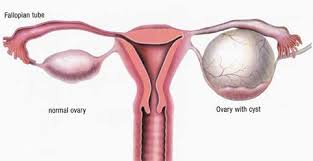
You might have seen the words "ovarian cyst" on your ultrasound report, or maybe your doctor mentioned them in passing. Suddenly, your mind jumps to questions: Is this why I am not getting pregnant? Should I be worried? Will this become cancer? These fears are very real for so many women facing infertility. The truth is, ovarian cysts are common, but the way they impact your fertility is not always straightforward. Let’s make sense of what they mean for you, and what you should (and shouldn’t) worry about.
Understanding Ovarian Cysts: Not All Are the Same
Ovarian cysts sound scary, but let’s start with an honest fact: every single normal ovary has cysts at some point. Most cysts are just part of how your ovaries work naturally, and many are nothing more than a regular follicle—the tiny, fluid-filled sac that grows an egg each month.
- Normal ovarian follicle: This is the most common "cyst" you will see on an ultrasound. It’s a small bubble of fluid, about 7 to 8 mm when it first appears, growing 1 to 2 mm per day. When it reaches 18 to 25 mm, ovulation happens and the follicle usually disappears. This is a healthy, normal process.
Sometimes, if a follicle grows larger than 2 centimeters, doctors call it a "cyst." But in many cases, it’s just an enlarged follicle, not a problem. This is often called a functional cyst because it forms as part of your normal cycle. Most of these will dissolve on their own and need no treatment at all.
When Should You Pay Closer Attention?
While most cysts are harmless, there are times when they need to be monitored. Here’s what to look out for:
- Size matters: Cysts larger than 5 cm (about the size of a small plum) should be watched more closely by your doctor.
- Complex appearance: If the ultrasound shows solid tissue inside the cyst, or if it is called a "complex" cyst, it may need further investigation.
- Symptoms: Persistent pain, bloating, irregular bleeding, or pain during sex can sometimes mean a cyst is causing trouble.
Doctors may use blood tests like CA-125 to check for rare types of cysts that could be cancerous, but it’s important to know these tests are not always reliable for every woman, especially if you’re premenopausal. Elevated levels can happen in lots of non-cancerous conditions too.
Unnecessary surgery for simple cysts can actually harm your fertility by reducing your egg reserve.
Types of Ovarian Cysts and How They Affect Fertility
Understanding the type of cyst is crucial for knowing if it might affect your fertility. Here’s a simple breakdown:
- Functional Cysts: These include follicular cysts (just enlarged follicles) and corpus luteum cysts (which form after ovulation). They are almost always harmless and resolve on their own. Rarely, if they rupture or twist, they might cause pain and need attention.
- Endometriomas: Sometimes called "chocolate cysts," these are linked to endometriosis, where tissue like the lining of the uterus grows on the ovaries. Endometriomas can make it harder to get pregnant and may need specific treatment.
- PCOS (Polycystic Ovary Syndrome): Not a single cyst, but many small follicles seen on the ovaries—this is a hormonal condition that can cause irregular periods and fertility struggles. PCOS is common and manageable, but often confused with other cysts.
- Dermoid and Cystadenomas: These are less common, can grow larger, and sometimes require surgery. Most are benign, but the key is to avoid unnecessary removal of healthy ovarian tissue.
How Ovarian Cysts Can Affect Your Fertility (and When They Don’t)
Here’s the truth: Most ovarian cysts do not prevent you from getting pregnant. Functional cysts—by far the most common—are just part of your cycle. However, certain cysts, especially those linked to underlying conditions, can impact your fertility:
- Endometriomas can interfere with ovulation and damage ovarian tissue.
- PCOS can cause hormonal imbalances, irregular cycles, and trouble releasing eggs.
- Very large cysts or cysts that require surgery may sometimes reduce the number of healthy eggs if too much normal tissue is removed.
If your doctor recommends surgery, it’s crucial to ask: Is this really necessary? At Malpani Infertility Clinic, we believe in preserving your fertility whenever possible. We only recommend treatment or surgery when it is clearly needed, and we always explain the risks and benefits honestly—no scare tactics, no unnecessary procedures.
What Should You Do If You Have an Ovarian Cyst?
The best approach depends on the cyst’s type, size, and any symptoms. Here’s what we typically advise:
- Simple, small cysts (under 5 cm) with no symptoms: Just keep an eye on them with regular ultrasounds. Most disappear in a few cycles.
- Larger or complex cysts: Your doctor may recommend hormonal pills (such as birth control) to shrink them. These pills pause ovulation, which helps cysts dissolve but will temporarily prevent pregnancy.
- Cysts causing pain or with suspicious features: Sometimes surgery is considered, but always ask if it can wait or if there are less invasive options. Removing normal ovarian tissue can lower your egg count, so this decision should not be rushed.
If a doctor suggests surgery right away for a simple cyst, get a second opinion. Preserving your fertility should always come first.
And if you’re confused about the jargon—simple cyst, complex cyst, functional cyst—remember, it’s often just a matter of naming. What matters is whether the cyst is affecting your health or your chances of getting pregnant.
For more details, you can read: The difference between follicles and ovarian cysts.
How Malpani Infertility Clinic Can Help You Decide What’s Best
Infertility is already stressful enough. Worrying about every cyst on your scan does not make it any easier. At Malpani Infertility Clinic, we see hundreds of women with ovarian cysts every year. We focus on:
- Explaining your scans and blood reports in clear, simple terms.
- Helping you avoid unnecessary treatments that could actually harm your fertility.
- Tailoring advice to your unique situation, not just following a one-size-fits-all protocol.
- Supporting you emotionally, because we know how frightening these findings can feel.
If you have any doubts about your cyst or your treatment plan, you’re not alone. We’re here to guide you honestly—sometimes all you need is reassurance, not intervention. If you want to talk through your options or just get a clear explanation of your ultrasound report, speak to our expert fertility advisor and get the clarity you deserve.
Frequently Asked Questions
Q: Do all ovarian cysts affect fertility?
A: No. Most ovarian cysts are harmless and do not impact your ability to get pregnant. Only certain types, such as endometriomas or cysts caused by PCOS, may affect fertility.
Q: When should I worry about an ovarian cyst?
A: Cysts larger than 5 cm, those with solid areas, or those causing severe pain may need more careful monitoring. Most simple cysts do not need treatment.
Q: Can ovarian cysts become cancer?
A: The risk of cancer is very low, especially in women under 40. Most cysts are benign. Your doctor may use blood tests and repeated ultrasounds to monitor any suspicious cysts.
Q: Will surgery for a cyst harm my fertility?
A: Any ovarian surgery carries some risk to your egg reserve, especially if normal tissue is removed. Surgery should only be done when clearly necessary.
Q: What is the difference between a follicle and a cyst?
A: A follicle is a normal, fluid-filled sac that grows your egg each month. A "cyst" is just a follicle that has grown larger than usual or hasn’t gone away as expected.
Q: Should I take birth control pills for my cyst?
A: Birth control pills can help shrink some cysts, but they also pause ovulation, so you won’t conceive while taking them. Your doctor will discuss if this is right for your situation.