

Dr.Sunil Pandya: Impact of the Indian Journal of Medical Ethics
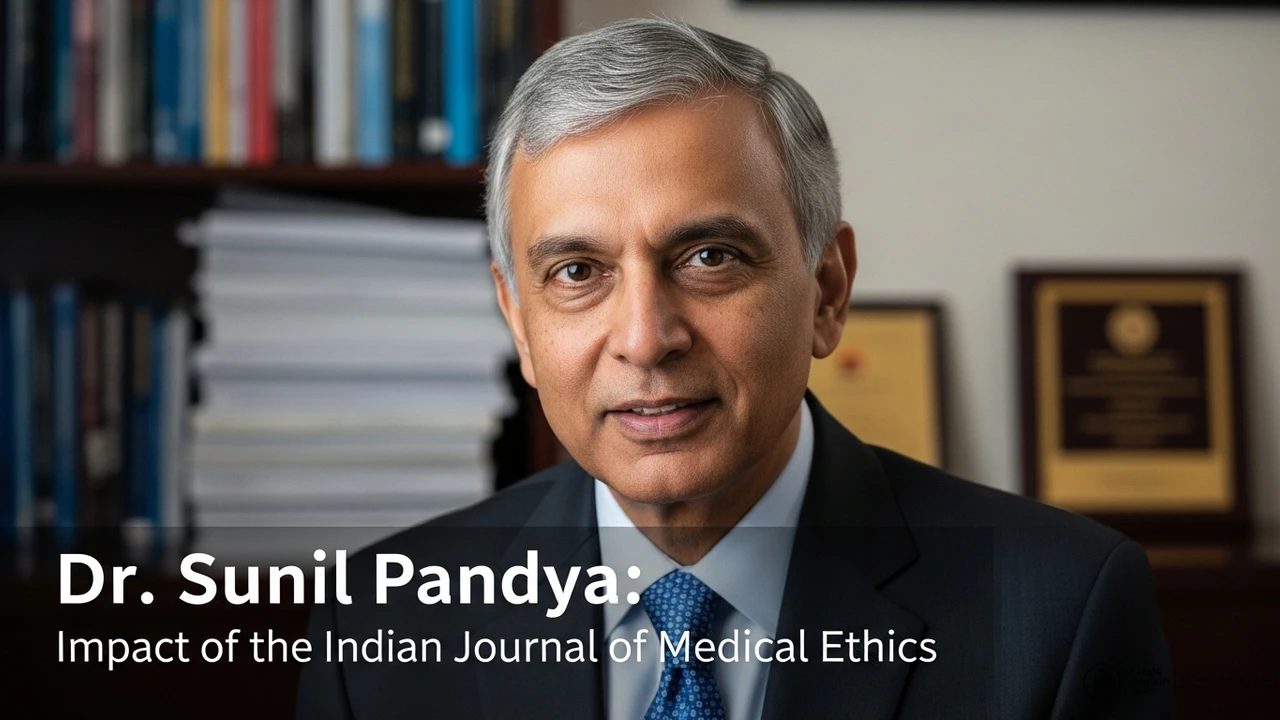
If you have ever felt anxious about whether doctors truly put patients first, or wondered who really fights for ethics in Indian healthcare, you are not alone. Many patients and families silently worry: will my doctor do the right thing even when nobody is watching? Is there someone out there who speaks up for patients, not profits? These are the kinds of fears that often go unspoken in waiting rooms and late-night conversations. The legacy of Dr. Sunil Pandya and the Indian Journal of Medical Ethics (IJME) shows that, even in a world full of commercial pressures, there are people who stand up for what is right—no matter the cost.
Dr. Sunil Pandya: A Voice of Conscience in Indian Medicine
For decades, Dr. Sunil Pandya was more than a neurosurgeon—he was a beacon of integrity for countless doctors, patients, and families. His work did not just save lives in the operating theatre. He gave hope to people who worried that medicine in India might be losing its soul. At a time when shortcuts and “cut practice” were becoming dangerously common, Dr. Pandya was one of the few who refused to compromise. He believed that medicine must always put the patient’s interests first, and he lived these values every day.
His commitment went beyond his own practice. Dr. Pandya helped shape the Indian Journal of Medical Ethics into a platform where difficult questions could be asked—and answered honestly. He encouraged doctors to argue, debate, and sometimes disagree, but always with the patient’s welfare at the centre. He was never afraid to speak the uncomfortable truths that most would rather avoid.
The Indian Journal of Medical Ethics: Why It Matters for Every Patient
Many people might think: why should I care about a medical journal? The truth is, the IJME has quietly shaped the way doctors and hospitals think about your rights, your safety, and your dignity as a patient. Under Dr. Pandya’s leadership, this journal challenged the status quo. It called out unethical practices, exposed corruption, and gave a voice to both healthcare workers and patients who felt powerless.
Thanks to voices like Dr. Pandya’s, the IJME pushed for:
- Better regulation of private hospitals
- Real consequences for unethical behaviour
- Patient rights to be put at the forefront
- Transparency and accountability in treatments and billing
Dr. Pandya taught everyone that true medical care means doing the right thing for the patient, even when nobody is looking.
For families dealing with infertility, or any medical crisis, these ideas are not just academic—they are deeply personal. Every patient deserves respect, honesty, and the best care possible. The standards set by Dr. Pandya and the journal have become a blueprint for clinics like ours that refuse to settle for anything less.
Standing Up Against Stigma and Silence
In India, talking about medical ethics or patient rights can feel taboo. Many couples facing infertility, for example, are made to feel ashamed, blamed, or pressured into making fast decisions. Dr. Pandya challenged this silence. He believed that every patient—no matter their background, gender, or diagnosis—deserved to be heard and understood. He encouraged doctors to listen, to explain treatments in simple language, and to never rush patients into expensive or unnecessary procedures.
At Malpani Infertility Clinic, we have always tried to follow these guiding principles. We know how vulnerable you feel when you are struggling to have a baby. You want answers, not false hope. You need clarity, not confusion. That is why we spend time explaining your options, sharing success rates openly, and helping you make choices that are right for you—not just for us.
Lessons for Fertility Patients: Asking the Right Questions
What can you, as a patient, learn from the work of Dr. Pandya and the Indian Journal of Medical Ethics? Mainly this: you are allowed to ask questions. You deserve clear answers. Never let anyone make you feel guilty or rushed into a treatment plan. Ethical doctors will always welcome your questions, explain the pros and cons, and help you understand the science behind every decision.
- Ask if a recommended test or procedure is truly necessary
- Request explanations in plain language
- Demand transparency about success rates and costs
- Insist on your right to a second opinion if you are unsure
It is okay to want reassurance, to seek support, and to expect your clinic to act in your best interest. That is not being difficult—it is being wise.
How Malpani Infertility Clinic Walks the Talk
As patients, you may have heard stories of clinics that promise miracles but deliver disappointments. You may have felt dismissed, or worse, shamed for asking too many questions. We believe that you deserve better. Inspired by Dr. Pandya’s fearless honesty, our clinic commits to:
- Giving you straightforward, no-nonsense advice—even if it is not what you want to hear
- Helping you understand every option, from basic fertility tests to advanced IVF protocols, in simple terms
- Ensuring you are never pressured into expensive packages or unnecessary treatments
- Supporting your right to make decisions at your own pace
We know this approach may not be flashy, but it is what truly helps patients feel calm, confident, and respected throughout their journey. If you want to explore your options or need guidance about what steps make sense for your unique situation, we invite you to get in touch with us. Sometimes, one honest conversation can change everything.
Frequently Asked Questions
Q: Why is medical ethics important for patients seeking fertility treatment?
A: It ensures that clinics recommend only what is truly needed, explain risks and benefits honestly, and respect your right to make informed choices—just as Dr. Pandya advocated.
Q: What should I do if I am unsure about a recommended fertility procedure?
A: Ask questions until you are clear. Ethical clinics will always welcome your doubts and help you understand your options, without rushing or pressuring you.
Q: How can I tell if a clinic or doctor is truly ethical?
A: Look for transparency about pricing, success rates, and willingness to discuss alternatives. If you feel listened to and respected, you are likely in good hands.
Q: Does Malpani Infertility Clinic follow these ethical practices?
A: Yes. Our clinic is committed to honesty, openness, and patient-first care, inspired by the values of leaders like Dr. Pandya.
Q: Can I ask for a second opinion before starting treatment?
A: Absolutely. Any good clinic will support your right to seek more information and make decisions at your own pace.