

How We Ensure IVF Success: Behind the Scenes

There is a moment in every IVF journey when you pause and wonder: What is really happening to our eggs and sperm once we hand them over? Is everything being done to give our embryos the best possible chance? If you have ever felt anxious about what goes on in the IVF lab, you are not alone. For couples struggling with infertility, the emotional rollercoaster is already intense. The last thing you need is to worry about whether your precious embryos are being given the best possible care. At Malpani Infertility Clinic, we believe you deserve complete transparency about how we protect your hope—right down to the smallest detail.
The Hidden Heart of IVF: Why Lab Quality Matters So Much
Most people imagine IVF as a series of doctor visits, hormone injections, and procedures. But the real magic—and the real anxiety for many couples—happens behind closed doors in the embryology lab. This is where your eggs and sperm meet, where embryos are created, nurtured, and assessed. Every detail matters: a single slip in temperature, a minute change in pH, or even a microscopic contaminant can affect outcome. That's why our lab’s quality control (QC) and quality assurance (QA) protocols are built with obsessive attention. We sweat the small stuff, so you do not have to.
Inside the IVF Lab: The Systems That Guard Your Embryos
Let us pull back the curtain on what actually happens after your egg retrieval and sperm collection. Here are the invisible guardians working round-the-clock for your success:
CO2 Incubators: Creating a Safe Haven for Embryos
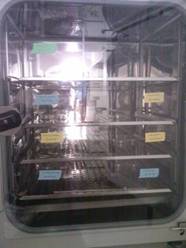
Embryos are extremely sensitive. The incubator mimics the human body, maintaining just the right temperature and CO2 level so embryos can develop safely. At Malpani Infertility Clinic:
- We check the CO2 percentage and temperature of every incubator daily to prevent fluctuations that could harm embryo quality or pregnancy rates.
- All readings are logged and reviewed, not just ticked off.
- Incubators are cleaned, decontaminated, and their water pans changed regularly to prevent contamination.
- A sperm survival test is performed before every batch to guarantee the environment is embryo-safe.
- Every incubator is covered by an annual maintenance contract and backed by power supplies to safeguard against outages.

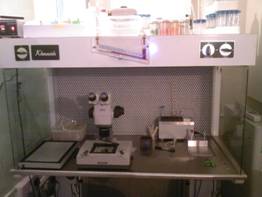
Laminar Flow Workstations: A Fortress for Handling Life
All gametes and embryos are handled in sterile laminar flow hoods, which filter and purify the air to protect against invisible threats. Our protocol includes:
- Daily cleaning of every surface.
- Regular inspection and cleaning of HEPA filters, which trap even the tiniest particles.
- Testing air quality so embryos are not exposed to unseen contaminants.
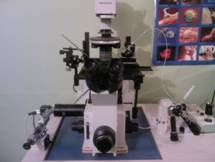
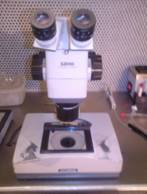
Microscopes and Micromanipulators: Precision Tools, Tender Handling
From ICSI (injecting a single sperm into an egg) to embryo assessment, our specialists use high-precision microscopes and micromanipulation tools. These are:
- Cleaned meticulously after every use.
- Checked daily for temperature stability, so eggs and embryos are never exposed to harmful fluctuations.
Air Quality: Every Breath Counts
Even the air in the lab can impact embryo health. We use advanced air purifiers and pressure modules, keeping HEPA filters spotless and regularly serviced to maintain a pristine environment.


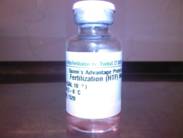
Culture Media & Disposables: The Unsung Heroes
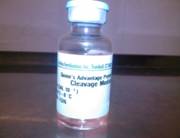
Think of culture media as the "amniotic fluid" for your embryos in their earliest days. Every batch is recorded, checked for expiry, and stored at the perfect temperature. We never allow stockouts or use anything past its prime. Refrigerators are cleaned and their temperatures tracked with the same vigilance.
Cleanliness and Identification: Zero Room for Error
One of the greatest fears couples have is mix-ups or contamination. We have strict written procedures and double-check systems for every step:
- Daily cleaning: The lab is disinfected every day with non-toxic, odourless solutions (we use diluted H2O2, which is embryo-safe). Alcohol-based cleaners are avoided because they can be toxic to embryos.
- Personal hygiene: Every staff member washes their hands and wears fresh gloves before handling any embryos or gametes.
- Patient identification: Every sample—whether eggs, sperm, or embryos—is labeled with full names, cross-checked at every stage, and handled one patient at a time to prevent mix-ups.


- When a semen sample arrives, it is checked against your file, labeled immediately, and handled in a dedicated tube that stays with your name throughout the process.
- Culture dishes for each patient are labeled and kept on specifically marked shelves in the incubator.

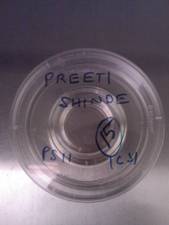
- At critical moments (egg retrieval, sperm processing, embryo transfer), your identity is verified by multiple staff—including a nurse witness during embryo transfer, and an audible confirmation between embryologist and doctor.
- Any step involving gamete or embryo manipulation (insemination, freezing, thawing) gets double-checked, every single time.
Every embryo is handled with the care and caution we would expect for our own family.
Handling and Safety: Protecting Your Future Family
The way eggs and sperm are handled directly impacts IVF success. Our systems include:
- All procedures are performed in temperature-controlled laminar flow hoods, using disposables that are tissue culture grade (the safest for embryos).
- Pipettes, needles, and all disposables are used only once, then discarded in special containers to prevent infection or accidental reuse.
- We never process two patients in the same space at the same time.
Safety for our staff and your embryos is also paramount. We use non-powdered gloves, masks, vertical laminar-flow benches, and strict waste disposal protocols for anything that could be infectious or sharp.
Measuring Success: Not Guesswork, Real Data
At Malpani Infertility Clinic, we do not just hope for the best. We track every outcome—fertilization rates, embryo quality, pregnancy rates, multiple pregnancy rates, implantation rates, and the survival of frozen embryos. This data-driven approach allows us to refine our protocols constantly, always aiming to improve your chances.
of embryos created in our lab reach the crucial blastocyst stage, a key indicator of high-quality IVF care.
Why This Matters: Your Peace of Mind
For many couples, infertility is a lonely, stressful battle. You are asked to trust us with some of life’s most delicate beginnings, often after years of heartbreak or failed attempts elsewhere. We know the stakes, and we take them personally. That is why our team—led by Dr. Malpani and Dr. Anjali—holds itself to uncompromising standards, not only in technology but in transparency and compassion. We want you to feel empowered, supported, and confident that your embryos are in the safest hands possible.
If you have burning questions about what happens behind the scenes, or need advice tailored to your personal fertility journey, you are always welcome to chat with Dr. Malpani for honest, expert guidance. No question is too small, and no concern is brushed aside.
Frequently Asked Questions
Q: How do you ensure my eggs, sperm, and embryos are not mixed up with someone else’s?
A: Every sample is labeled with your full name at every stage, and double-checked by separate team members at all critical steps. We process one patient at a time in each workspace to eliminate the risk of mix-ups.
Q: What happens if there is a power cut or equipment failure in the lab?
A: Our lab is equipped with backup power supplies to keep incubators and freezers running, and all equipment is covered under annual maintenance contracts. We monitor all critical systems daily to detect issues before they impact your embryos.
Q: Why is air quality so important in the IVF lab?
A: Embryos are vulnerable to even tiny contaminants. We use HEPA filters and air purifiers to keep the lab environment ultra-clean, which helps protect embryo health and improve IVF success rates.
Q: How do you monitor embryo development?
A: We regularly check fertilization, cell division, and overall embryo quality under the microscope, and log all data to guide decisions for your embryo transfer or freezing.
Q: What safety measures are taken to prevent infection or contamination?
A: Our team uses non-toxic disinfectants, sterile disposables, gloves, and masks. All surfaces and equipment are cleaned daily, and waste is disposed of in special containers. Only tissue culture-grade materials touch your gametes and embryos.
Q: Can I visit the lab or speak with the embryologist directly?
A: While entry to the lab is restricted for sterility reasons, patients are welcome to ask questions or request updates. Dr. Malpani and our team are transparent about protocols and happy to explain any part of the process.