

Inhaler During IVF: Safe or Risky? What Doctors Want You to Know
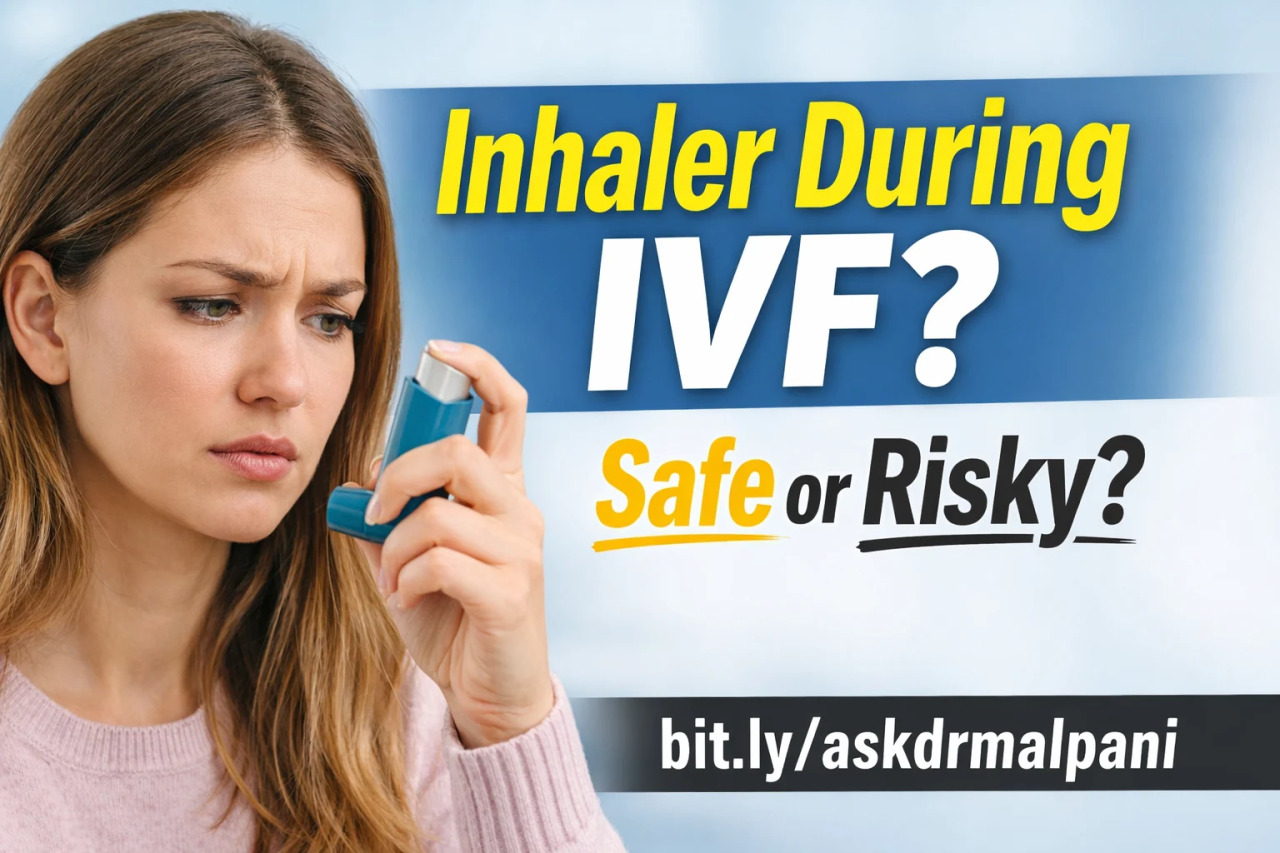
Maybe you have been quietly worrying about this ever since you started planning your IVF cycle: you need your inhaler for asthma, or perhaps you use allergy medication, but you are terrified that these medicines might somehow ruin your chances. The guilt, the anxiety: “If I just stopped all medicines, would my embryo have a better shot? Am I harming my baby before it is even born?” If this is you, you are not alone. Almost every week, someone sits across from us at Malpani Infertility Clinic and asks, “Doctor, is it truly safe for me to use my inhaler after embryo transfer?”
Why This Fear Is So Common—and So Misunderstood
It is perfectly normal to want to protect your potential baby at any cost. The internet is overflowing with advice telling you to avoid every tiny risk, to treat your body like glass during IVF. But here’s the truth nobody usually tells you: your health is not just important, it is critical for your embryo to thrive.
Trying to “be extra careful” by stopping your essential asthma or allergy medications may actually do more harm than good.
Let us break down exactly what is happening inside your body when you worry about continuing your inhaler or allergy medication during IVF.
How Inhalers and Allergy Medications Actually Work During IVF
Most inhalers—whether they are for asthma relief (bronchodilators) or for long-term control (steroid inhalers)—work by acting directly on your lungs. Only a tiny amount of the medication ever enters your bloodstream, and an even tinier fraction would reach your uterus. This means the medicine does not interfere with embryo implantation.
Similarly, most common antihistamines (allergy tablets) have been studied for decades. There is no evidence that they harm embryos or lower IVF success rates when used as prescribed.
What does this mean for you? If you stop your prescribed inhaler, your asthma could flare up. You might not breathe as well. Your body goes into “emergency” mode, and your oxygen levels can drop. That is far more dangerous to a fragile, newly implanted embryo than the trace amounts of medicine from an inhaler.
What Science and Experience Tell Us About Asthma, Allergies, and IVF
If you have read research studies or heard stories from other patients, you may know that uncontrolled asthma in pregnancy (and during fertility treatments) is linked to an increased risk of:
- Lower embryo implantation rates
- Pregnancy complications such as low birth weight or preterm birth
- In rare cases, increased risk of miscarriage, especially if asthma is severe and not well managed
The best available evidence shows that using your inhaler as prescribed is the safest option—both for you and your embryo. In fact, studies suggest women who keep their asthma well-controlled with inhalers during pregnancy have healthier outcomes than those who stop their medication and let asthma flare-ups occur.
No increased risk of major congenital malformations in women using inhaled corticosteroids, compared to those who do not.
At Malpani Infertility Clinic, we have cared for hundreds of women in situations just like yours. Our experience—and the science—align on this: stability and comfort are your best allies during IVF.
The Real IVF Risk: When “Being Cautious” Backfires
What actually harms your chances? Not the medicine, but the flare-ups and health instability that come from stopping your essential medications. If you try to “tough it out” and stop your inhaler, you risk:
- Asthma attacks that lower your oxygen and stress your body
- Increased inflammation, which can affect the embryo’s environment
- Emergency situations that may require stronger, riskier medications
It is worth repeating: IVF does not reward extreme caution. It rewards stability, good health, and a sense of normalcy for your body. Your embryo wants a calm, well-oxygenated, and steady home. And for you, that means continuing your prescribed asthma or allergy medication unless your fertility specialist specifically tells you otherwise.
What Should You Do? Our No-Nonsense Advice
If you are in the middle of IVF or planning an embryo transfer and you use an inhaler or allergy medication, here is what we recommend at Malpani Infertility Clinic:
- Keep taking your prescribed medications. Do not stop, reduce, or change doses on your own.
- Inform your IVF doctor about all your medications, so they can reassure you and make adjustments only if needed.
- Monitor your symptoms. If you feel your asthma or allergies are not well controlled, let your doctor know right away.
If you ever feel unsure, ask your doctor. At Malpani Infertility Clinic, we believe in honest, evidence-based advice—no sugarcoating, no unnecessary restrictions. Our goal is to empower you, not scare you.
Real Stories, Real Relief
We have seen women just like you—worried, anxious, and afraid to do anything “wrong”. After talking openly and understanding that their inhaler keeps them healthy, many feel a huge sense of relief. They go through IVF feeling stronger, less stressed, and more in control. And that, in the end, is what gives embryos the best chance to stick and grow.
If you need more assurance, or if your case is complicated (for example, you need high-dose steroids or have frequent asthma attacks), we are here to help. Dr. Malpani and our caring staff can review your situation and help you make the safest, most informed choices for your unique body and journey. Sometimes just talking to an expert who understands both fertility and chronic health issues can make all the difference.
Frequently Asked Questions
Q: Will my inhaler or allergy medication lower my chance of embryo implantation during IVF?
A: No. Most inhalers and antihistamines act locally or have minimal systemic effect. There is no scientific evidence that these medications lower IVF success rates when used as prescribed.
Q: Should I stop my asthma or allergy medications before embryo transfer?
A: Absolutely not. Stopping your medications can make your asthma or allergies worse, which is far more risky for implantation and pregnancy than taking your prescribed treatment.
Q: Are inhaled steroids safe during IVF and early pregnancy?
A: Yes, inhaled steroids in standard doses are considered safe and do not increase the risk of birth defects or IVF failure. They have been used safely for decades.
Q: What about oral steroids or high-dose inhalers?
A: These should be discussed with your doctor. Occasionally, high doses may be necessary, but your fertility specialist can weigh the risks and benefits for your particular case.
Q: Can poorly controlled asthma affect my fertility or IVF outcome?
A: Yes. Uncontrolled asthma can lower oxygen levels, increase stress, and raise inflammation, all of which can reduce embryo implantation and pregnancy success.
Q: How can I be sure my medications are safe?
A: Always inform your IVF doctor about all medications you use. At Malpani Infertility Clinic, we cross-check for any possible concerns and give you honest, personalized advice.