

Signs after embryo transfer | Day to day symptoms after embryo transfer
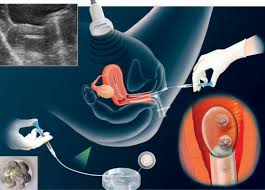
That creeping anxiety after your embryo transfer: it is real, and it is heavy. You are watching for every twinge, every bit of bloating, every flutter of hope or despair. You might be wondering: Are these cramps a good sign? Is it bad if I feel nothing at all? The two-week wait can feel like the longest, loneliest stretch in your entire fertility journey. If you are here, searching for answers and reassurance, know that you are not alone. Many couples find this time the hardest: everything is out of your hands, and your mind races with what-ifs. At Malpani Infertility Clinic, we see these emotions every day—and we want you to feel less alone and more informed, no matter what your body is (or is not) telling you.
What Happens Inside You After Embryo Transfer?
The science of embryo transfer is remarkable, but it is also simple: after all the medications, scans, and procedures, your precious embryo is placed gently into your uterus. From this moment, your body takes over just as it would in a natural pregnancy. You would think this should feel momentous, but the truth is, most of what happens inside is invisible to the naked eye—and often, to your senses.
Here is a day-by-day breakdown of what actually happens after a Day 5 (blastocyst) embryo transfer, so you can match your calendar to what is happening inside—without letting your mind run wild.
- Day 1: The transferred embryo is settling in. The blastocyst starts to hatch out of its shell (yes, embryos have a “shell”) and keeps dividing. You might feel nothing or maybe some mild cramping or bloating from the procedure—but this is normal and not a sign of success or failure.
- Day 2: The real action begins: the embryo starts to gently nudge into the uterine lining, aiming to attach itself. You still might not notice any symptoms. The blastocyst is growing, and your body is quietly preparing.
- Day 3: This is when implantation often starts. The embryo is trying to embed itself deeper into the lining. Some women notice a tiny bit of spotting or light bleeding—this can be harmless implantation bleeding, but many women never see this at all. Read more about implantation bleeding here.
- Day 4: The embryo digs in even deeper. If you had spotting, it might continue, but the absence of any bleeding, cramping, or spotting does not mean implantation failed. Try not to over-interpret every little symptom (easier said than done—we know).
- Day 5: By now, implantation is considered complete for most cases. The embryo is developing rapidly, but you still might not feel anything different.
- Day 6: The embryo starts sending signals to your body, releasing a hormone called hCG into your bloodstream. This hormone will eventually be what a pregnancy test detects.
- Day 7: As the placenta takes shape, hCG levels keep climbing. Some women start to notice early pregnancy-like symptoms, such as breast tenderness or increased tiredness, but many do not.
- Day 8: More hCG is released. Your embryo is developing and the placenta is beginning to function, but again, symptoms may be subtle or absent.
- Day 9: hCG levels may now be high enough for a pregnancy test to detect. A home test might turn positive, but a negative can still be a “false negative.” The most reliable result comes from a blood test for beta hCG, usually done about 10-12 days after transfer.
Symptoms After Embryo Transfer: What’s Normal (and What’s Not)
After your embryo transfer, you might find yourself monitoring your body more closely than ever before. “Are these cramps good or bad? Should I be feeling something by now?” The truth: most symptoms after embryo transfer come from your medications (like progesterone) or the procedure itself, not from the embryo implanting.
- Mild cramping, bloating, or pelvic heaviness: Often from the transfer procedure or hormone medications.
- Breast tenderness: Common due to increased progesterone, whether or not implantation has occurred.
- Light spotting: Can happen from the transfer or from the embryo burrowing in. It is usually light pink or brown and not heavy.
- Fatigue or mood swings: Hormones are powerful. They can make you feel tired, emotional, or on edge—none of these are reliable signs of success or failure.
- Absolutely nothing: Also completely normal.
Most physical sensations in the first week are caused by hormone support, not by the embryo itself.
What should you worry about? Heavy bleeding (like a period), severe or increasing pain, fever, chills, or persistent vomiting. If you have these, contact your clinic immediately. At Malpani Infertility Clinic, we make sure you leave with clear instructions about what is normal and when to call for help—because when you are anxious, information is the best medicine.
The Emotional Rollercoaster: Coping With the Two-Week Wait
No one talks enough about how hard this wait is. After weeks or months of tests, injections, and ultrasounds, you are suddenly told to “just wait.” You might feel powerless, scared to hope, or terrified of disappointment. You may Google every symptom and compare your experience to everyone else’s. That is completely human. But here is what most clinics will not say out loud: you cannot control the outcome with rest, food, or positive thinking. There is no secret trick to make implantation happen.
- Rest if you feel tired, but you do not need strict bed rest. Gentle movement is healthy unless your doctor says otherwise.
- Avoid intense exercise, heavy lifting, swimming pools, or saunas—just be kind to your body.
- Eat regular, balanced meals and drink enough water. There is no special “fertility diet” now.
- Lean on your support system. Talk to your partner, a friend, or a counselor if you need to. Bottling up your fears only makes them grow.
- Try mindfulness or gentle distractions—music, art, light walks, or meditation. Do what feels soothing to you.
When and How to Test for Pregnancy
The urge to test early is overwhelming for many women, but patience often saves unnecessary heartache. If you test at home before Day 9, you might get a false negative, simply because hCG levels are not high enough yet. The gold standard is a blood test for beta hCG about 10-12 days after transfer—this gives the most reliable answer.
If you see a faint line on a home test, do not panic or celebrate just yet. Let your clinic confirm with a blood test, and do not stop or change any medications until your doctor advises.
For more detail, see our article: Testing for pregnancy after an embryo transfer in an IVF cycle
What If You Do Not Have Symptoms—or Have “Negative” Ones?
This is probably the most common worry: “I do not feel anything, so it must not have worked.” Or, “I have cramps, so my period must be coming.” The reality is, most symptoms are caused by the fertility medications themselves—not implantation. Many women with zero symptoms get pregnant. Some women with every symptom do not. Your body’s signals are not a reliable guide during this time, as frustrating as that is.
of women experience at least one symptom (cramps, bloating, or spotting) during the two-week wait, but symptom presence or absence does not predict pregnancy outcome.
Do not judge your cycle by your symptoms. You are not failing just because you do not feel “pregnant.”
Empowering Yourself With Honest Information
If you have made it this far, you are already strong. The post-transfer period is a test of patience and emotional resilience, not just biology. At Malpani Infertility Clinic, we believe in sharing the truth with you: there are no magic signs, and no shortcuts. What you can do is take your medications as prescribed, keep yourself gently active, and reach out when you need support. You deserve a team that tells you what others will not—and supports you, whatever the outcome.
If you feel lost or want expert, honest advice about your own situation, consider reaching out to discuss your journey. Sometimes, a single conversation with an experienced fertility doctor can make you feel less alone and more ready for what comes next.
Frequently Asked Questions
Q: Is it normal to have no symptoms after embryo transfer?
A: Yes, absolutely. Many women have zero symptoms and still have successful pregnancies. Symptoms are not a reliable sign of implantation or success.
Q: When is the best time to take a pregnancy test after embryo transfer?
A: A blood test for beta hCG about 10-12 days after transfer is the most accurate. Home urine tests can be done after Day 9 but may give false negatives if taken too early.
Q: What are normal symptoms after embryo transfer?
A: Mild cramping, bloating, breast tenderness, light spotting, fatigue, or no symptoms at all are all normal. These are usually due to hormone medications rather than implantation.
Q: Should I be on bed rest after embryo transfer?
A: Strict bed rest is not needed. Gentle activity, walking, and light daily routines are safe unless your doctor gives different advice.
Q: What symptoms should make me contact my doctor?
A: Heavy bleeding (like a period), severe pain, fever, chills, or persistent vomiting are reasons to contact your clinic immediately. Light spotting is usually normal.
Q: Can I do anything to increase my chances after embryo transfer?
A: Besides taking your medications as prescribed and avoiding intense exercise or overheating, there is little you can do to influence implantation. Focus on self-care and emotional support.
Q: Does spotting mean implantation has happened?
A: Light spotting can be a sign of implantation, but many women never have it and still get pregnant. The absence of spotting does not mean implantation failed.