
Luteinizing Hormone (LH): Function, Levels & Testing
Luteinizing Hormone (LH)
What is LH?
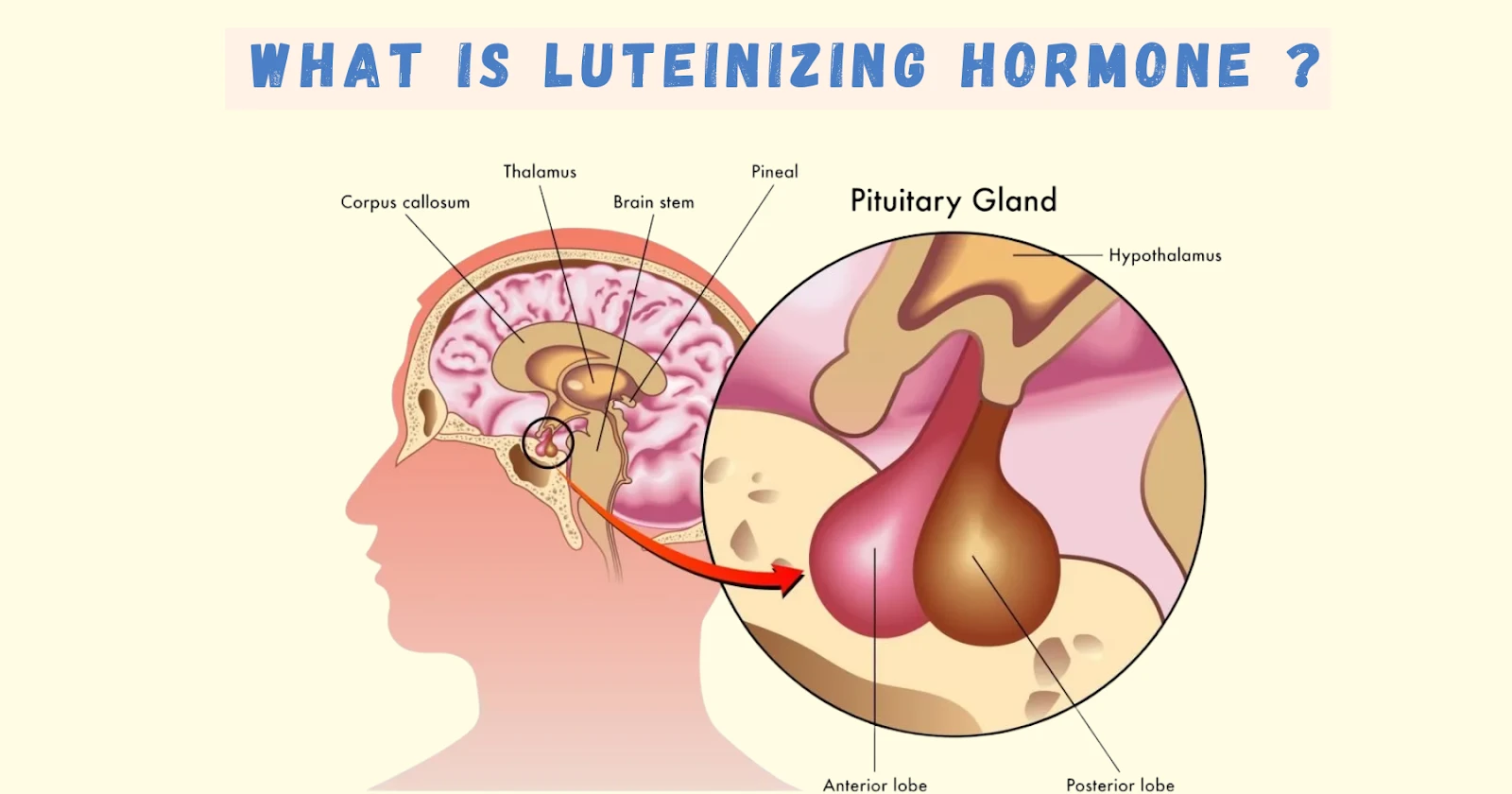
Luteinizing Hormone (LH) is an important hormone made by your pituitary gland, a small structure at the base of your brain. Think of LH as a messenger that helps your body with reproduction and sexual development. It works together with another hormone called FSH (Follicle-Stimulating Hormone) to keep your reproductive system running smoothly.
Here's how it works: Your brain sends signals to your pituitary gland, which then releases LH. This LH travels through your bloodstream to your ovaries (if you're female) or testes (if you're male) and tells them what to do.
What Does LH Do?
After you ovulate, LH helps create something called the corpus luteum in your ovary, which makes progesterone. Progesterone is super important if you get pregnant because it helps support the early stages of pregnancy.
Unlike women, men's LH levels stay pretty steady once they reach adulthood. They stimulate the cells in the testicles to produce testosterone causing sperm production.
When LH Levels Go Wrong
High LH Levels
Symptoms of high LH might include:
-
Difficulty getting pregnant
-
Irregular or missed periods
-
Hot flashes and night sweats
-
Mood swings
-
Weight changes
-
Vaginal dryness
-
Changes in sex drive
-
Fatigue
Low LH Levels
Symptoms of low LH might include:
-
Irregular or missing periods in women
-
Fatigue and low energy
-
Reduced body hair
-
Problems with fertility
-
In breastfeeding women, difficulty producing milk
How LH Is Controlled
Your body has a sophisticated system to control LH production called the hypothalamic-pituitary-gonadal axis (quite a mouthful, isn’t it?). Here's how it works in simple terms:
-
Your hypothalamus releases a hormone that tells your pituitary gland to make LH
-
Your pituitary releases LH into your bloodstream
-
LH travels to your ovaries or testes and tells them what to do
-
Your sex organs then send signals back to your brain about hormone levels
This creates a feedback loop that keeps everything balanced. For most of the month, rising hormone levels tell your brain to slow down LH production. But in women, there's a special exception: when estrogen gets high enough mid-cycle, it actually triggers that big LH surge that causes ovulation.
LH Testing
Your doctor might recommend an LH test if you're dealing with fertility issues, irregular periods, or signs of hormone imbalances. The test is usually a simple blood draw, though you might also be familiar with at-home urine tests that detect LH surges for ovulation tracking.
The timing of your test matters. For women, doctors often test LH on day 3 of your cycle to check baseline levels, or they might ask you to test daily around mid-cycle if you're trying to catch the LH surge. For men, timing isn't as important since LH levels stay more consistent.
Getting Help with Your Results
Lab results can be confusing, and one test result alone doesn't tell your whole story. The best way to understand what your LH levels mean for you personally is to talk with a doctor who can look at your results alongside your symptoms and health history.
Ready to understand what your LH test results mean for you? Book your consultation with Dr. Malpani today.
Frequently Asked Questions
What LH level do I need to get pregnant?
There's no magic number that guarantees pregnancy. What matters is that your LH rises high enough to trigger ovulation. Research shows that levels average around 44.6 mIU/mL, but anything from 6.5 to 101 mIU/mL can still work.
Can I get pregnant with low LH?
Yes, it's possible. LH levels naturally vary from person to person. If you're having trouble conceiving, talk to your doctor about whether your LH levels might be affecting your fertility.
Does LH show if I'm pregnant?
No, LH doesn't confirm pregnancy. Doctors use a different hormone called hCG for pregnancy tests. If you do get pregnant, your LH levels actually stay low (usually below 1.5 mIU/mL).
What does high LH mean for men?
High LH in men usually indicates that the testes aren't responding properly to LH signals, which can affect testosterone production and fertility.