

Nobody Throws Away an Abandoned Baby. So Why Do We Throw Away Embryos?
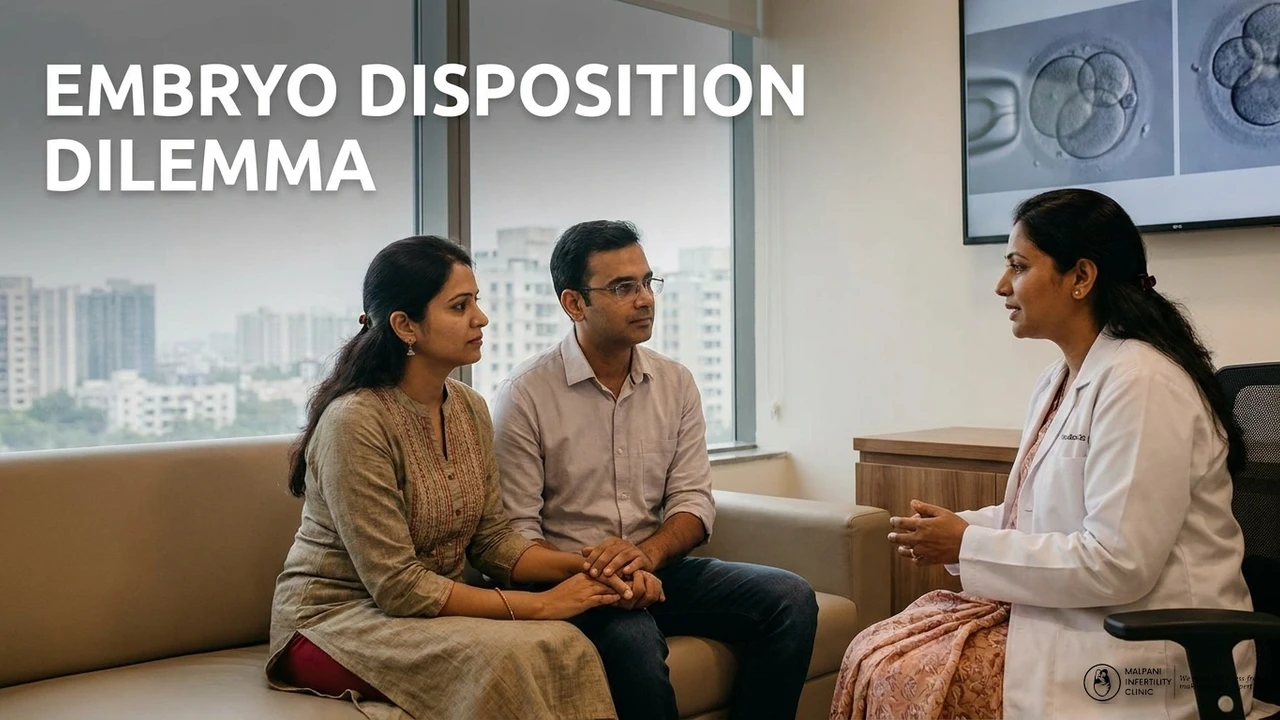
You might be reading this right now because your heart aches for a child. Maybe you have tried IVF, maybe you have been told your eggs or sperm are not good enough, or maybe you have a cupboard full of hope and a freezer full of frozen embryos, and you are wondering what happens next. It is easy to feel alone or overwhelmed by the choices, but if you pause for a second, you might see your own story reflected here.
What Happens to Frozen Embryos?
Imagine this: A couple works hard, saves up, and finally starts IVF. The process is not easy, emotionally or physically. When it works, it feels like a miracle. They have their dream family: a healthy baby, maybe even two. But what about the extra embryos, the ones left waiting in the freezing cold of a laboratory tank? Most couples are so focused on the pregnancy that they rarely think about what comes after. But those embryos are still there, still frozen, still full of potential.
Many people do not realize that freezing embryos is a standard part of IVF. Some embryos are transferred right away, and extra good-quality embryos are kept for the future. Sometimes, families are complete after one or two children. The spare embryos? They wait. Sometimes for years. Eventually, someone signs a form, and they are quietly discarded.
For every embryo that is destroyed, there is a couple somewhere desperately wishing for just one more chance at parenthood.
It is a silent, invisible loss that most people never talk about, but it happens in every fertility clinic, every year.
Is an Embryo Just “Leftover”?
When a newborn baby is abandoned, the world scrambles to find the child a loving home. We call it adoption. No one ever sees that baby as “leftover.” But when it comes to embryos, tiny, perfect, genetically unique beginnings, we too often see them as medical leftovers. It is easy to forget that behind every frozen embryo is a story, a possibility, a future that could unfold if only someone gave it a chance.
At Malpani Infertility Clinic, we have met countless couples who started off as “just another statistic,” but who have become parents through a process most people never even hear about: embryo adoption.
Here, the word “donation” does not fit. These embryos are not old furniture or unused medicine. They are the start of a new life, waiting for someone to carry them forward.
Why Do Couples Choose Embryo Adoption?
The reasons are deeply personal. Some have tried everything, IVF cycles, donor eggs, surrogacy, and nothing has worked. Others dream of pregnancy but cannot use their own eggs. Embryo adoption becomes a bridge between heartbreak and hope.
- The embryos are already created, so you know their quality.
- The adopting mother can carry the pregnancy herself, feeling every milestone and moment.
- The process can be anonymous, no awkward meetings, no complicated legal ties.
- It gives meaning to embryos that might otherwise be discarded.
For the couple donating embryos, letting go is not easy. But the choice to give another family the chance to love and nurture these embryos often brings comfort and peace. It is the hope that the story of their IVF journey does not end with a storage bill or a signed destruction form.
What Happens in Embryo Adoption?
At its heart, embryo adoption is simple: one couple passes on their spare embryos to another couple who longs for a child. The process is safe and ethical. No embryos are created for this purpose, they are simply given a new chance at life, instead of being left in limbo.
The adopting couple works with the clinic to prepare for an embryo transfer, no painful egg retrievals or complicated donor arrangements. The embryos are carefully thawed and transferred to the adopter’s womb. If successful, the adopting mother experiences pregnancy just like any other expectant parent.
For many, this feels like a true second chance. It is not just about “receiving” an embryo. It is about becoming a parent, with all the joys and anxieties that come with it.
Malpani Infertility Clinic has supported couples through every step of this journey, ensuring both the donating and adopting families feel respected, empowered, and cared for. Our approach is transparent and compassionate, and you are always in control of your choices.
Giving an embryo a chance to grow is not about charity or waste, it is about honoring the hope that started it all.
Facing the Ethical Questions
Ethical worries are common. Is it right? Is it safe? Is it anonymous?
- Ethics: Only spare embryos that already exist are used. Nothing is created for this purpose. Both families give informed consent.
- Anonymity: You can choose for the process to be completely anonymous. The two families do not have to meet.
- Respect for Life: For many, offering embryos to another family is the most respectful choice, better than indefinite freezing or destruction.
There are no perfect answers or easy decisions, but you deserve to know all your options, and the dignity that comes with each one.
Sometimes, the best guidance can come from a conversation with a caring fertility expert who will not hide the facts or sugarcoat the realities. At Malpani Infertility Clinic, we believe in honest, no-nonsense advice, because that is how families make the best decisions for themselves.
Is Embryo Adoption Right for You?
If you have failed IVF cycles, poor egg quality, or unexplained infertility, embryo adoption might be the path that finally leads to parenthood. If you have spare embryos and want to make a difference in someone else’s life, this could be your legacy of hope.
The journey is not just medical, it is deeply emotional. You are not alone in your fears, your dreams, or your confusion. Every family’s story is different, but you do not have to walk this path without support. Malpani Infertility Clinic has helped hundreds of couples find clarity, comfort, and the courage to take the next step, whatever that may be.
Frequently Asked Questions
Q: What happens to unused embryos after IVF?
A: Most unused embryos are stored in frozen tanks, sometimes for years. If families do not use them or choose not to keep paying for storage, clinics usually discard them unless they are donated for adoption or research.
Q: Is embryo adoption safe?
A: Yes. Embryo adoption uses embryos that have already been screened and frozen. The process is medically similar to a standard embryo transfer, and the adopting mother can carry the pregnancy herself.
Q: Can embryo adoption be anonymous?
A: Absolutely. The donating and adopting couples do not have to meet or share identifying information if they do not wish to. The clinic manages all communications and legal details.
Q: How is embryo adoption different from traditional adoption?
A: In embryo adoption, the adopting mother carries and gives birth to the child herself. In traditional adoption, the baby is born to another woman and then placed with the adoptive family.
Q: Who can consider donating embryos?
A: Any couple who has spare embryos after completing their family and wishes to give another couple the chance to have a child can consider embryo donation. The process is voluntary and handled with care and sensitivity.
Q: Is embryo adoption allowed in India?
A: Yes, embryo adoption is legal and regulated in India, and Malpani Infertility Clinic has extensive experience guiding couples through the process.