

Reforming Egg Donation in India: From Exploitation to Ethical Practices
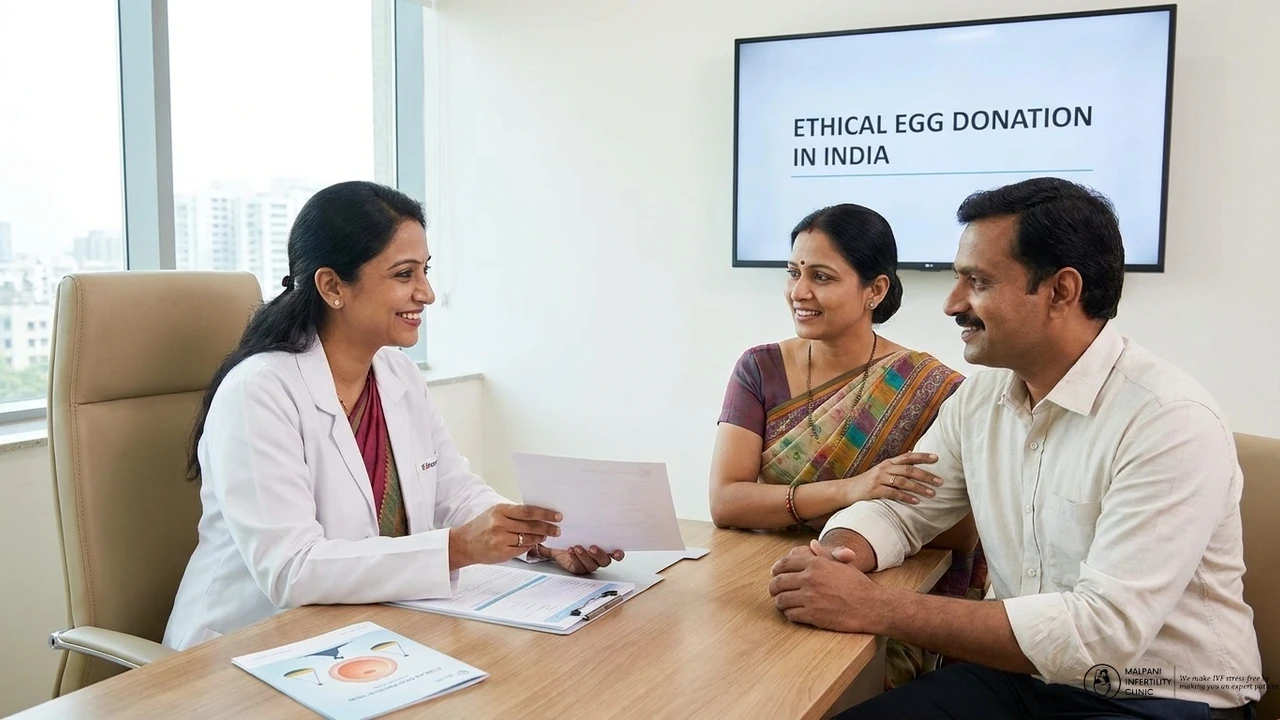
Maybe you never thought this would be your struggle. You read the news about egg donor rackets, police raids on IVF clinics, and young women being exploited for their eggs, and now you wonder: is this the system you have to trust to help you build your family? If you are an infertile couple in India, you may feel caught between desperate hope and deep unease. You want nothing more than a child of your own, but you do not want someone else to be harmed or used in the process. This is a reality many couples face, but few want to talk about openly.
The Truth About Egg Donation in India
Egg donation should be about compassion, hope, and helping people achieve the family they long for. But in India, the way donor eggs are sourced and used has created a system that often feels cold, commercial, and unsafe for everyone involved. It is hard to trust the process when you read about exploitation, aggressive middlemen, and scandals that put both donors’ and recipients’ well-being at risk.
Most other countries have moved to using frozen (vitrified) donor eggs from established, ethically run banks. This approach protects donors, makes the process safer, and gives patients better options. But in India, fresh donor eggs are still the norm. This means every new IVF cycle requires a new donor, recruited quickly and often with little oversight. The pressure to “find a match” can lead to:
- Inadequate screening of donors
- Financial coercion or manipulation
- Multiple risky procedures for the same woman
- Uncertainty about the quality or background of eggs
- Anxiety for recipients about safety and ethics
It is not just about the science. It is about people, young women who are donors, hopeful parents, and the professionals who want to do right by both. At Malpani Infertility Clinic, we believe patients deserve the full truth and a system that puts ethics and patient care first.
Egg donation in India is often driven by profit, not by what is safest or most ethical for donors and recipients.
Why the Current System Fails Both Donors and Recipients
The biggest problem is that egg donation in India has become a business. ART (Assisted Reproductive Technology) banks and middlemen recruit donors with promises of quick money, often skipping the emotional counseling or medical screening that should protect them. Many women undergo repeated hormonal treatments and surgical egg retrievals, risking their health for a small payment. Recipients, meanwhile, have little control or transparency. They may not know if the donor is healthy, what risks she faced, or even if she was fully informed about the process.
Clinics are forced to spend time managing donor logistics instead of focusing on medical excellence and patient care. The result? Longer waiting times, uncertainty about donor quality, and, tragically, stories of exploitation that make people lose faith in IVF itself.
A Better Way: Putting Ethics and Empathy First
What if egg donation in India could be different? There is a practical, humane solution that protects everyone involved. Instead of allowing ART banks to recruit and control the process, let’s separate the non-medical parts, recruitment and counseling, from the medical procedure itself.
Imagine this: Egg donors are recruited and counseled only by licensed adoption agencies or experienced social workers, not commercial agents. These professionals are trained to handle sensitive, emotional family-building situations. They know how to talk with young women about the risks, the motivations, and the meaning of egg donation. Donors receive full, honest counseling, not just about the science, but about the emotional and ethical realities.
Here is how it would work:
- Adoption agencies screen and counsel potential donors, ensuring they truly understand what donation means.
- Only after passing medical and psychological checks, are donors referred to accredited IVF clinics for egg retrieval.
- Eggs are retrieved and immediately frozen using vitrification, a proven technique that keeps eggs safe and viable for future use.
- Frozen eggs are stored in a regulated, transparent pool, available to infertile couples, with full traceability and strict quality control.
This system removes the urgency and pressure of repeated fresh cycles. Donors are not pushed into multiple risky procedures, and recipients can plan their cycles when it is best for them, not when a donor is available at the last minute.
Who Benefits from This Ethical Model?
This approach is not just more ethical, it is better for everyone.
- Donors: They are protected from coercion, given time to make decisions, and undergo fewer risky procedures. If compensation is given, it is transparent, fair, and regulated, no more shady payments through middlemen.
- Adoption agencies: By taking on recruitment and counseling, they can earn reasonable service fees that help support children in need, strengthening the entire child welfare system.
- IVF clinics: Clinics like Malpani Infertility Clinic focus on what they do best: medical treatment, safe egg retrieval, advanced cryopreservation, and embryo transfer. They avoid ethical grey areas and legal risks.
- Recipients: Couples can be confident that eggs come from thoroughly screened, well-counseled donors. Using frozen eggs means more flexibility, less waiting, and better planning, no need to scramble to match cycles or worry about last-minute changes.
- Society: The whole process becomes open, ethical, and transparent, reducing crime and restoring trust in assisted reproduction.
Survival rate for vitrified (frozen) eggs in top IVF labs worldwide, matching the success rates of fresh eggs.
What Needs to Change: Regulation and Technology
For this model to succeed, India’s regulations must catch up with science and ethics. The Surrogacy (Regulation) Act and ART (Regulation) Act should prohibit ART banks from direct donor recruitment. Only licensed adoption agencies or social welfare groups should be allowed to recruit and counsel donors. IVF clinics would maintain frozen egg banks, ensuring careful screening, anonymity options, and long-term follow-up when needed.
Some worry that involving adoption agencies could add bureaucracy or slow things down. But the truth is, the current chaos, raids, court cases, and public scandals, creates far more disruption and delay. A referral system between agencies and clinics, with digital tracking and clear timelines, can be designed just like our organ donation networks.
India already has the technology. Vitrification, the process of freezing eggs with high success rates, is available in top IVF labs, including at Malpani Infertility Clinic. What is missing is the ethical commitment and regulatory clarity to use it for everyone’s benefit. Professional bodies like the Indian Society for Assisted Reproduction (ISAR) can help by creating standard protocols and training social workers for ART counseling.
Choosing the Right Path for Your Family, and for India
As a patient, you have the right to ask hard questions. Is your clinic sourcing eggs ethically? Are donors truly protected and informed? Are you being offered the safest, most advanced options, like frozen donor eggs? Clinics that care about patients, like Malpani Infertility Clinic, believe you deserve honest answers and real choices, not just a sales pitch or a rushed cycle.
Egg donation, when done right, can be a beautiful act of empathy that helps build families without harming anyone. India can, and must, move from a system driven by profit and secrecy to one built on transparency, science, and compassion.
You do not have to accept the status quo. Ask your clinic about how they recruit donors, whether they use fresh or frozen eggs, and what safeguards they have in place. If you feel uncertain or need guidance, reach out to experts who put ethical care first. You can start by chatting directly with a fertility advisor at Malpani Infertility Clinic to discuss your personal situation and options.
Frequently Asked Questions
Q: Why is egg donation in India often considered risky or unethical?
A: Because of commercial interests and lack of oversight, many egg donors are poorly screened, inadequately counseled, and sometimes pressured into repeated procedures, risking their health and well-being. This also creates uncertainty for recipients.
Q: What is the difference between fresh and frozen donor eggs?
A: Fresh eggs are retrieved and used immediately, requiring careful coordination and often urgent donor recruitment. Frozen (vitrified) eggs are quickly frozen after retrieval and stored for future use, making the process safer and more flexible for both donors and recipients.
Q: How does Malpani Infertility Clinic ensure ethical egg donation?
A: The clinic advocates for recruiting and counseling donors through licensed adoption agencies or trained social workers, using strict screening and the latest cryopreservation technology to protect everyone involved.
Q: Can using frozen donor eggs affect IVF success rates?
A: No. With current vitrification technology, frozen eggs have survival and success rates comparable to fresh eggs in experienced IVF labs.
Q: What questions should I ask my IVF clinic about donor eggs?
A: Ask how donors are recruited and screened, whether the clinic uses fresh or frozen eggs, and what steps are taken to ensure donor and patient safety. Clinics should be transparent and open about their processes.
Q: How can I make sure my fertility journey is ethical and safe?
A: Choose a clinic that is honest about its donor recruitment process and uses modern, ethical methods like frozen egg banking. Do not hesitate to seek advice from clinics known for their integrity and patient-centered care.