

Semen Analysis: Understanding Your Fertility Test Results

- Male fertility issues contribute to up to half of all couples' struggles to conceive.
- A semen analysis checks sperm count, movement (motility), and shape (morphology), all of which are important for natural conception.
- Abstain from sex or masturbation for 3-4 days before giving a semen sample for the most accurate results.
- Use only the sterile container provided by the clinic and avoid regular lubricants, as they can damage sperm.
- Problems with sperm count, movement, or shape can lower chances of conception, but do not mean you have no options.
Have you ever stared at a medical report and felt a wave of anxiety wash over you? Maybe you’re holding your semen analysis report right now, your stomach in knots, hoping for answers but dreading what the numbers and strange words might mean for your dream of having a child. If you and your partner have been trying to conceive and are feeling lost, you’re not alone. At Malpani Infertility Clinic, we meet countless couples who are exactly where you are: searching for clarity, feeling vulnerable, and needing real, honest guidance.
Why Semen Analysis Can Feel Overwhelming, But Matters So Much
When pregnancy doesn’t happen as quickly as hoped, it’s easy to fall into the trap of self-blame or endless “what ifs.” What few people will tell you is this: male fertility issues are involved in up to half of all couples struggling to conceive. So, if your doctor has recommended a semen analysis, it isn’t just a formality. It’s a crucial piece of the puzzle, sometimes the missing piece.
Semen analysis isn’t about pointing fingers, it’s about giving you answers and control over your fertility journey.
If you’re hesitating to get tested or feeling embarrassed, know that facing the facts is a sign of courage. At Malpani Infertility Clinic, we believe in honest, direct advice: the sooner you know, the sooner you can act.
Sperm vs. Semen: What’s the Difference, and Why Should You Care?
Before you try to make sense of your report, let’s clear up a basic doubt that many men are afraid to ask: what exactly gets tested, and why?
Sperm are the tiny, specialized cells made in your testicles, the “swimmers” whose job is to reach and fertilize an egg. Semen is the fluid you see when you ejaculate. It’s made up of sperm plus nutrient-rich fluids from your prostate and other glands. This fluid keeps sperm healthy and helps them travel.
For pregnancy to happen naturally, sperm need to:
- Be present in good numbers
- Swim well (motility)
- Be well-formed (morphology)
Problems with any of these can lower your chances of conception, but it doesn’t mean you’re out of options.
How to Give a Semen Sample Without Second Guessing
Let’s be honest: giving a semen sample is awkward for most men. But done right, it gives you the most accurate picture of your fertility. Here’s the no-nonsense approach we use at Malpani Infertility Clinic:
- Abstain from sex or masturbation for 3-4 days before your test. Less than this and your count may be low; more than 5 days and sperm may not move as well.
- Use only the sterile container given by the clinic. Other containers can introduce germs or chemicals that ruin the sample.
- Ideally, collect the sample onsite. If you must do it at home, bring it to the lab within 30 minutes, keeping it at room temperature (not too hot or cold).
- Avoid regular lubricants. If needed, only use liquid paraffin, since other lubricants can damage sperm.
- Wash hands and genitals before collection. This avoids contamination.
- Try to collect the entire sample. If some is missed, tell the lab staff honestly for correct interpretation.
If you have religious or personal concerns about masturbation, discuss with your doctor, there are special collection condoms available.
What Does the Semen Analysis Actually Measure?
This is where confusion often sets in. Semen analysis isn’t about passing or failing, it’s about understanding which aspects of your sperm might be affecting your chances.
| Parameter | What It Means | Normal Range |
|---|---|---|
| Volume | Amount of semen in one ejaculation | 1.4 to 5 ml |
| Sperm Concentration | Number of sperm per milliliter | >=16 million/ml |
| Total Motile Sperm Count | Total moving sperm in the sample | >10 million |
| Motility | Percent of sperm that move | >=42% motile, >30% moving forward |
| Morphology | Percent of sperm with normal shape | >=4% (strict criteria) |
| Viscosity | Thickness of semen | Low to moderate |
| White Blood Cells | Signs of infection or inflammation | <1 million/ml |
| pH | Acidity or alkalinity | 7.2-8.0 |
Every man’s sample will be a little different each time. That’s normal. If something looks unusual, your doctor may repeat the test after a few weeks.
What If My Results Are “Abnormal”? What No One Tells You
This is the moment when most men feel panic. Here’s the truth: abnormal doesn’t mean hopeless. In fact, many men with less-than-perfect results go on to father children, sometimes naturally, sometimes with a little help.
- “Low count” or “poor motility” may just mean you need further evaluation. Sometimes lifestyle tweaks (like quitting smoking, losing weight, or treating a hidden infection) can help.
- Some men need more advanced treatments like IUI or IVF, which work around sperm issues.
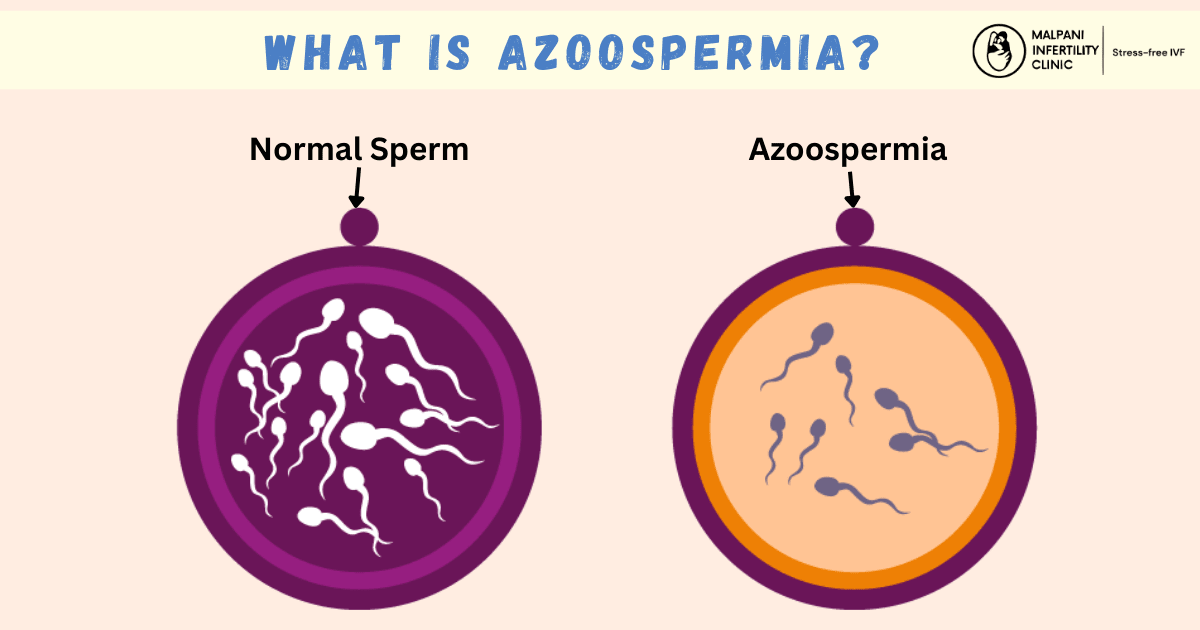
- If no sperm are found (azoospermia), there are still options, like surgical sperm retrieval or donor sperm, depending on your unique situation.
One test result does not define your future as a parent. Honest conversations with a fertility expert can open doors you didn’t know existed.
At Malpani Infertility Clinic, Dr. Malpani and his team help you cut through complicated reports, explain every finding in plain language, and, most importantly, show you the next steps that fit your goals.
Common Reasons for Abnormal Results (And What You Can Do)
Sometimes, a single illness, fever, or even stress can temporarily lower your sperm quality. Other times, the cause is more stubborn, like a blockage or hormonal issue. Here’s what could impact your numbers:
- Recent illness or high fever (effects can last up to 3 months)
- Smoking, alcohol, or substance use
- Obesity or poor nutrition
- Exposure to heat (like frequent hot tubs) or chemicals
- Hormonal imbalances
- Genetic or structural issues
The good news: most issues can be managed or worked around with the right advice and treatment. Honest, straightforward guidance is what sets Malpani Infertility Clinic apart, we don’t sugarcoat, but we also don’t let you lose hope without reason.
of all infertility cases involve male factors, testing early gives you more time to find solutions.
What to Do Next: Moving From Worry to Action
If you’re reading this, you’re already doing something brave: seeking knowledge. The next step is just as important. Don’t let numbers on a report (or the silence that follows an abnormal result) leave you stuck and anxious. At Malpani Infertility Clinic, we’re here to answer your questions, interpret your results honestly, and help you decide what to do next, always with compassion and clarity.
Frequently Asked Questions
Q: Is one abnormal semen analysis enough to diagnose male infertility?
A: Not always. Results can change due to illness, stress, or timing. Many doctors recommend a repeat test after a few weeks, unless the first report is clearly normal.
Q: How long should I abstain before giving a semen sample?
A: Aim for 3-4 days of abstinence before collection for the most accurate results.
Q: Can lifestyle changes improve my semen analysis results?
A: Yes, quitting smoking, reducing alcohol, eating a balanced diet, and avoiding heat or toxins can sometimes improve sperm quality over time.
Q: What if my report says “azoospermia” (no sperm found)?
A: This doesn’t always mean you can’t father a child. Further evaluation can reveal if sperm can be retrieved in other ways or if other options exist. Honest discussion with a fertility expert is vital.
Q: Are semen analysis results always linked to fertility?
A: Not completely. A normal semen analysis increases the chance of natural conception, but some men with normal reports still face challenges. Fertility is a couple’s issue, not just a test result.
Q: Should I bring my partner when discussing my results with the doctor?
A: Yes, infertility is a team issue. Both partners should understand the findings and next steps together for the best outcomes.