

Should I Remove My Hydrosalpinx Before IVF?
Maybe you have just heard the words: “You have a hydrosalpinx.” Suddenly, everything you thought about IVF feels uncertain. You have already faced so much: months or years of trying, endless scans, and now, another hurdle. You are not alone. Many women with blocked tubes—especially those told they have hydrosalpinx—feel confused, anxious, and pressured to make a quick decision about yet another surgery. If this is you, let us talk about what hydrosalpinx really means for your IVF chances, what the science says, and what nobody else bothers to explain.
What Is Hydrosalpinx, and Why Does It Matter?
Hydrosalpinx is a medical term for a Fallopian tube that is blocked and filled with fluid. This might sound technical, but for you, it probably translates into a lot of worry and questions. The main concern is that this fluid can leak back into the uterus and negatively affect your chances with IVF.
Here is why this happens:
- Toxic Fluid: The fluid inside a hydrosalpinx is not just “water”—it can contain inflammatory substances that make it hard for an embryo to survive.
- Physical Barrier: The fluid can physically “wash out” embryos before they have a chance to implant.
- Unfriendly Environment: It can change the lining of the uterus, making it less welcoming even for a healthy embryo.
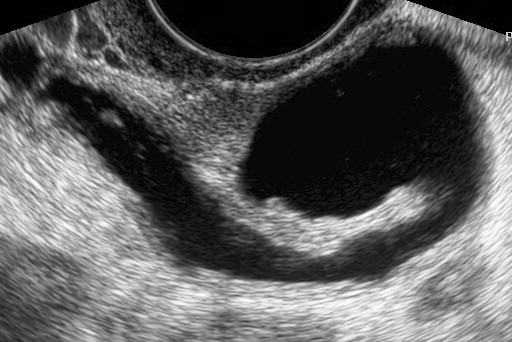
For some women, especially those with endometriosis or pelvic infections in the past, the risk of developing hydrosalpinx is higher. Seeing that telltale “black bubble” on your ultrasound can be heartbreaking, especially if you have already been through failed cycles.
Image via Wikipedia
The Standard Advice: Should Everyone Have Surgery?
It is very common for women with hydrosalpinx to be advised to have surgery—either to remove the affected tube or to “clip” it to stop the fluid from reaching the uterus—before starting IVF. Most clinics and doctors recommend this almost by default. But is it always necessary, and is it even helpful for everyone?
Here is what you are probably not told:
- Most of the studies that showed benefit from surgery looked at women with large, obvious hydrosalpinges (not small or subtle ones).
- Many clinics now remove or block all tubes with even the smallest hydrosalpinx, even when the benefit is unclear.
- Surgery is not risk-free. Any operation, even a “simple” laparoscopy, can potentially reduce blood flow to your ovaries and impact your ovarian reserve. This means fewer eggs, and possibly lower IVF success in the future.
Removing a hydrosalpinx is not always the best or only option, especially for women with small or asymptomatic tubes.
Sometimes, the “standard advice” ends up being more about following a protocol or billing for another procedure, rather than truly individualised care. At Malpani Infertility Clinic, we believe patients deserve the full picture, not just a rushed consent form.
Is There a Simpler Solution Than Surgery?
Many women worry that without surgery, their IVF cycle is doomed. But what if there is a less invasive, safer alternative—one that most clinics do not mention?
During the egg collection part of IVF, the hydrosalpinx fluid can often be safely drained or “aspirated” through the vagina using ultrasound guidance. This simple step removes the toxic fluid before embryo transfer, without any cuts or stitches.
Here is why this matters:
- No need for a separate, expensive surgery.
- No added risk to your ovaries or fertility potential.
- Zero recovery time—this is done alongside your egg retrieval.
Research shows that aspiration can improve pregnancy rates compared to doing nothing. It is not as permanent as removing the tube, but for many women with a small or first-time hydrosalpinx, it works well—especially when you are hoping to avoid extra surgery.
of cases see hydrosalpinx fluid re-accumulate within 24–48 hours after aspiration, so timing and case selection matter.
What Nobody Tells You: Weighing the Pros and Cons
Every patient and every tube is different. Some women have large, repeated, or highly symptomatic hydrosalpinges—these may need surgery. Others have tiny tubes found only on a scan, and for them, surgery may be more harmful than helpful.
Consider these facts before agreeing to any operation:
- Size matters: The benefit of surgery is proven mainly for large hydrosalpinges.
- Ovarian reserve counts: If your egg count is already low, surgery that affects blood flow to the ovaries can be a real risk.
- There is always a choice: You can opt for aspiration at the time of egg collection, especially if your hydrosalpinx is small and not causing symptoms.
- Ask questions: If a doctor insists on surgery, ask why. Ask about your own risks, your own ultrasound findings, and your own ovarian reserve. A good doctor will welcome your questions.
Not every hydrosalpinx needs surgical removal before IVF—sometimes, less really is more.
At Malpani Infertility Clinic, our role is to help you make an informed decision, not just to push you down the assembly line. We believe in honest, patient-friendly guidance, so you feel empowered, not pressured or confused.
How We Guide You at Malpani Infertility Clinic
Fertility treatment is never “one size fits all.” Every woman’s tubes, ovaries, and personal journey are unique. Here is how we approach hydrosalpinx at our clinic:
- Thorough Diagnosis: We use detailed ultrasound scans and, if needed, laparoscopy to truly understand your case.
- Shared Decisions: We walk you through the pros and cons of surgery versus ultrasound-guided aspiration, tailored to your health, age, and wishes.
- Minimal Intervention: We avoid unnecessary surgeries. If aspiration can give you a fair chance, we will always offer that option first, especially for small hydrosalpinges.
- Personal Support: Our team is here to answer your questions with honesty—because you deserve to know what is best for your body and your future family.
You do not have to make this decision alone. If you are feeling lost or overwhelmed, consider chatting with Dr. Malpani for straightforward, personalised advice based on your unique situation.
Frequently Asked Questions
Q: What exactly is a hydrosalpinx, and how does it affect my IVF chances?
A: A hydrosalpinx is a blocked Fallopian tube filled with fluid. This fluid can spill into the uterus and harm embryos, reducing the chances of a successful IVF pregnancy.
Q: Is surgery the only way to deal with a hydrosalpinx before IVF?
A: No, not always. For many women, especially with small hydrosalpinges, draining the fluid during egg collection is a safe, non-surgical option that can improve IVF outcomes without extra risk.
Q: Does everyone with hydrosalpinx need their tube removed?
A: No. Surgery is mostly beneficial for women with large or symptomatic hydrosalpinges. For smaller or first-time cases, aspiration may be enough.
Q: Can the fluid come back after it is drained?
A: Yes, in about 30 percent of cases, the fluid can re-accumulate within a couple of days. This is why monitoring and timing are important.
Q: What risks are there with hydrosalpinx surgery?
A: Any surgery carries risks, including possible damage to ovarian blood supply and reduced ovarian reserve, which can affect future fertility.
Q: How do I know which option is right for me?
A: The best approach depends on your hydrosalpinx size, symptoms, ovarian reserve, and personal priorities. A fertility specialist can help you weigh your options based on your unique profile.