
The limits of IVF technology
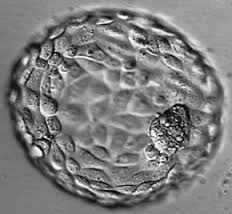
When you finally make the decision to pursue IVF, it is often after months or years of heartbreak, endless questions, and the constant feeling of things being out of your control. You hope the science and the experts will finally tip the odds in your favour. But what happens when even the best technology cannot promise certainty? If you have ever wondered if modern medicine can really guarantee a baby, or felt defeated by the unpredictability of your embryos’ growth, you are not alone. Many couples sit across from us, eyes filled with hope and anxiety, asking: how much can IVF really do?
- IVF labs are highly advanced, but embryo quality still depends on your unique biology.
- No technology can fix a poor-quality egg or sperm, but a great lab nurtures your embryos safely.
- Photographs and transparent updates from your lab are your best assurance of quality care.
- Focusing on what you can control helps you make better treatment decisions.
- Malpani Infertility Clinic helps you understand the limits and possibilities of IVF with honest guidance.
What the IVF Lab Can (and Cannot) Do
The IVF laboratory is the heart of your treatment, working behind the scenes to handle your eggs, sperm, and embryos with utmost care. Our job is to provide your embryos with a safe, nurturing environment, free from toxins and stress. We use state-of-the-art incubators and culture media, constantly monitoring temperature and air quality, all so your embryos stand the best chance of growing into healthy blastocysts: the stage ready for transfer or freezing.
But here is what most people are not told: no matter how advanced the lab, we cannot change the fundamental raw materials, your eggs and sperm. The quality of your embryos depends largely on the health and energy of your eggs’ mitochondria and the DNA inside your sperm. There is no magic supplement or laboratory trick that can transform a poor-quality egg or sperm into a perfect embryo. This is a hard truth, and it can feel frustratingly unfair.
Why Embryos Sometimes Do Not Grow as Expected
It is natural to blame yourself or the clinic when embryos do not develop well, especially if you have chosen a reputable center. But science has its limits. Embryos may stop growing for reasons we cannot see or fix: chromosomal imbalances, damaged DNA, or simply the natural wear and tear that comes with age.
Many patients worry that something went wrong in the lab. In reality, the most crucial thing an IVF lab can do is protect your embryos from harm, not "improve" them. If your clinic has skilled embryologists, high standards, and can show you photos of your embryos at each stage, you can be confident your embryos were given every chance to thrive.
When embryos do not grow well despite excellent lab conditions, it is almost always because of their innate quality, not because of a mistake in the lab.
The Emotional Weight of IVF’s Limits
For many couples, the hardest part is accepting that not everything is under our control. You may feel helpless, angry, or lost, especially if you have done everything "right" and still have few or no embryos to transfer. This is where a supportive, transparent clinic makes all the difference. At Malpani Infertility Clinic, we believe in giving you honest answers, not sugarcoating or false hope.
We provide photos and clear updates so you can see the journey your embryos have taken. We explain what happened, what your options are for the next steps, and how you can focus your energy on what is actually within your control, such as choosing the best treatment plan for your unique situation.
How to Make Better Decisions with Honest Guidance
Many patients are surprised to learn that there is no test or technology that guarantees a live birth. But this does not mean you are powerless. Here are ways to take charge of your IVF journey:
- Ensure your clinic shares embryo photographs and detailed reports with you.
- Ask your doctor to explain what your embryo quality means for your chances.
- Understand that age and underlying egg/sperm quality are often the most important factors.
- If you have had poor embryo growth, discuss possible next steps: a different stimulation protocol, donor gametes, or additional testing.
- Choose a clinic that is honest about success rates and does not oversell technology as a cure-all.
At Malpani Infertility Clinic, we guide you through these decisions with empathy and candor. We want you to have realistic expectations, so you can plan emotionally, physically, and financially.
of embryo development problems in IVF are due to egg or sperm quality, not lab error or protocol.
Why Transparency Matters in Your IVF Journey
One practical way to protect yourself from uncertainty is to demand transparency. Insist on seeing photographs of your embryos at each stage. This is not just a "nice to have", it is your right. Photos are proof that your embryos were nurtured with care. They help you trust the process, even when the outcome is not what you hoped for.
It is also your right to ask questions, seek a second opinion, or discuss your experience openly. At our clinic, we encourage patients to reach out with their concerns, and we welcome detailed discussions about their cycles, no matter the result.
Choosing a clinic that values transparency and honest communication can make the journey less lonely and more empowering.
Frequently Asked Questions
Q: Why do some embryos stop growing, even in a top-quality IVF lab?
A: Most embryos stop developing due to issues with the eggs or sperm, such as genetic or chromosomal abnormalities. Even the best labs cannot fix these innate quality problems.
Q: Can technology improve the quality of my eggs or sperm during IVF?
A: Currently, no technology exists that can change the genetic quality of your eggs or sperm. The lab can only provide a safe, nurturing environment; it cannot make poor-quality gametes better.
Q: What should I expect from my clinic in terms of embryo updates?
A: You should receive clear, regular updates and photographs of your embryos at each major stage. This level of transparency shows your embryos were handled with care.
Q: If I have poor embryo growth, does it mean the lab made a mistake?
A: Usually not. Most cases of poor embryo growth are due to the natural quality of the eggs or sperm and not because of lab error. A reputable clinic will explain this and show you evidence.
Q: How do I know if my IVF lab is trustworthy?
A: Look for transparency in reporting, willingness to share photos, experienced staff, and honest communication about your chances and options.