

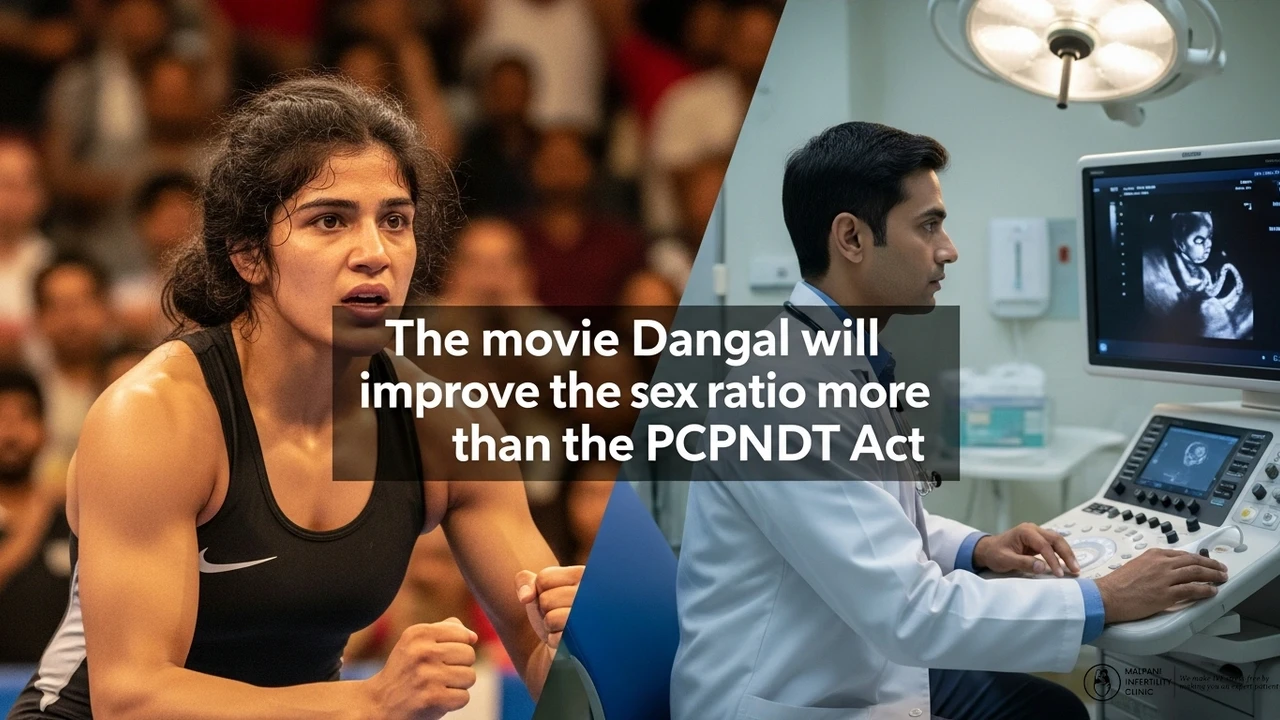
The movie Dangal will improve the sex ratio more than the PCPNDT Act
If you have ever felt the silent pressure from relatives asking, "When are you giving us a grandson?" or seen the unspoken worry on your partner's face during an ultrasound appointment, you are not alone. For thousands of hopeful parents, the joy of expecting a child becomes mixed with anxiety about whether society, family, or even the healthcare system will judge them for simply wanting a healthy baby—boy or girl. It cuts deeper than statistics: it is about the right to hope, to love, and to bring up a child without fear or bias.
Why the Sex Ratio Still Hurts So Many Families
For decades, India’s declining sex ratio has been a headline. The government’s response was the PCPNDT Act—a law meant to stop sex-selective abortion and protect unborn girls. The goal was noble: to improve the number of girls born every year. Yet, for many couples, the Act has ended up creating more anxiety and confusion than comfort.
Instead of focusing on families who may be under social pressure to choose a boy, the law has mainly targeted doctors, treating them as criminals for even minor paperwork mistakes. In reality, most doctors who face legal action are not actually performing illegal abortions. They are often penalized for small errors in filling out forms like the infamous Form F. The system assumes guilt first and demands innocence be proven, turning healthcare into a source of fear for both doctors and patients.
The fallout is real for patients too. Many women are denied safe ultrasound scans, not because they seek sex selection, but because clinics fear legal trouble. Worse, while the government obsesses over ultrasound misuse, other unregulated methods—like illicit blood tests for fetal sex—slip through the cracks.
Most families just want a healthy baby, but the system can make them feel like suspects for wanting simple, safe care.
How Culture Shapes Choices in Every Home
No law can truly reach into the private hopes and fears of every couple. The pressure to have a boy is not just about tradition—it is woven into everyday life. From inheritance to family name, from dowry concerns to social status, the reasons people hope for sons are complicated and deeply personal. But those same choices can lead to heartbreak, shame, and even lost opportunities for couples struggling with infertility.
At Malpani Infertility Clinic, we have met countless women and couples who simply want a chance to become parents—no matter if the child is a boy or girl. They speak about feeling isolated by a society that questions every decision. They share how each failed attempt or disappointing scan brings not just personal sadness, but also the weight of family and community expectations.
What is often missing from the national conversation is compassion for those caught in the crossfire. Fertility struggles are hard enough. Adding the stress of outdated beliefs or fear of legal trouble only makes the journey lonelier.
Can Films Like "Dangal" Change Hearts?
While laws set boundaries, stories change minds. Films like "Dangal" do what no law or government slogan can: they show, in a way that touches every viewer, that girls are just as strong, smart, and valuable as boys. Set in Punjab, where the desire for sons runs deep, "Dangal" tells a story not just of wrestling, but of breaking barriers. It makes every parent feel that having a daughter is something to be proud of.
Aamir Khan’s performance is more than entertainment; it is a mirror for families across India. Instead of preaching or blaming, the film celebrates the everyday courage of daughters and the fathers who support them. When viewers see girls celebrated on the big screen, it begins to shift what feels normal and acceptable in their own lives.
Unlike campaigns or slogans—no matter how well intended—these stories have a chance to reach deep into people’s hearts and slowly, but surely, change attitudes at home. It will take time, but it is a change that lasts because it is chosen, not forced.
Why Compassionate Care Matters for Every Couple
If you are reading this, maybe you are tired of being told what you should want—or being made to feel guilty for your choices. Maybe you have faced judgment just for asking for an ultrasound, or you have worried about what others will think if you have another daughter. Or maybe you simply want honest, supportive guidance as you try to build your family.
Malpani Infertility Clinic believes in empowering every couple to make informed, confident decisions—without fear, guilt, or shame. We understand the stigma and the silent battles families fight every day. Our goal is to support you with clear advice, advanced technology, and, most importantly, open-hearted care, so that you can focus on what truly matters: giving your love to the child you are meant to have.
- We provide expert guidance on all aspects of fertility and reproductive health—no judgment, just support.
- We ensure all diagnostic and treatment options are explained simply, so you can choose what is right for you.
- We help you navigate legal and ethical questions, so your only worry is what is best for your family.
If you are unsure about your next step, a confidential chat with Dr. Malpani can help clarify your options and bring peace of mind.
Hope for a Better Tomorrow
Change is slow, but it is happening. More couples today are proudly celebrating the birth of daughters. Schools, films, and families are rewriting what it means to care for a child, no matter their gender. While laws like the PCPNDT Act may play a role, the real victory will come from each family, each parent, and each child who chooses to believe in equality and hope.
No policy can replace the power of a story that makes you feel seen, or the relief of finding a clinic that treats you like a person, not a problem. Wherever you are in your journey—whether you are facing infertility, thinking about your first scan, or simply hoping for a healthy child—know that change is possible, and support is only a conversation away.
Frequently Asked Questions
Q: What is the PCPNDT Act?
A: The Pre-Conception and Pre-Natal Diagnostic Techniques (PCPNDT) Act is a law in India that aims to prevent sex-selective abortions by regulating the use of ultrasound and other diagnostic tools for determining a fetus's sex.
Q: Why did the PCPNDT Act target doctors?
A: The Act focused on healthcare providers because they have access to technology that can reveal fetal sex. Unfortunately, most legal actions under the Act are for minor clerical errors, not for actual sex-selective practices.
Q: Can I get a safe ultrasound during pregnancy?
A: Yes, but some clinics may be hesitant due to legal fears. At Malpani Infertility Clinic, we provide safe, necessary ultrasounds and ensure you understand every step.
Q: How can I deal with family pressure about having a son?
A: Remember, you are not alone. Finding supportive healthcare providers and connecting with others who value girls equally can help ease the pressure and build confidence in your choices.
Q: Can films and media really change attitudes about girls?
A: Yes. Stories like "Dangal" can reshape how people see daughters, making it easier for families to celebrate every child, regardless of gender.
Q: How can Malpani Infertility Clinic support me?
A: We offer expert advice, transparent information, and compassionate care tailored to your unique situation—whether you need fertility treatment, counseling, or just someone to talk to about your concerns.