

Third-Party Financing Could Support Rooftop Solar in India
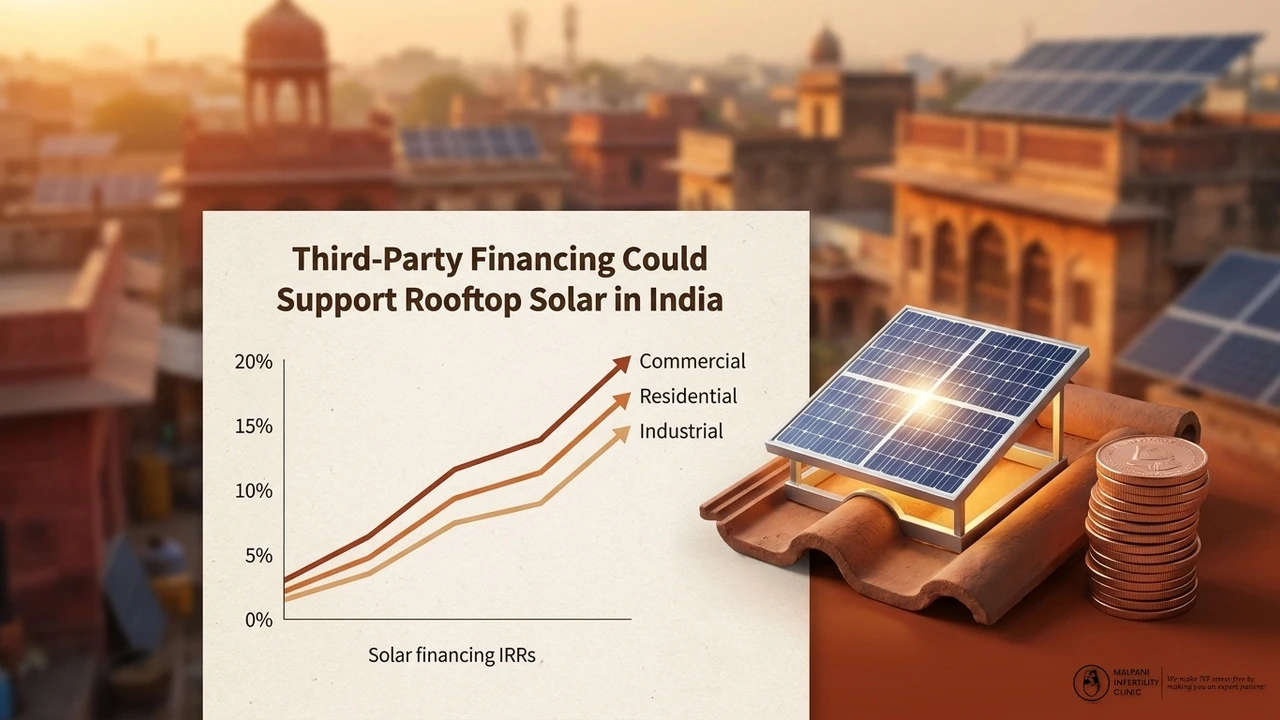
It starts with a dream: you want your home or business to finally run on clean, affordable solar power. You have done your homework, maybe even asked your neighbor about their shiny rooftop panels. Then reality hits. The upfront cost sounds steep. The paperwork seems endless. You wonder: Is going solar in India really possible for someone like me?
Why Rooftop Solar Is Worth Considering
India’s rooftop solar mission is more than a government campaign. It is a chance for everyday people to take control of their electricity bills, help the environment, and feel a sense of pride every time the sun shines. The government has set an ambitious goal: 40 GW of rooftop solar by 2022. For families and businesses, the biggest block is often the upfront cost. But here is the good news: third-party financing is making rooftop solar accessible like never before.
How Third-Party Financing Works
Imagine not having to buy the solar panels yourself. Instead, a developer installs and owns the rooftop solar system on your property. You get clean energy and simply pay for the electricity you use, usually through a long-term agreement called a Power Purchase Agreement (PPA). The developer takes care of installation, maintenance, and performance worries. You save money and avoid the stress of managing a new technology.
- No upfront cost: The developer invests in the equipment and setup.
- Pay-as-you-go: You only pay for the power you actually use, often at a rate lower than your current electricity bill.
- Worry-free maintenance: The developer is responsible for keeping the system running smoothly.
The biggest relief for many is letting someone else handle the funding, installation, and technical headaches while you get the energy savings.
This model is already supporting about 13% of rooftop solar installations in India, with the potential to do much more if more people are aware of it and banks become more comfortable lending for these projects.
Why Third-Party Financing Is a Game Changer
For years, the high upfront cost and complicated paperwork kept people from embracing rooftop solar. Even though the costs of solar panels have come down, a typical installation can still feel out of reach for most families and small business owners. Banks are cautious, often seeing these projects as risky because of limited track records and uncertainty about how well the systems will perform over time.
Third-party financing models shift these risks away from you. The developer—who knows the technology and the business—takes on the risk and responsibility. You get to save money from day one and focus on your life or business, not on learning how to maintain a solar power plant.
You could reduce your electricity bills by up to 90% with a well-designed rooftop solar system supported by the right financing.
The government is also making rooftop solar more attractive with capital subsidies and incentives. For example, you may get financial assistance ranging from 20% to 40% of the installation cost, depending on your location and system size.
The Real Challenges and Honest Solutions
Let us be clear: third-party financing is not magic. There are still hurdles. Getting loans for rooftop solar projects in India can be hard, especially since each project is usually small and banks are still learning how to assess the risks. Sometimes, the paperwork drags on. Some states have complicated rules for net metering, and there are delays in getting approvals from local electricity companies (DISCOMs).
If you feel lost in the process, you are not alone. Many people give up because no one explains the full picture. The truth is, you need to:
- Check your eligibility for government subsidies and incentives
- Ask your developer about the terms of the power purchase agreement
- Understand the repayment plan if you choose a loan or EMI option
- Clarify how maintenance and repairs will be handled
- Make sure the paperwork is clear and the developer is reputable
The right guidance can make all the difference. At Malpani Infertility Clinic, we have seen how the right advice at the right time can change lives. While our expertise is in helping families grow, we know that making big decisions—whether for your family or your home—requires honest advice and a clear path forward.
What Should You Do Next?
Solar power is no longer only for the wealthy or the highly technical. With third-party financing, it is possible for anyone willing to ask the right questions and seek trustworthy partners. Do not let worries about cost or paperwork stop you from exploring a cleaner, more affordable future. Whether you are planning your family or your energy use, smart decisions today can change everything tomorrow.
If you are considering rooftop solar, make a checklist, do your homework, and do not hesitate to ask for help. Honest advice can save you money, time, and stress. Let experts guide you through the maze of financing options, subsidies, and technical choices so you can make the most of this opportunity.
Frequently Asked Questions
Q: What is third-party financing in rooftop solar?
A: In third-party financing, a company installs, owns, and maintains the solar system on your property. You pay for the electricity generated, usually at a lower rate than regular grid power, without having to pay the full cost upfront.
Q: Do I need to pay anything upfront for third-party financed solar?
A: Usually, you pay little or nothing upfront. The developer covers the installation costs, and you pay only for the electricity you use as per your agreement.
Q: Who handles maintenance and repairs?
A: The third-party developer is responsible for all maintenance, repairs, and performance monitoring. You simply enjoy the energy savings.
Q: Are there government subsidies for rooftop solar in India?
A: Yes, the Indian government provides capital subsidies and other incentives for residential and commercial rooftop solar installations. The percentage can vary based on your state and system size.
Q: How do I know if my home or business is eligible?
A: Eligibility depends on factors like rooftop space, local regulations, and sometimes credit checks if you choose a loan. A reliable developer or consultant can help you assess your options.
Q: Is rooftop solar only for big companies?
A: No, with third-party financing and government incentives, rooftop solar is becoming accessible to families, small businesses, and anyone looking to reduce electricity costs.