

When Should We Transfer Your Embryos?

If you have made it this far on your IVF journey, you know the intensity of waiting, hoping, and wondering if you are finally about to hold your dream in your hands. The embryo transfer is that moment: the day when hope, science, and your longing for a child all come together. But as you prepare for this crucial step, difficult questions can keep you up at night. Should your embryos be transferred on day 2, 3, or 5? Does the timing really make a difference? How do you make sure you are giving yourself the best chance possible—without risking the complications of multiple pregnancies? If you have been wrestling with these questions, you are absolutely not alone.
Why Is Embryo Transfer Timing So Important?
After all the injections, scans, and daily anxieties, you want to know: what gives you the highest chance of success? The truth is, human reproduction is not as efficient as we wish it were. Even in the most advanced IVF clinics, most embryos do not become babies. Often, the reason lies in genetic errors within the embryo, which are completely random and out of your control. Nature has its own quality control, and only embryos with the right genetic makeup will implant and grow. That is why, even for top-quality embryos, the chance of implantation is about 40%.
Many couples are surprised to learn that even perfect-looking embryos might not implant because the genetic lottery is, in part, outside anyone’s control.
So how do you choose the right embryo, and on which day? Should you transfer just one, or take the risk of transferring more? These decisions can feel overwhelming, especially when every option seems to come with its own mix of hope and worry.
Understanding the Days: Day 2, Day 3, or Day 5?
In some clinics, embryos are transferred on day 2 or day 3 after fertilization. This is often because their laboratory may not have the capability to grow embryos to the later blastocyst stage. To compensate, they might transfer more embryos at once, hoping that at least one will implant. But this comes with real risks: transferring multiple embryos increases the chance of twins or triplets, which can lead to premature birth and complications for both mothers and babies.
At Malpani Infertility Clinic, our approach is different. Our state-of-the-art lab allows us to culture embryos to day 5, when they reach the blastocyst stage. This is a milestone: at this point, embryos have developed further and are more likely to implant successfully. Not all embryos make it to day 5, but those that do have shown they are robust and ready for the next step.
Why Day 5 Embryo Transfer Is Often the Best Option
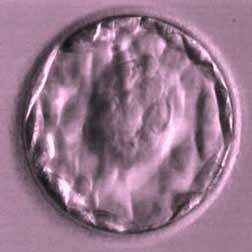
Transferring embryos at the blastocyst stage (day 5) has clear benefits, both medically and emotionally:
- Better Selection: Embryos that reach day 5 have survived the most critical stages of early development. This helps us select the best possible embryo to transfer.
- Single Embryo Transfer: Because blastocysts have a higher chance of implanting, we can confidently recommend transferring just one. This greatly reduces the risk of twins or triplets.
- Spare Blastocysts Can Be Frozen: Any additional top-quality blastocysts can be safely frozen for future use, giving you more chances without going through another full IVF cycle.
- Lower Multiple Pregnancy Risks: By transferring fewer embryos, we help protect both mother and child from complications linked to multiple pregnancies, such as premature birth and low birth weight.
All of this is only possible with a high-quality IVF laboratory. The skills and protocols in our lab at Malpani Infertility Clinic are designed to give every embryo the best chance to reach the blastocyst stage—and give you the best chance at a healthy singleton pregnancy.
How Many Embryos Should You Transfer?
It is completely understandable to think that transferring more embryos might boost your odds. Many patients feel pressure from previous failed cycles or from seeing others take this route. However, transferring multiple embryos does not guarantee success—it only increases the chance of twins or triplets, which are much riskier for both mother and babies. International best practices now strongly recommend single embryo transfer in most cases, especially when transferring day 5 blastocysts.
Implantation rate for top-quality blastocyst (day 5) embryos at leading clinics.
At Malpani Infertility Clinic, we always discuss these options openly with you. We want you to make an informed decision, not just follow what someone else did or what you read online. We believe in giving our patients every piece of information—nothing hidden, and no false promises.
What Happens to Spare Embryos?
One of the biggest advantages of a day 5 embryo transfer is the ability to freeze extra blastocysts. These can be used later if you decide to grow your family further or if the first transfer is not successful. Freezing at the blastocyst stage also means these embryos have already shown their ability to reach a key developmental milestone, giving you greater confidence in their quality.
Our clinic uses the most advanced freezing techniques to ensure the highest survival and implantation rates when you are ready to use your frozen embryos. This also means you can avoid the emotional and physical stress of repeating ovarian stimulation and egg retrieval.
How Do You Decide What Is Right for You?
There is no one-size-fits-all answer. The best day for embryo transfer depends on your unique situation: your age, your embryo quality, your medical history, and sometimes, your previous IVF experiences. That is why a transparent, caring conversation with an experienced doctor matters so much. At Malpani Infertility Clinic, we guide you through these decisions step by step, making sure you understand the pros and cons of every option.
Making the right choice about embryo transfer is not just about science—it is about what feels right for you and your family, with expert support at every turn.
We want you to feel empowered, not pressured. That is why we spend time explaining your embryo development, showing you the photos, and helping you understand exactly what is happening at each stage. This is your journey, and you deserve to be fully informed and involved in every decision.
Frequently Asked Questions
Q: Why is day 5 embryo transfer often preferred over day 2 or 3?
A: Day 5 embryos, called blastocysts, have developed further and are more likely to implant successfully. Transferring at this stage allows for better embryo selection and reduces the need to transfer multiple embryos.
Q: Will transferring more embryos increase my chances of pregnancy?
A: Not necessarily. Transferring more embryos increases the risk of multiple pregnancies, which come with higher chances of complications. A single high-quality blastocyst gives an excellent chance of success with fewer risks.
Q: What happens to unused embryos?
A: Extra top-quality embryos can be frozen for future use. This gives you additional chances for pregnancy without undergoing another full IVF cycle.
Q: How is the day of embryo transfer decided?
A: The decision depends on factors like embryo development, your medical history, and lab capabilities. At Malpani Infertility Clinic, we always discuss your options and recommend what is safest and most effective for you.
Q: What if my embryos do not reach the blastocyst stage?
A: Not all embryos will reach day 5. If this happens, your doctor will discuss alternative plans, such as transferring earlier-stage embryos, based on your specific case.
Q: Is embryo transfer painful?
A: Embryo transfer is usually a simple, painless procedure, similar to a pap smear. You may feel mild discomfort from having a full bladder, but the process itself is quick and gentle.