

Why IVF Babies Get a Head Start
Some nights, you lie awake wondering if all the effort, the tears, and the endless appointments will be worth it. And when you picture finally holding your baby after IVF, a new worry creeps in: Will my child be healthy? Will they be just as strong, just as bright, just as loved as any other? Maybe you have heard whispers about IVF babies being “different,” or felt that nagging fear that science is somehow taking a shortcut nature will punish later. If you have ever felt this, you are not alone. And, honestly, you are asking the right questions, because you care so deeply.
- IVF babies are just as healthy and capable as those conceived naturally, with no increased risk of developmental delays or educational challenges.
- Couples who become parents through IVF are often more prepared, deliberate, and deeply invested in raising their child.
- The love and resilience built through the IVF journey often give IVF families a unique strength and perspective.
- Modern IVF techniques and genetic screening make the process safer and more reliable than ever before.
- What truly shapes a child is the home and care they receive, not the few days spent in a lab.
Your Worries are Real, but So is the Science
Let us get right to what keeps you up at night: Are IVF babies weaker, or at higher risk for something going wrong? Studies involving hundreds of thousands of children have shown that IVF does not put your baby at a disadvantage compared to children conceived naturally. Developmental milestones, school performance, and general health are the same whether your baby came from a petri dish or a bedroom. In fact, the difference in risk for birth defects between IVF and naturally conceived babies is less than 1 percent, and much of that is connected to the underlying fertility issues, not the IVF process itself.
babies have been born worldwide through IVF, and the vast majority are healthy and thriving.
What about the scary headlines about genetic conditions or developmental disorders? Here is what nobody tells you: Couples who need IVF often have factors like age or existing health concerns that slightly raise the risk on their own. When you compare IVF babies to children born to infertile couples who conceive naturally, the difference practically disappears.
IVF Parents: Prepared in a Different Way
Most people become parents by accident or by routine. But if you are reading this, you know IVF is not something you stumble into. You have probably already faced:
- Years spent wanting and waiting
- Needles, scans, and medications
- Endless “advice” from relatives and friends
- The heartbreak of a negative test, more than once
- Budgeting, planning, and making tough decisions
You do not get a casual parent after IVF. You get someone who has already paid for this child in a currency most parents never even recognize.
This journey changes people. IVF parents tend to be older, more focused, and more patient. They have read every article, asked every question, and built a home ready to welcome a child. You are not just “hoping for the best.” You are working for it, every single day.
What Shapes an IVF Baby’s Future?
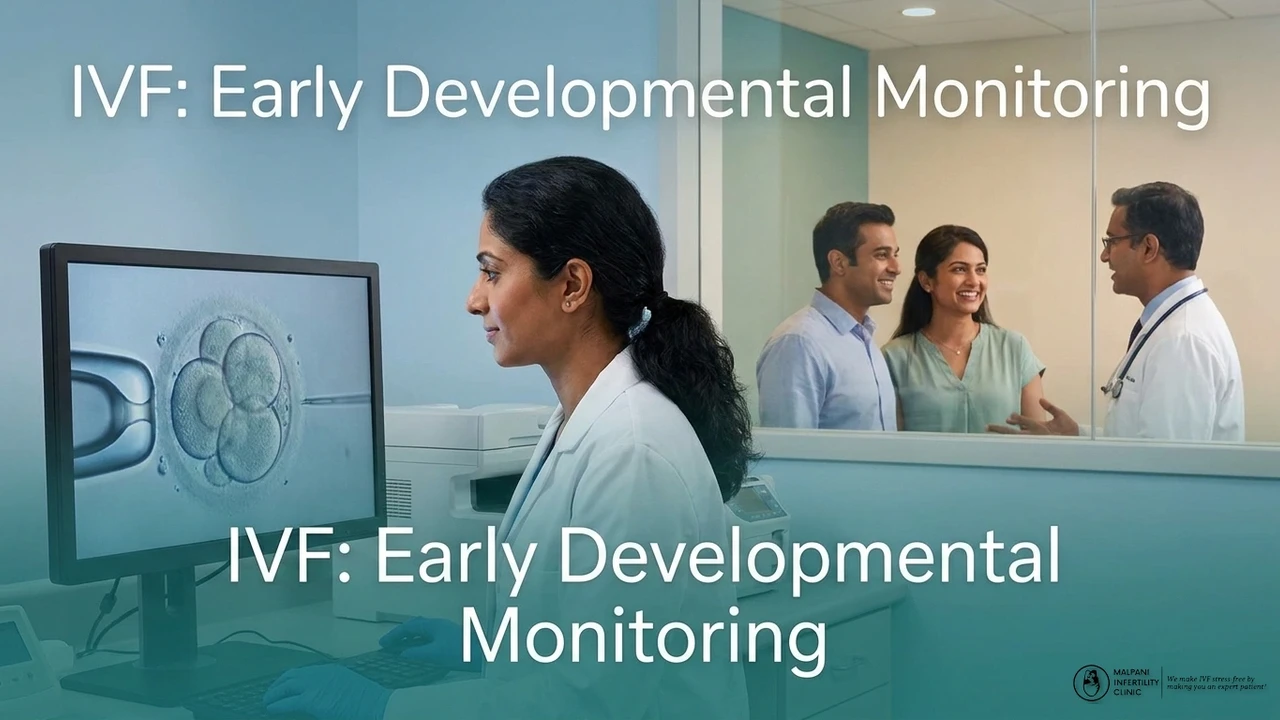
Here is the honest truth: The embryo spends a handful of days in a carefully monitored incubator. But it will spend a lifetime in your arms, your home, your care. The environment, love, and attention you provide have a far bigger impact on your child’s future than the details of their conception.
At Malpani Infertility Clinic, we see this every day. Our patients are not just “trying” for a baby, they are building a family with intention. They do not take anything for granted. Whether it is waking up for a midnight feed or guiding their child through school, IVF parents bring a depth of gratitude and purpose that shapes everything.
And if you are worried about the science: Modern IVF allows us to screen embryos for chromosomal issues before transfer, using techniques like preimplantation genetic testing (PGT). This means you can make informed choices, reduce risks, and increase the chances of a healthy outcome. But the real advantage is not just in the technology. It is in the mindset and commitment you bring to parenting.
The Emotional Cost, and the Lasting Reward
Let us not sugarcoat it: IVF is hard. The physical side is tough enough, but the emotional toll is often greater. You ride waves of hope and disappointment, sometimes for years. You watch friends announce pregnancies and wonder if your turn will ever come. The path is not easy, but it changes the way you think about family, love, and resilience.
Here is what we have seen, time and again: When you finally hold your baby, after all the waiting and heartbreak, the joy is deeper. You know what it cost, and you treat it as something sacred. Our patients often tell us they are more patient, more attentive, and more grateful parents because of what they went through. That is the real head start, one that cannot be measured in statistics or lab reports, but shows up in every bedtime story and every “I love you.”
How Malpani Infertility Clinic Helps You Do It Right
You deserve honest answers, not sugar-coated promises. Our role is to guide you, not just through the science, but through the complex decisions and emotions that come with infertility. Dr. Malpani and our team believe in equipping you with clear, practical information, no false hope, no hidden costs. We encourage every patient to ask questions, challenge assumptions, and make decisions that truly fit their life.
We have seen families formed against all odds, and we know the courage it takes to keep going. If you are unsure about the next step, or just want someone to listen and give honest feedback about your options, reach out to us for a free, expert conversation. Sometimes, the right guidance is all it takes to turn doubt into hope.
Frequently Asked Questions
Q: Are IVF babies more likely to have health problems or birth defects?
A: The risk of health problems or birth defects in IVF babies is only slightly higher (about 1 percent) than in naturally conceived babies, and much of this is due to underlying fertility issues, not the IVF procedure itself.
Q: Do IVF babies have normal development and intelligence?
A: Large studies show that IVF children develop just as well, both physically and cognitively, as those conceived naturally. There is no evidence that IVF impacts a child's intelligence or learning ability.
Q: Is genetic testing necessary for every IVF cycle?
A: Genetic testing like PGT can help identify embryos with chromosomal problems, but whether you need it depends on your age, medical history, and specific concerns. Your doctor will discuss whether it makes sense for you.
Q: Will people treat my IVF baby differently?
A: Most people cannot tell the difference, and your child will be as unique and cherished as any other. The love and intention you bring as a parent matter far more than how your child was conceived.
Q: How can I handle the emotional stress of IVF?
A: Acknowledging your feelings, seeking support, and having a trustworthy medical team can make the process more manageable. Many couples find that the struggle makes them even more appreciative of parenthood.