

Why transferring a single blastocyst at a time improves pregnancy rates
When you have been through the emotional storm of failed IVF cycles, or are feeling the heavy pressure of time, it is natural to think: “If just one embryo didn’t work, maybe putting back more will finally give us our miracle.” You are not alone if you have ever begged your doctor to transfer “all the embryos” in one go, hoping to end the wait and struggle. But what if the truth is the exact opposite? What if, for most couples, putting back just one high-quality embryo at a time quietly lifts your real chances of taking a healthy baby home, while also protecting you from heartbreak and complications nobody talks about?
Old Habits and New Realities in IVF
Many people still believe that the more embryos you transfer, the better your odds. This thinking comes from the early days of IVF, when labs were less advanced and freezing techniques were unreliable. Doctors and patients alike felt pressured to “spray and pray” by putting in three, four, or even five embryos at once. It was a gamble: maybe one would stick, and if there were twins or triplets, worry about that problem later.
But what most clinics still don’t tell you openly is that this approach often leads to high-risk pregnancies, heart-breaking fetal reductions (where extra fetuses are removed to protect the mother and surviving babies), and lower live birth rates in the long run. Some clinics, desperate to boost their pregnancy rates and statistics, quietly encourage transferring more embryos—leaving you to handle the complicated consequences.
When you transfer more than one embryo, you are not doubling your chances—you are just doubling the risks.
At Malpani Infertility Clinic, we have seen too many couples come in after traumatic experiences elsewhere, desperate for a safer, smarter path.
Why Single Embryo Transfer Makes Sense
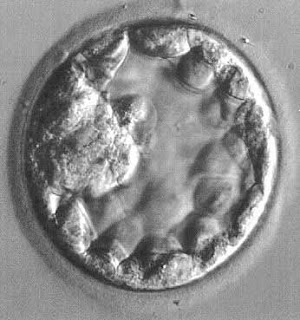
Thanks to relentless advances in embryology, we can now reliably grow embryos to the blastocyst stage (day 5), and select those with the highest chance of becoming babies. Even better, with modern freezing (vitrification), we can safely store your extra blastocysts for future use, with no loss in quality.
Imagine you have two beautiful blastocysts. You could transfer both, and maybe get twins. That might sound tempting, but twins come with much higher risks for both mother and babies: preterm birth, NICU stays, long-term health issues, and emotional stress that nobody prepares you for.
The alternative: transfer one embryo, freeze the other. If the first one implants, you have a singleton pregnancy with much lower complication risk. If it doesn’t, your frozen embryo gives you another full-strength chance—without going through the whole IVF process again. You are not “wasting” embryos by holding them back. In fact, you are giving yourself more chances, with less risk, and often at a lower overall cost.
Each embryo is like a solitaire diamond: it shines brightest when given its own chance.
Transferring two together does not make either one more likely to implant. Each embryo’s fate is independent. If both are transferred and neither implants, you have lost both. If only one is transferred, you get a second chance if the first doesn’t work.
The Cumulative Success Advantage
Let’s be honest: nobody wants to drag out the process longer than necessary. But slow and steady often wins the race in IVF. By transferring one embryo at a time, your overall pregnancy and live birth rates across several cycles actually go up. That is because each attempt is a full-powered try, and you avoid the devastating losses and complications of a risky twin or triplet pregnancy.
of our patients who freeze extra blastocysts get a second or even third “fresh chance” at pregnancy, without another egg retrieval.
For patients with a good number of high-quality embryos, we often recommend a “freeze-all” approach: freeze all blastocysts, optimize the uterine lining, and transfer one embryo at a time in carefully prepared cycles. This not only increases implantation rates, but also gives you the flexibility to space your pregnancies, and even plan for a sibling in the future with your own younger eggs.
What About Patients with Fewer Embryos?
It is easy to assume that if you have low ovarian reserve, or only one or two embryos, you should take all-or-nothing risks. In truth, the opposite is safer and smarter. For women with very few embryos, each one is worth its weight in gold. Transferring them one by one ensures you do not lose your only chances in a single failed cycle. Even if you have just one top-quality blastocyst, freezing it and transferring in a prepared cycle gives you the best odds—provided your clinic has world-class freezing and lab protocols.
This is why choosing a clinic with a robust laboratory and experienced embryologists makes all the difference. At Malpani Infertility Clinic, we obsess over every detail of embryo culture, grading, and freezing, so that each embryo you create gets its best chance to become your baby.
Facing Fears and Making Smarter Choices
The fear of “nothing working” is real. Many patients, tired from repeated failures, feel desperate to do more, try more, push harder. But more is not always better in IVF. Sometimes, slowing down and trusting the science, not the statistics, is the bravest and wisest thing you can do for yourself and your future family.
- Transferring one embryo at a time reduces your risk of complications and heartbreak.
- Modern IVF techniques ensure frozen embryos are just as good as fresh ones.
- Your cumulative chance of pregnancy is higher, not lower, with single embryo transfer.
- You keep options open for a second child, without repeating the entire IVF process.
Every couple’s situation is unique. Sometimes, exceptions to single embryo transfer make sense, especially in cases of older age or previous failures with good-quality embryos. But in most cases, single blastocyst transfer is the safest, most effective route to your dream of parenthood.
If you are unsure what is right for you, or feeling pressured by conflicting advice, you deserve honest answers. At Malpani Infertility Clinic, we are always here to help you weigh your options—without shortcuts, false hope, or unnecessary risks. If you want to discuss your personal situation and get expert, no-nonsense guidance, speak to Dr. Malpani directly here.
Frequently Asked Questions
Q: Does transferring more than one embryo really improve my pregnancy chances?
A: No. Adding more embryos does not increase the chance that any one will implant, but it does raise your risk of twins, complications, and even lower live birth rates.
Q: Is single embryo transfer safe for women with a history of IVF failure?
A: Yes. Single embryo transfer can still be the best option, especially if you have high-quality blastocysts, but your doctor may individualize the plan based on your history.
Q: Are frozen blastocyst transfers as successful as fresh transfers?
A: Yes. With current vitrification technology, frozen blastocyst transfers often have equal or better success rates than fresh ones, especially when the uterus is prepared optimally.
Q: If I only have one or two embryos, should I transfer them together?
A: No. Each embryo should be given its own chance. Transferring them together does not improve your odds and risks losing both in one attempt.
Q: How do I know if my clinic is experienced in single embryo transfer?
A: Ask about their blastocyst culture, embryo grading, and vitrification protocols. A high-quality lab with proven results is essential for success with single transfers.