Embryos - An atlas for IVF patients
Have you ever stared at a photo of your embryo after IVF and wondered: What does this really mean for my chances? If you have felt anxious, lost, or simply desperate for clarity about the "grades" and pictures you see, you are not alone. Many couples, after putting their hopes and resources into IVF, are left puzzled by embryology reports and lab terms that seem more like a foreign language than an answer to their prayers. At Malpani Infertility Clinic, we believe you deserve to truly understand what’s happening at every stage, so you can make informed choices and never feel like you’re in the dark about your own journey.
The Real Story Behind Embryo Photos
Most IVF clinics in India—and around the world—will create several embryos in the lab for each patient. But here’s the uncomfortable truth: far too many clinics never show you your embryos, or explain what you’re seeing. You deserve better than a vague “good” or “not good enough” label. Why? Because understanding your embryo’s development and quality is crucial to not just your peace of mind, but to planning your next steps if things don’t work out the first time.
Let’s make this simple. Below is a visual guide that breaks down embryo development, so you can see, step by step, what your embryos should look like, how they’re graded, and what it all means for your treatment. This isn’t just a science lesson—it’s the knowledge you need to take back control.
The Journey: From Egg to Embryo
Every IVF story starts with eggs and sperm meeting in the lab. But not every egg is the same, and not every embryo is equal. Here’s what actually happens, day by day:
DAY 0
Oocyte Cumulus Complexes (OCCs)
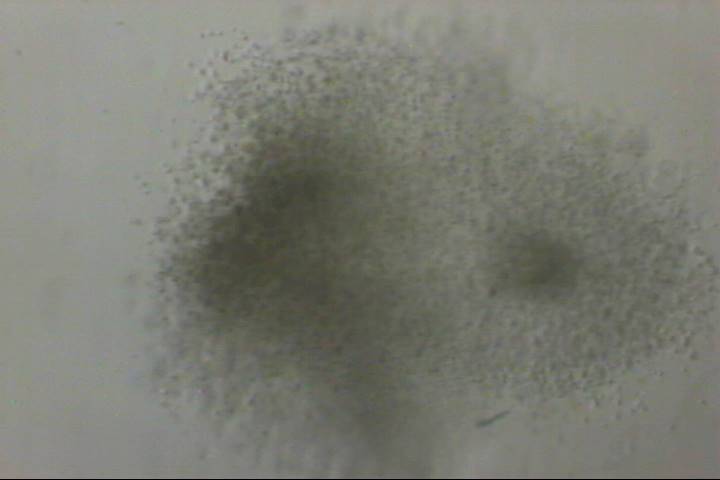
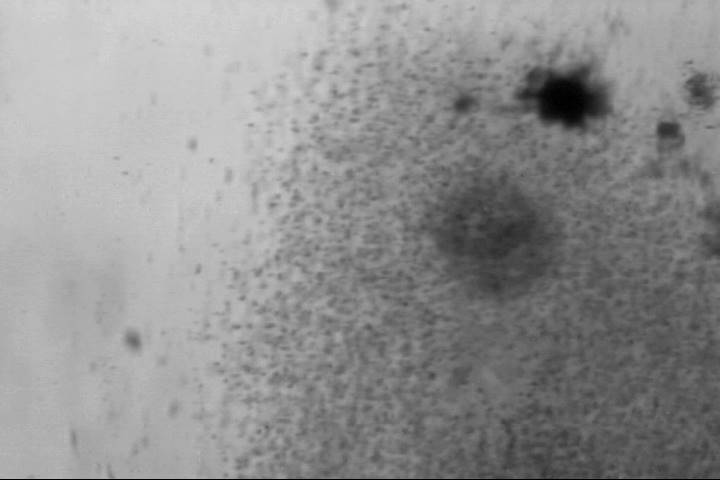
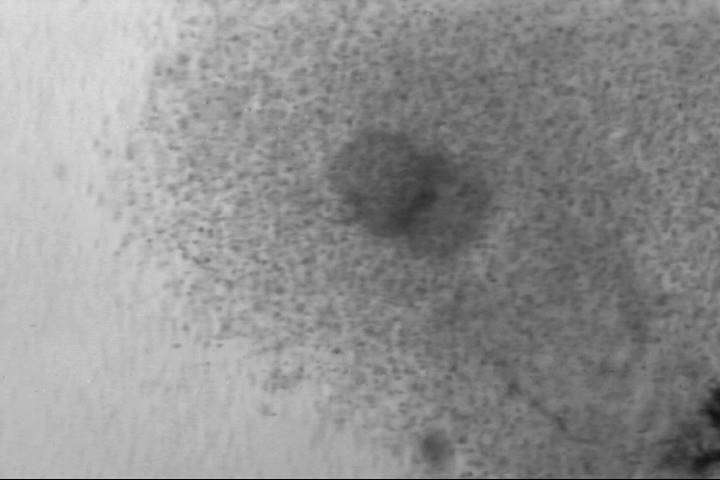
On the day of egg retrieval, eggs are surrounded by a cloud of cells—called cumulus complexes—that protect and nourish them. Only mature eggs can be fertilized, so seeing these under the microscope is the first sign of potential.
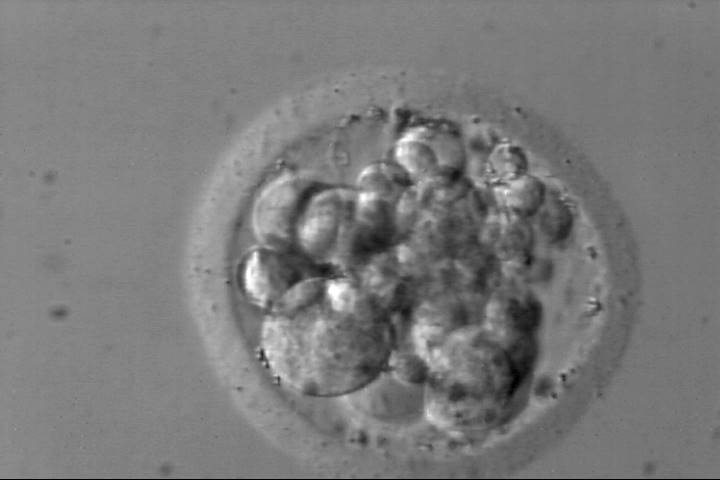
Good Quality (Mature Eggs)
Lower Magnification
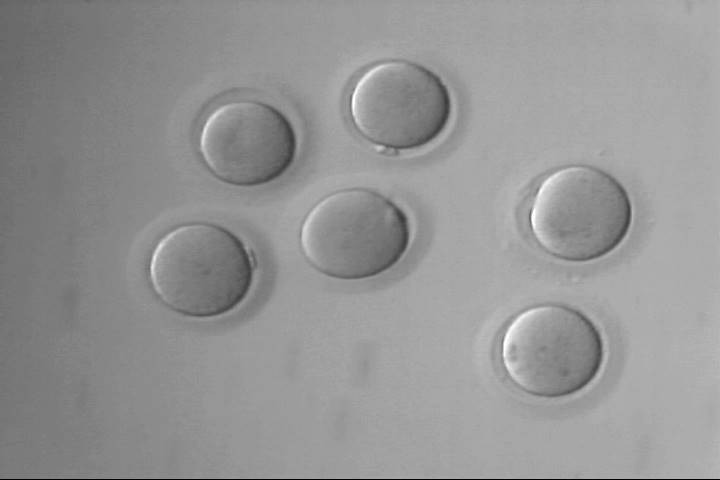
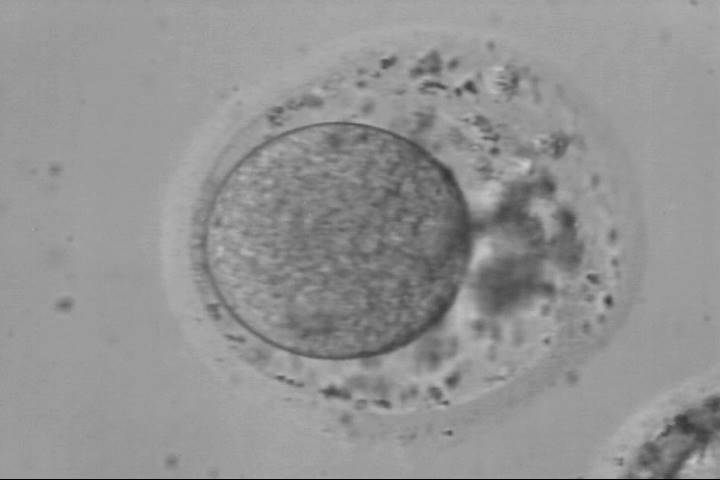
Higher Magnification

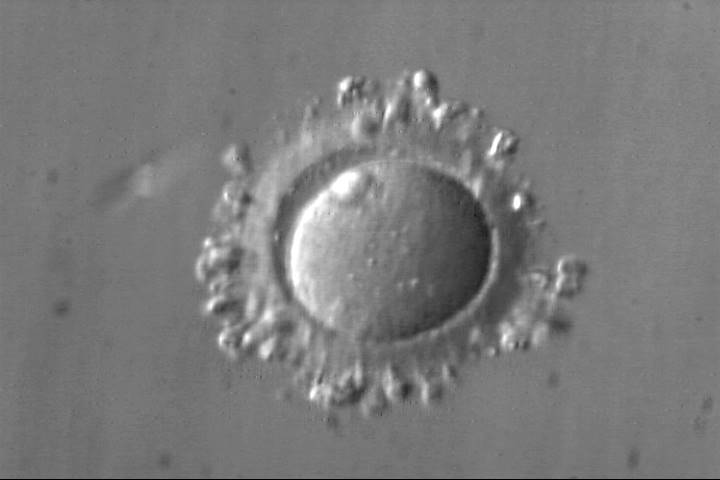
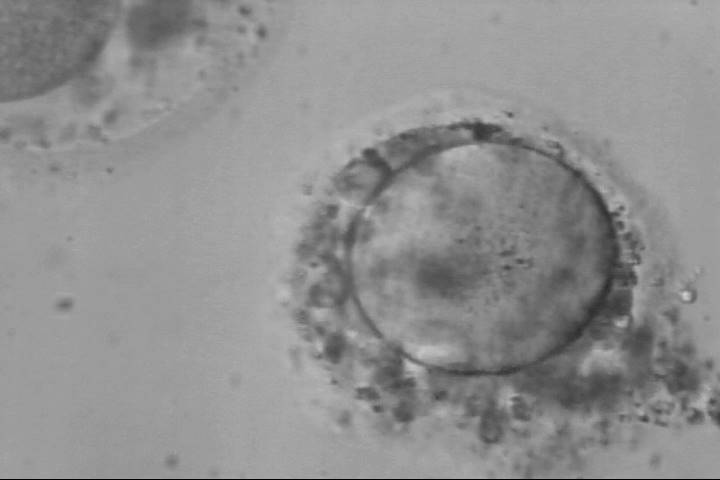
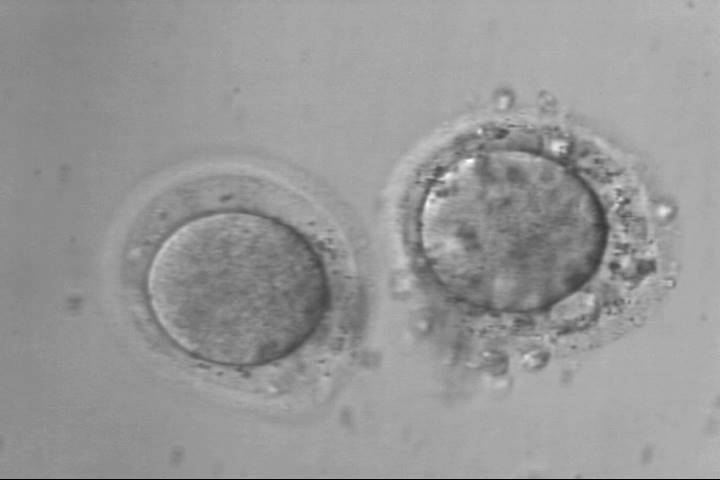
Healthy, mature eggs look round and have a clear, even surface. Poor quality eggs may have granules or other abnormalities, which can impact your chances.
Poor Quality Eggs (Perivitelline Granulation in Eggs)
Day by Day: What Your Embryos Should Look Like
DAY 1
FERTILISED EGG (2 Pronuclei stage)
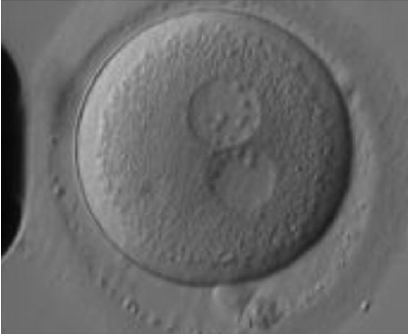
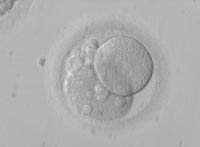
A fertilized egg (zygote) has two small bubbles inside, called pronuclei. This is the first sign that fertilization has happened and things are on track.
DAY 2
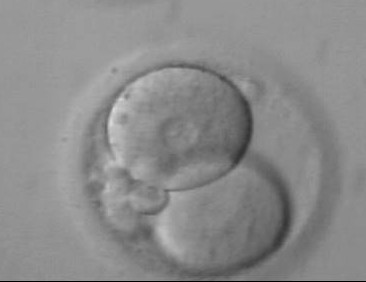
2 Cell Grade A Embryo
2-Cell Grade B Embryo
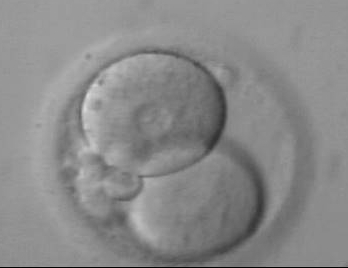
By Day 2, your embryo should ideally have 2 to 4 cells. The best embryos (Grade A) have even, clear cells with little to no fragments (these look like tiny bubbles between cells).
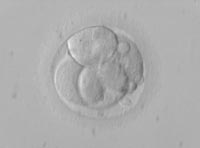
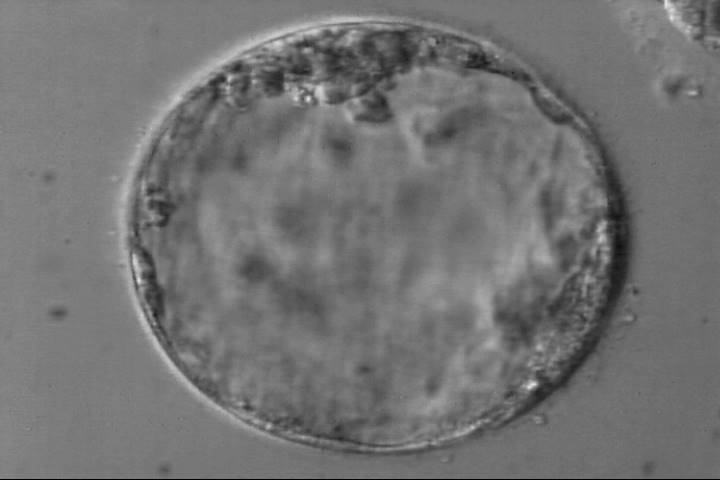
Clear, equal-sized four-cell embryos with minimal fragmentation typically get the highest grade—these are the ones we hope to see for every patient.
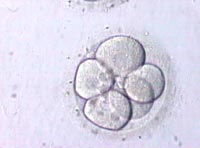
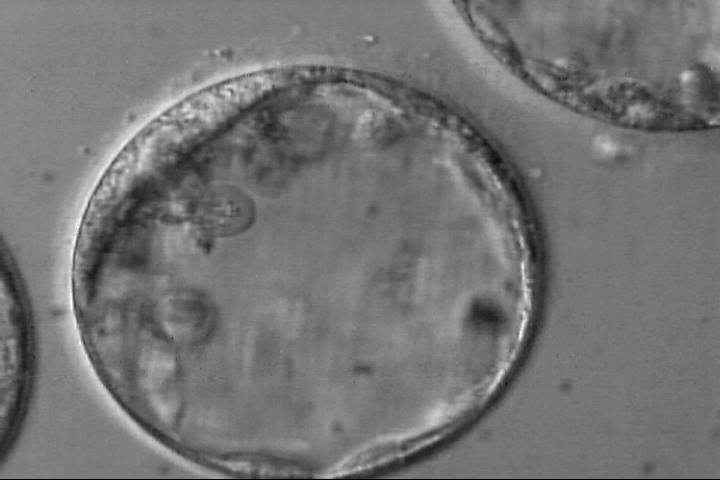
It’s normal for embryos to have an odd number of cells, like five, because not every cell divides at exactly the same moment. What matters is the overall symmetry and low fragmentation.
2 Cell Embryo Grade B - Abnormal Embryo (Multinucleated Blastomere)
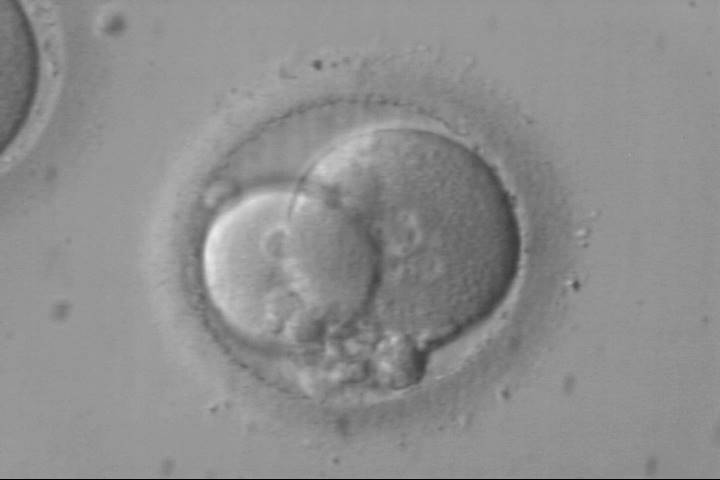
Embryos with uneven cells, multiple nuclei, or heavy fragmentation may be less likely to implant, but they can still sometimes result in pregnancy. The goal is always to select the best ones, but nothing in IVF is absolute.

4-Cell Grade A Embryo
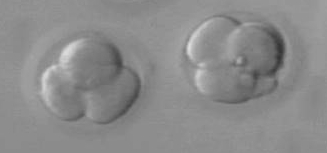
4-Cell Grade B Embryo
From Cleavage to Blastocyst: Watching for the Magic
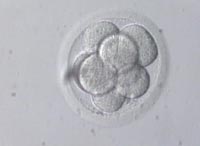
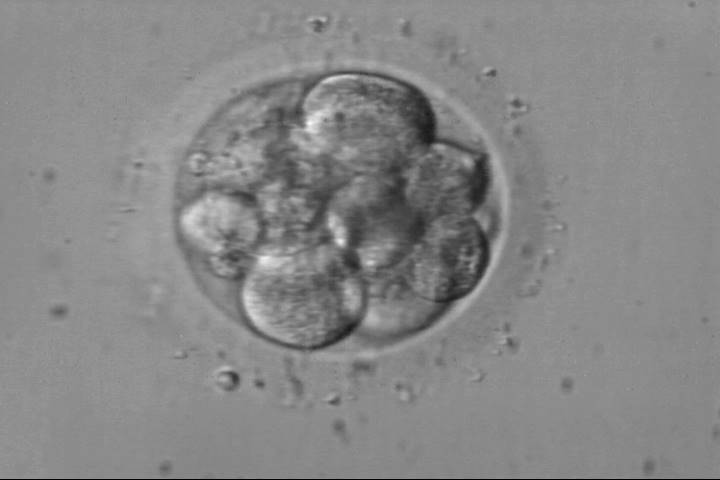
By Day 3, a top-quality embryo will usually have about 8 cells, all looking similar and clear, with almost no fragments. This is the classic “Grade A” everyone hopes for.

DAY 3
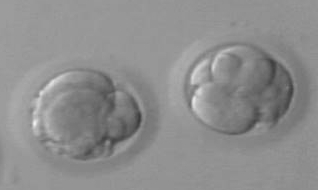
6-Cell Grade A Embryo
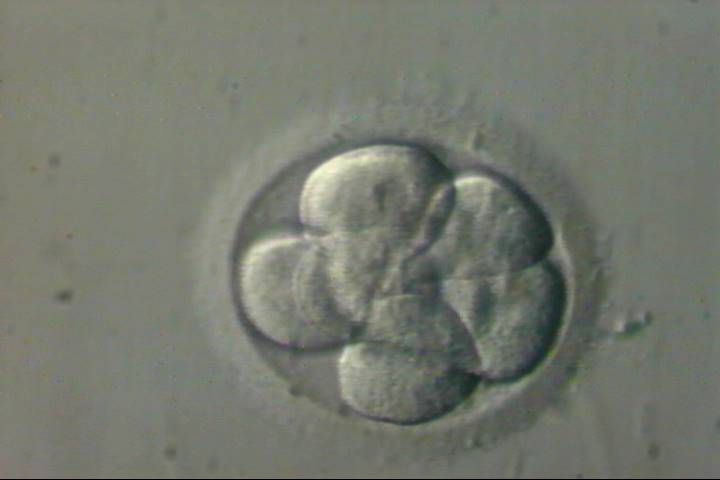
6-Cell Grade B Embryo
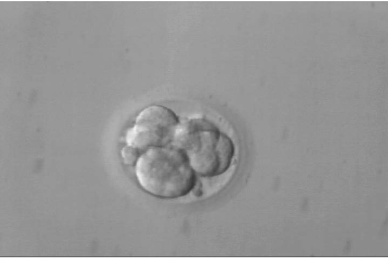
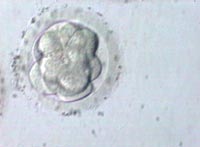
Some embryos may progress to 10 or even 12 cells. Around this point, the edges between cells start to blur, and the embryo begins “compacting”—a critical step before forming a blastocyst.
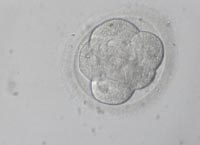
This is called a morula. The cells are tightly packed and indistinct, showing your embryo is preparing for the next important transformation.
8-Cell Grade A Embryo (Top Quality (Compacting Cells))
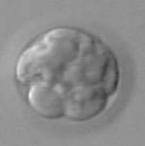

12-Cell Grade A Embryo

The Blastocyst: Hope and Reality
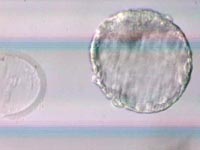
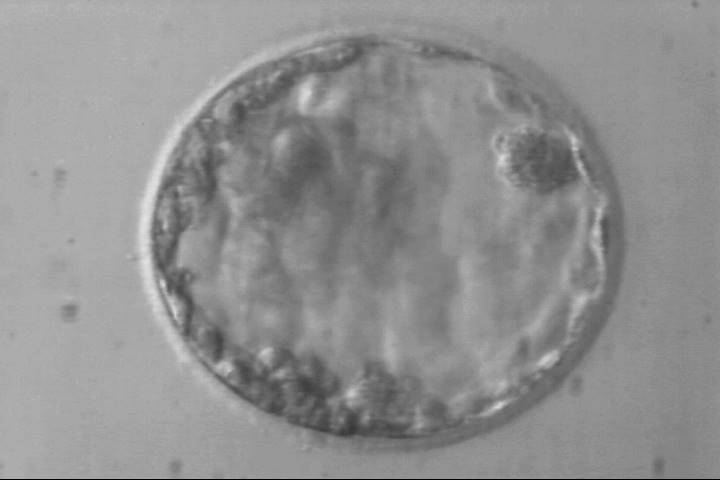
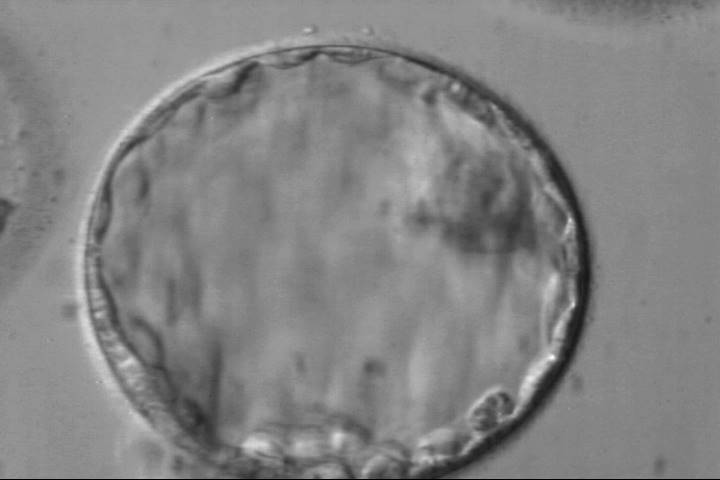
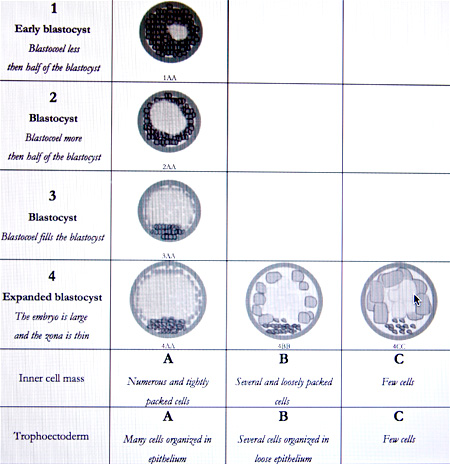
By Day 5 or 6, the embryo becomes a blastocyst—a fluid-filled ball where the first signs of a baby’s body and placenta are starting to form. The best blastocysts are expanded (large and full), and sometimes even “hatched” (they have broken out of their shell—the zona). This stage offers the highest chance of implantation, but even a perfect blastocyst only implants about 40 percent of the time. That’s the honest truth, even when everything looks textbook perfect.
Early Blastocysts - Good Quality (Blastocyst Gr. 1AA)
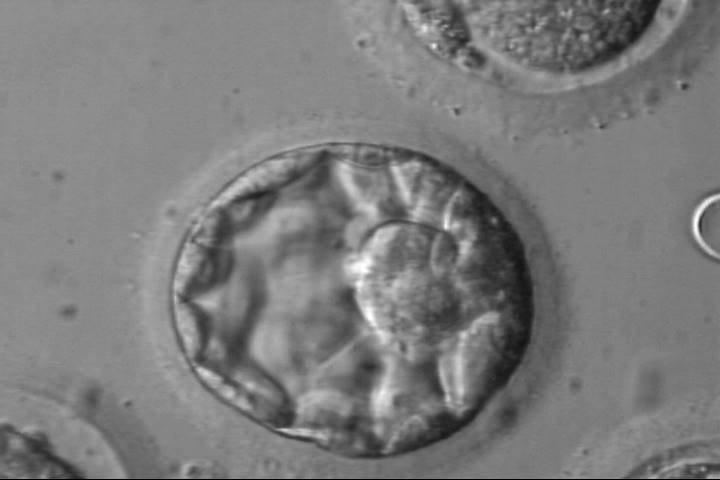
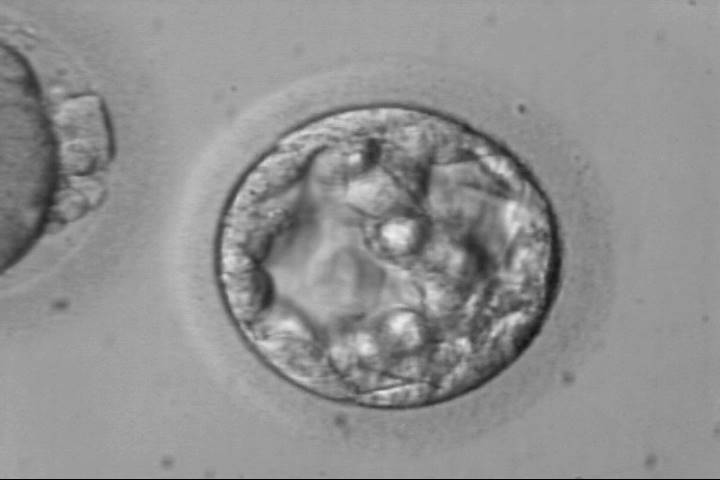
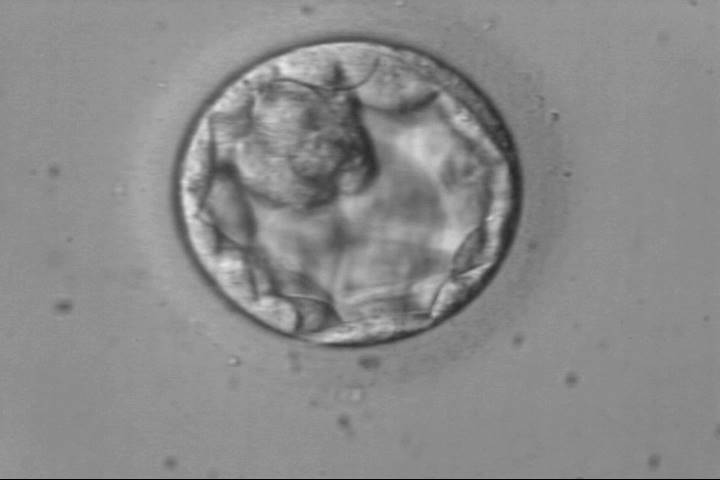
Blastocyst Grading Examples
POOR QUALITY
Blastocyst Gr. 1BA
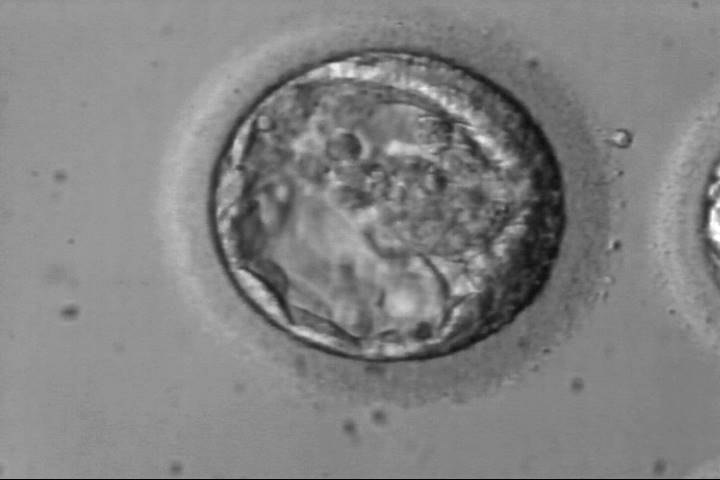
Blastocyst Gr. 1CC
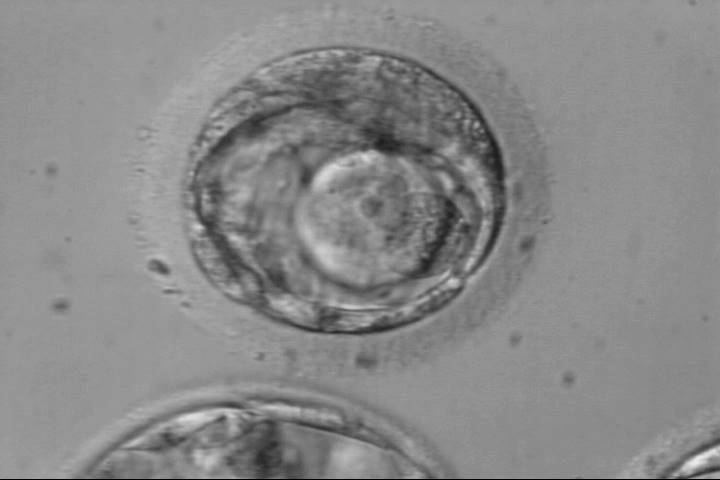
Blastocyst Gr. 2AA
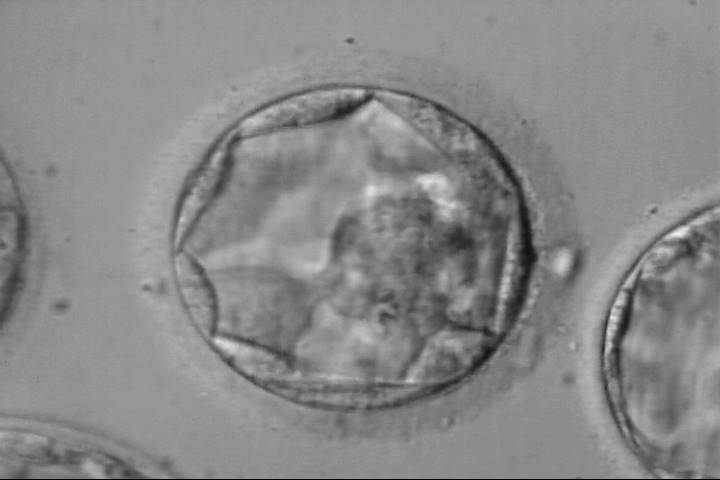
Blastocyst Gr. 2AB
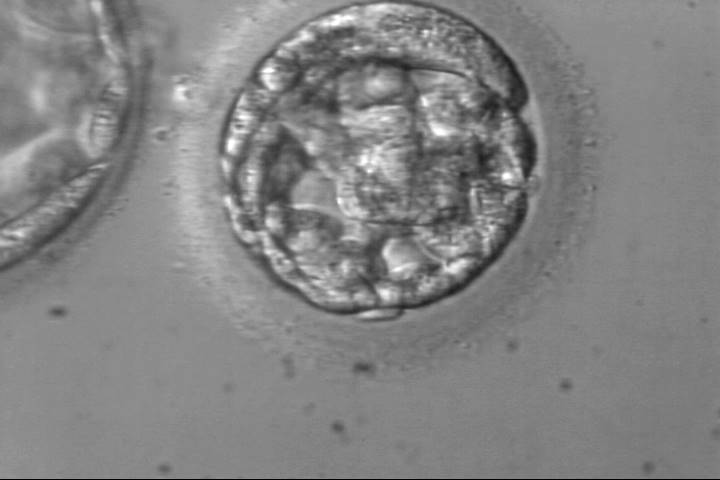
Blastocyst Gr. 2AC
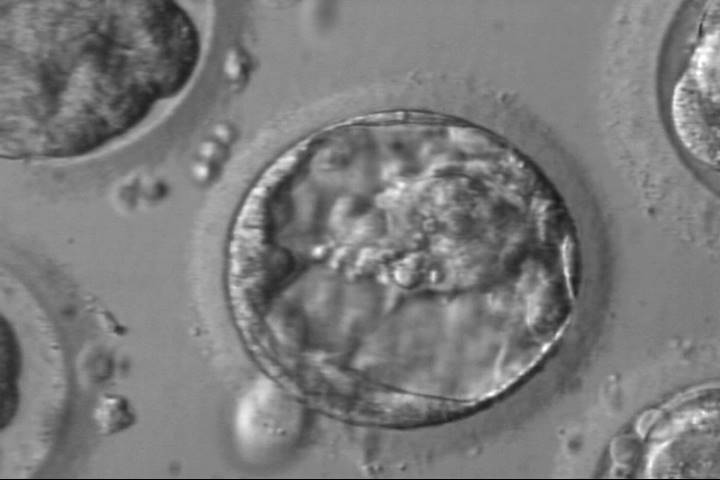
Blastocyst Gr. 2BA
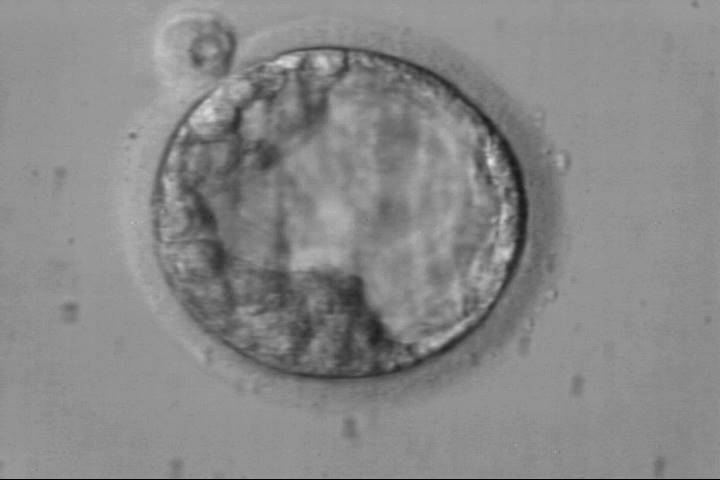
Blastocyst Gr. 2BB
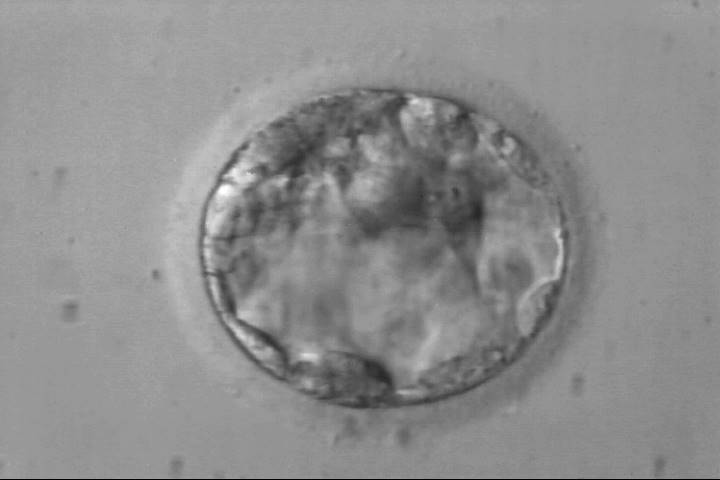
Blastocyst Gr. 2BC
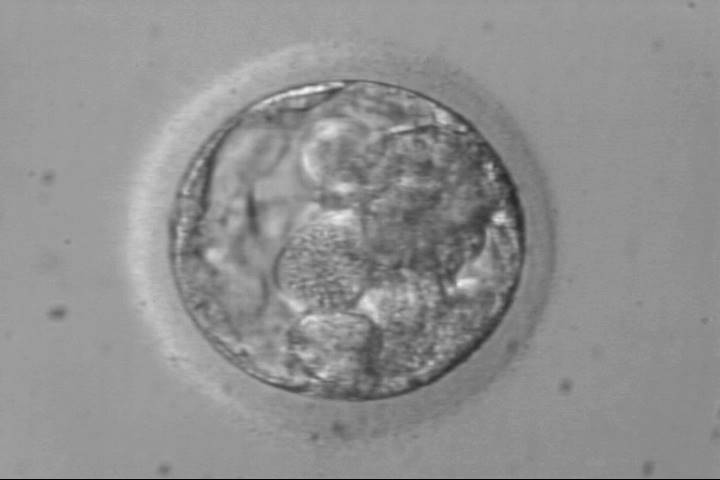
Blastocyst Gr. 2CA
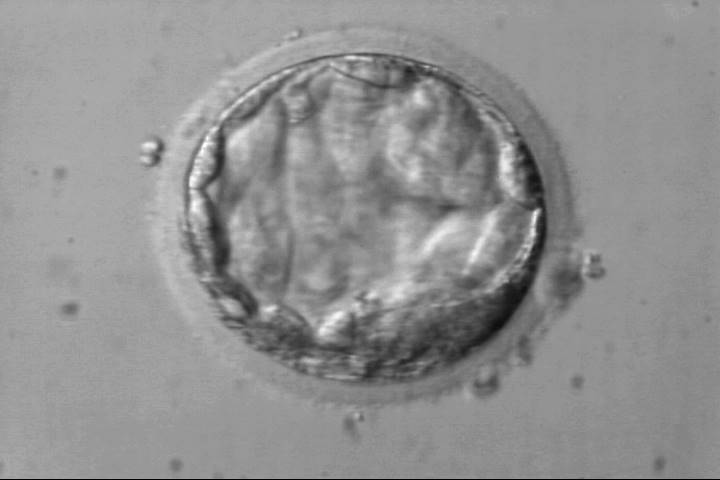
Blastocyst Gr. 2CB
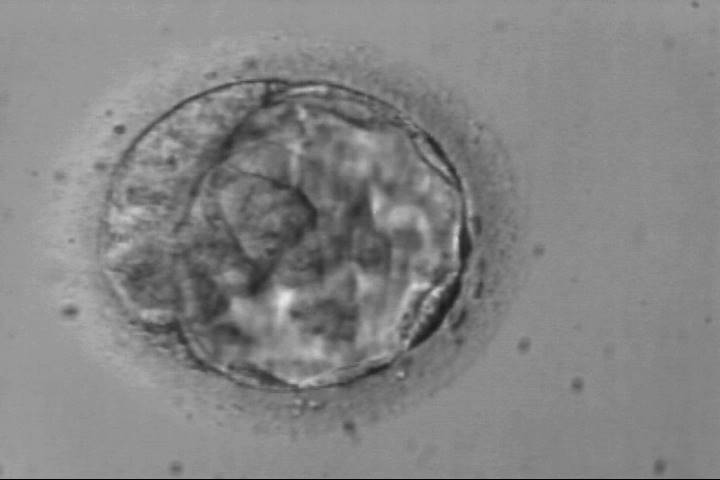
Blastocyst Gr. 2CC
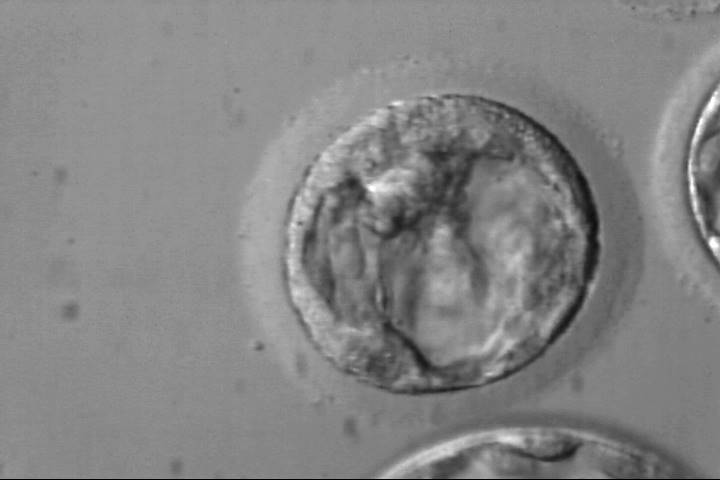
Expanded Blastocysts
Blastocyst Gr. 3AA
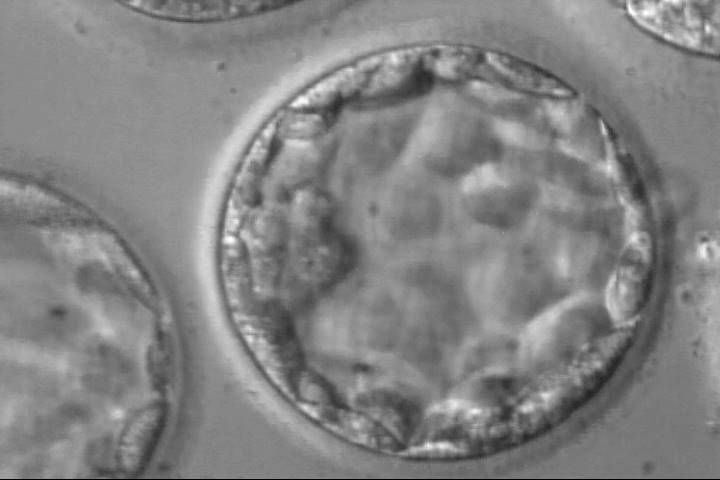
Blastocyst Gr. 3AB

Blastocyst 3BA
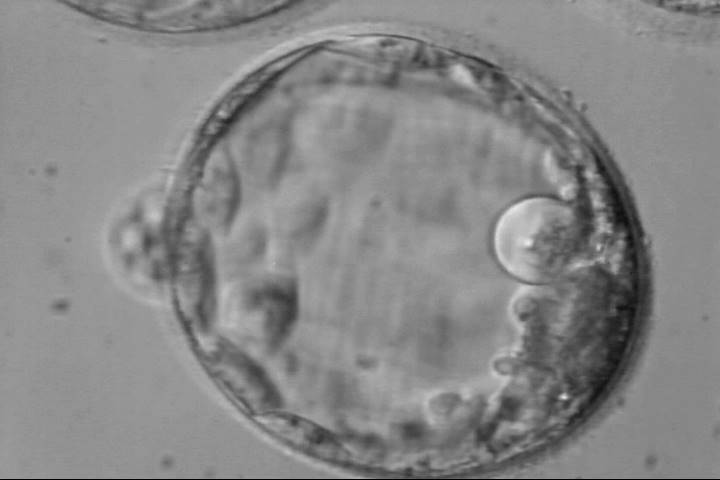
Blastocyst Gr. 3BB

Blastocyst Gr. 3BC
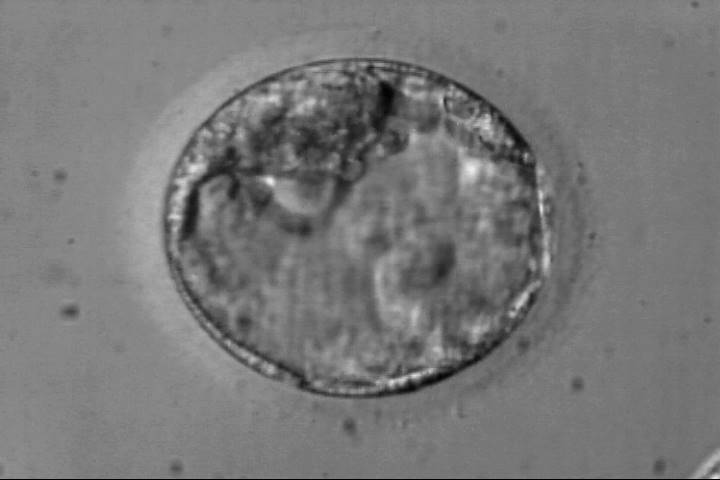
Blastocyst Gr. 3CC
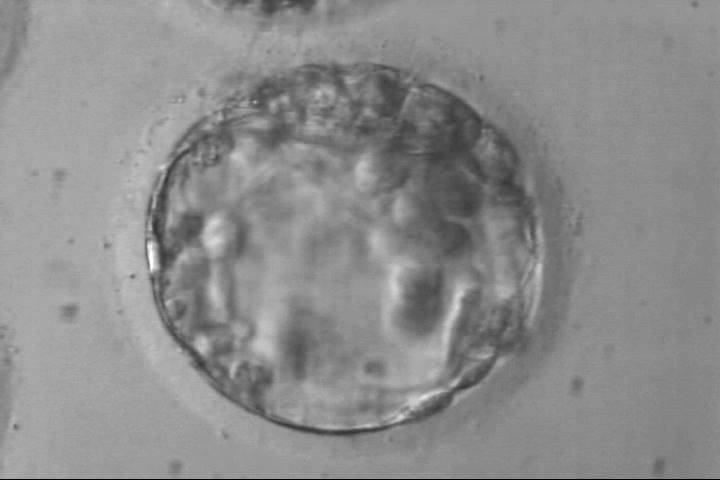
Blastocyst Gr. 4AA
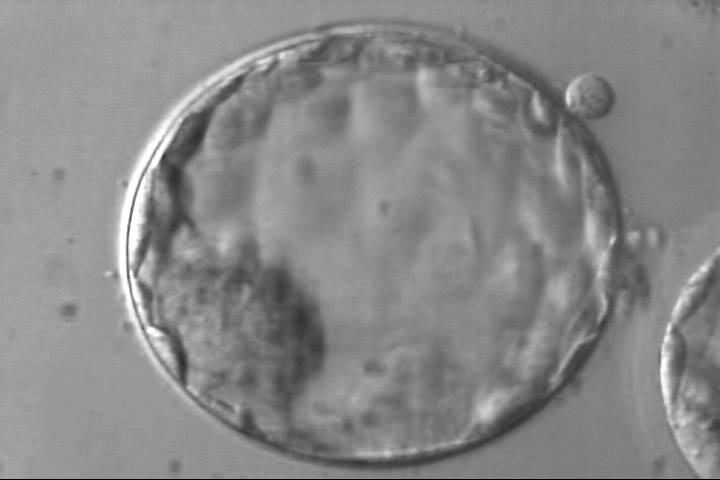
Blastocyst Gr. 4AB
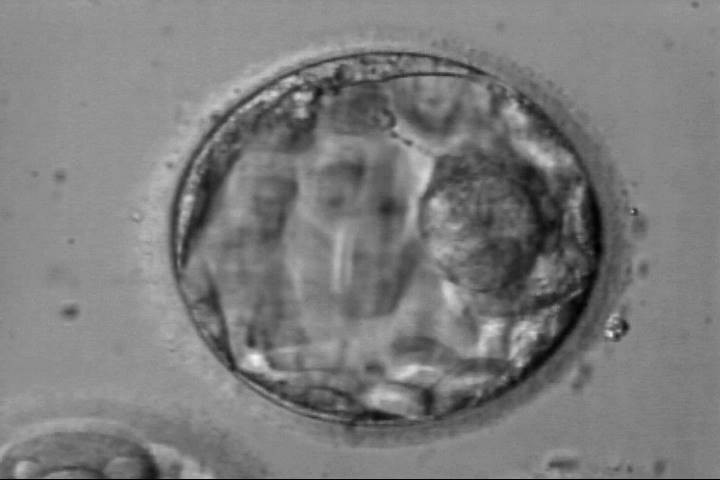
Blastocyst Gr. 4AC