
Pregnant at last - how to make sure you have a healthy pregnancy after your infertility treatment is successful!
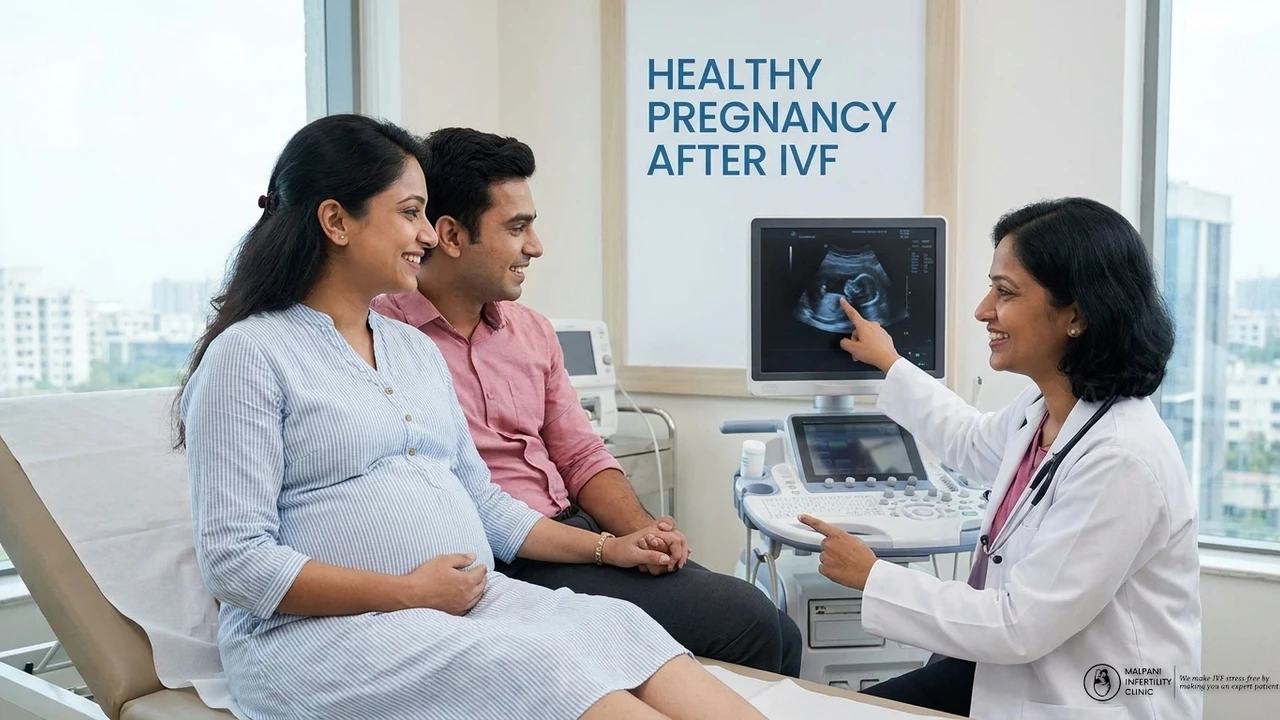
After years of hoping, trying, and facing endless questions and disappointments, you finally see that positive pregnancy test. The rush of disbelief, joy, and anxiety is overwhelming. If you’re reading this, you may be in exactly this spot: You’ve battled infertility, you’ve put your heart and soul (and maybe your savings) into treatments, and now you’re wondering: What happens next? How can you make sure this precious pregnancy leads to the healthy baby you have dreamed of for so long?
Finding Out You Are Pregnant
The journey to a positive result is never straightforward for those who have struggled with infertility. Every missed period brings hope and dread. So, how do you confirm pregnancy after fertility treatment? Most clinics, including ours, recommend waiting until you’ve missed your period before testing, but protocols can vary. For IVF cycles, the first test typically happens 14 days after egg collection. For ovulation induction or IUI, your doctor might ask you to wait 16 to 18 days post-ovulation.
That first positive test can feel unreal, especially after years of heartbreak. Suddenly, hope is real, but so are new worries.
When your test is positive, the emotional floodgates open. Relief. Fear. Disbelief. You’re pregnant, but you know that this is just the next phase of a long journey. What you really want is not just a pregnancy, you want to hold your baby. That’s why early and careful monitoring is crucial. At Malpani Infertility Clinic, we guide every patient through these next steps, offering clarity and support at each milestone.
Understanding the Beta HCG Test
The most reliable way to confirm pregnancy is through a blood test measuring beta HCG (human chorionic gonadotropin). HCG is a hormone produced by the embryo, acting as a signal to your body that pregnancy has begun. Levels above 10 mIU/ml can be detected even before a missed period.
Modern urine pregnancy tests are convenient and sensitive, but blood tests are more informative. They not only confirm pregnancy but also track how well it’s progressing. During the earliest weeks, HCG levels should double every 2 to 3 days. A rising HCG gives reassurance that things are on track.
Sometimes, if you have received HCG injections during treatment, they can linger in your system and cause false positives. Your doctor may repeat the test several days apart to see if the numbers are rising as they should. If the rise is slow or the numbers remain low, it can signal a problem like a biochemical pregnancy or, rarely, an ectopic (tubal) pregnancy.
Biochemical Pregnancies and Early Monitoring
If you’ve heard the term “biochemical pregnancy”, you know how confusing this phase can be. A biochemical pregnancy is when the HCG test is positive, but the levels remain low and no pregnancy is seen on ultrasound. This is common after IVF and doesn’t mean failure, it means the embryo implanted for a short while, and this can actually be a sign of better chances in future cycles.
It’s important to note: A positive HCG tells us that there’s pregnancy tissue somewhere, but not where. This is why, especially after fertility treatment, we use both blood tests and ultrasounds to make sure the pregnancy is developing in the right place and in the right way.
The Role of Ultrasound in Early Pregnancy
An early vaginal ultrasound is the next crucial tool in confirming a healthy pregnancy. With advanced technology, we can detect a pregnancy sac as early as 2 to 4 days after a missed period. The ultrasound shows a small, black “bubble” (the gestational sac) inside the bright white uterine lining. This sac should grow about 1 mm per day.
By 6 weeks, the embryo becomes visible as a tiny echo within the sac. By 8 weeks, a beating fetal heart is usually seen. Seeing that heartbeat is one of the most reassuring moments for any patient, especially those who have fought so hard for this chance.
Once a healthy heartbeat is seen at 8 weeks, the chance of miscarriage drops below 5 percent.
Ultrasounds also help us look out for multiples (which are more common after fertility treatments) and check the location of the pregnancy. If the sac isn’t seen in the uterus, we investigate for an ectopic pregnancy, a rare but serious risk after IVF or IUI.
We encourage all patients to register at www.hcgexpert.in to track and monitor their pregnancy progress.
Precautions After Getting Pregnant
After all the struggle, it’s natural to want to do everything in your power to protect your pregnancy. Many patients ask about bed rest, special diets, or extra medications. The truth is, despite all our advances, there are few proven interventions that actually change the outcome in early pregnancy. Doctors might prescribe progesterone supplements, multivitamins, or low-dose aspirin. Some of these are based more on tradition than hard evidence, but they are often used to support the pregnancy in its earliest days.
- Follow your doctor’s instructions for medications and supplements
- Report any bleeding, no matter how minor, immediately
- Focus on balanced nutrition, gentle activity, and stress management
- Trust your body, a healthy pregnancy will usually progress regardless of rest or rituals
It’s common to feel anxious and hypervigilant. Every twinge, every symptom can send you into a panic. Remember, at Malpani Infertility Clinic, we are always available to answer your questions and provide honest, evidence-based advice, no sugar-coating, just what you need to know.
Coping With Miscarriage After Infertility
One of the harshest realities of reproductive medicine is that not every pregnancy will continue. Around 10 to 20 percent of all pregnancies end in miscarriage, and for women who have struggled with infertility, the risk can be even higher due to age or underlying health factors.
After years of trying, losing a pregnancy can feel unbearably cruel, many patients say it is harder than the years of infertility itself.
Despite medical advances, there is no guaranteed way to prevent early miscarriages. Most miscarriages are due to chromosomal abnormalities in the embryo, something no one can predict or change. If you do miscarry, it's natural to blame yourself, but it is almost never due to anything you did or did not do.
If a miscarriage occurs, the safest way to manage it is often with medications such as mifepristone and misoprostol, rather than invasive procedures. Most doctors will not recommend extensive testing after a single miscarriage, as your chances of a healthy pregnancy next time are still excellent, usually better than 85 percent.
Emotionally, the aftermath can be devastating. Starting over can feel impossible. You may fear it will happen again. This is normal, and something we talk about openly with our patients. There is no right way to grieve, and no timeline for moving forward.
Making the Most of Your Precious Pregnancy
After infertility, every day of pregnancy feels fraught. You may find yourself obsessing over every ache, symptom, or lack thereof. You may be subjected to frequent scans and appointments. Well-meaning friends and family may shower you with advice, much of it contradictory. If you’re over 35, your doctor may recommend extra genetic testing, such as chorion biopsy or amniocentesis, to check for conditions like Down’s syndrome. Multiple pregnancies may bring yet more appointments, hospitalizations, or even bed rest.
Your pregnancy might be treated as “high risk” simply because of how hard you worked to get here. Many women in this situation end up having a cesarean section, not always because it is medically necessary, but because everyone (including you and your doctor) wants to avoid any risk, no matter how small.
The truth is: Pregnancy after infertility can be joyful, but it can also be lonely and anxiety-provoking. You may feel you “should” be happy all the time, but real life is messier. The team at Malpani Infertility Clinic understands this, and we encourage all our patients to reach out whenever they need reassurance or honest, practical advice.
Is Parenting Different After Infertility?
When your long-awaited baby finally arrives, you expect pure happiness. But the reality of parenting, night feeds, exhaustion, and the pressures of new routines, can be a shock. If you’re an older parent, or if you have twins, the adjustment can be even more intense.
Many parents who have struggled with infertility feel compelled to be “perfect.” You may feel guilty for not enjoying every moment or even resentful during those sleepless nights. This is normal. Your child will always know how deeply they were wanted, but it’s important to set boundaries and avoid the trap of being overprotective or spoiling them unintentionally.
Frequently Asked Questions
Q: How soon after IVF or fertility treatment can I take a pregnancy test?
A: Blood tests for HCG can usually detect pregnancy about 14 days after egg retrieval in IVF cycles, or 16 to 18 days after ovulation in other treatments. Your doctor will guide you on the exact timing.
Q: What does a rising HCG level mean?
A: A rising HCG level, especially if it doubles every 2 to 3 days, is a reassuring sign that the pregnancy is progressing normally.
Q: What is a biochemical pregnancy?
A: This is when a pregnancy is detected by HCG blood tests but does not progress to a visible pregnancy on ultrasound. It usually means the embryo implanted briefly but did not continue to grow.
Q: What precautions should I take after getting pregnant?
A: Follow your doctor’s advice on medications and supplements, eat a balanced diet, and avoid risky activities. Bed rest is rarely required unless recommended for specific reasons.
Q: How common is miscarriage after infertility treatment?
A: About 10 to 20 percent of all pregnancies end in miscarriage, and the risk can be higher for women with infertility due to age or health issues.
Q: Can I do anything to prevent miscarriage?
A: Most miscarriages are not preventable and are due to chromosomal abnormalities. Taking medications as prescribed and reporting any unusual symptoms early can help with prompt care.
Q: Is parenting after infertility different?
A: Many parents feel extra pressure to be perfect or overprotective of their child. These feelings are understandable but remember that all parents face challenges and it’s okay to ask for help.