

Endometrial polyps . Submucous myomas. Endometrial Receptivity Assay ( ERA)
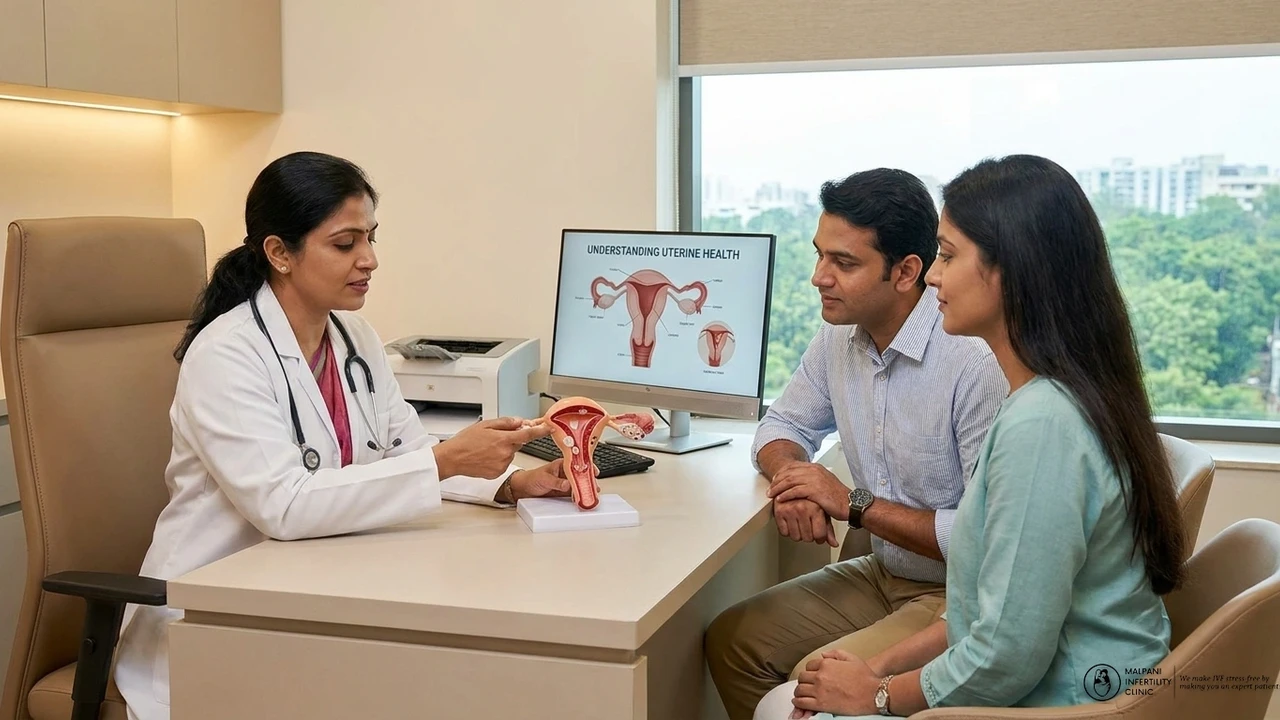
Have you ever found yourself staring at your ultrasound report, seeing words like "polyp" or "fibroid", and feeling your heart sink? Maybe you have been told your uterus looks fine, but the embryos still do not stick, or you hear about tests like ERA and wonder if you are missing something important. If this feels uncomfortably close to your own story, you are not alone. At Malpani Infertility Clinic, we meet so many couples who come to us after months or even years of uncertainty, desperate for honest answers and a real plan forward.
Understanding Endometrial Polyps: More Common Than You Think
Endometrial polyps are soft, fingerlike growths in the lining of the uterus. They happen because the cells that make up your uterine lining (the endometrium) start multiplying more than they should. This growth is fueled by estrogen, so polyps can change in size depending on where you are in your menstrual cycle. If you have ever had an ultrasound in the middle of your cycle (when estrogen peaks), your doctor might catch a glimpse of a polyp. But if the scan is done at a different time, it is easy to miss them altogether.
While not the most common cause of infertility, endometrial polyps are an important one to rule out because they are treatable. If you have struggled with implantation failure, or your periods are irregular or heavy, it is worth checking for polyps. A saline ultrasound, which gently fills the uterus with a little fluid to outline the polyp, can make them much easier to spot.
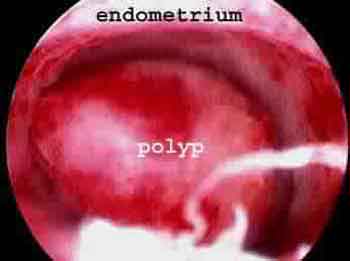 Fig 1. Uterine polyp as seen during hysteroscopy
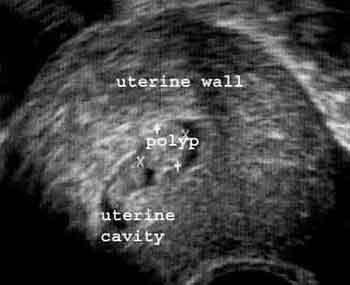 Fig 2. Uterine polyp seen during ultrasound scan after infusion of saline which outlines the polyp in the cavity
The good news: Polyps can be removed easily and safely during a minor surgical procedure called hysteroscopy. Most women recover quickly, and fertility often improves after the removal. If you are worried about whether you have a polyp, ask your doctor for a scan at the right time of your cycle or seek a second opinion if your symptoms are being brushed aside.
Fibroids and Fertility: When Should You Worry?
If you have been told you have fibroids (also called myomas), it can sound frightening. But here is the truth: Most fibroids are not a threat to your fertility. In fact, about one in four women over 35 has fibroids, and for most, they never cause trouble.
Fibroids are benign (non-cancerous) tumors that grow from the muscle wall of the uterus. They can be:
- Intramural: inside the wall of the uterus
- Subserous: bulging outward from the uterus
- Submucous: growing into the uterine cavity
It is the submucous fibroids, the ones inside the cavity, that can interfere with an embryo trying to implant. Think of them as an unwelcome guest taking up space in the room meant for your baby. These are the fibroids most likely to cause infertility or repeated IVF failure.
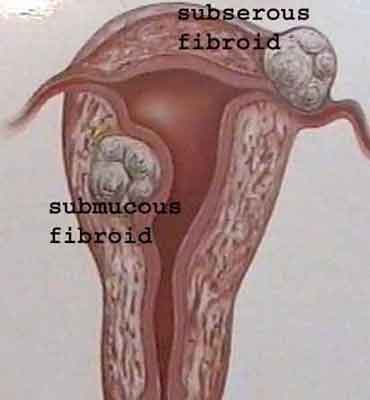 Fig 2. Schematic showing a submucous fibroid; and a subserous fibroid compressing the right fallopian tube
For most other types of fibroids, especially when they are small or located away from the cavity, surgery is not needed. Removing them unnecessarily can sometimes do more harm than good, especially if it leads to scar tissue (adhesions) that block the fallopian tubes. Only very large fibroids or those causing symptoms like pain or heavy bleeding may need removal.
If you do need surgery, it is called a myomectomy. Experienced surgeons can often remove fibroids with minimal blood loss, but there are rare risks, including the possibility of needing a hysterectomy (removal of the uterus) if bleeding cannot be controlled. That is why it is crucial to choose your surgeon and clinic carefully, your fertility depends on it.
Most fibroids do not affect fertility, but submucous fibroids inside your uterine cavity can prevent embryos from implanting.
For women with a previous myomectomy, especially if the surgery involved deep cuts into the uterus, doctors may recommend a cesarean section during delivery to prevent rare but serious complications like uterine rupture. These decisions are highly individual, and your doctor should explain the reasoning in simple terms you can understand.
Getting the Uterus Right: Testing and Modern Tools
For a long time, the uterus was often overlooked in the fertility workup. Today, we have several methods to check for problems in the uterine cavity that could be blocking your path to pregnancy:
- Transvaginal ultrasound: Useful for spotting fibroids and polyps, especially submucous ones.
- Saline infusion sonography: Helps to highlight growths inside the uterus.
- Hysterosalpingography (HSG): An X-ray test that can reveal filling defects like polyps, adhesions, or septa.
- Hysteroscopy: A small camera is used to look inside your uterus and, if needed, treat problems right then and there.
Each test has unique strengths, and sometimes a combination gives the best picture. At Malpani Infertility Clinic, we focus on choosing the right test at the right time, making sure nothing is missed but also avoiding unnecessary procedures. If a test finds a correctable issue, many couples see their fertility improve dramatically after a straightforward treatment.
Endometrial Receptivity: Are New Tests Like ERA Worth It?
When everything else looks normal, but embryos still do not implant, even after transferring good-quality embryos, it is natural to start searching for hidden problems. In recent years, the Endometrial Receptivity Assay (ERA) has been promoted as a high-tech solution to help find the "perfect" window for embryo transfer. The test involves taking a small sample of the uterine lining and running genetic tests to see if the endometrium is "receptive" at that exact moment.
Sounds promising, right? But here is the uncomfortable truth: The science is still catching up with the hype. Studies show that the results of ERA can vary even within the same woman, from month to month, despite identical hormone treatments. The test is also expensive, and there is no solid evidence yet that it helps most patients get pregnant faster or more reliably.
At Malpani Infertility Clinic, we do not believe in selling hope in a test tube. Our advice: Save your money and emotional energy unless you are in a very rare group where all other causes have been ruled out, and you have had multiple failed, good-quality transfers. For a deeper dive into why the ERA test often fails to deliver on its promise, read this detailed breakdown.
New and expensive does not always mean better. Ask for results, not just technology.
What You Can Do Next: Honest Guidance, Real Solutions
If you are overwhelmed by reports filled with medical words, or you feel stuck after multiple fertility treatments, remember: The right diagnosis is the first step to the right solution. Polyps and submucous fibroids are among the few truly fixable causes of fertility struggles. But so often, couples are sent around in circles, chasing every new test and gadget, without anyone stopping to ask: Is there something simple and treatable right here?
At Malpani Infertility Clinic, we are known for our no-nonsense approach. We believe in clear answers, evidence-based treatments, and empowering you to ask the right questions. Whether you need a focused scan to check for polyps, an honest review of your surgery options, or just someone to explain your reports in plain language, we are here to help. Sometimes, just a single conversation with an expert can give you back clarity and hope.
Frequently Asked Questions
Q: Can polyps or fibroids really stop me from getting pregnant?
A: Yes, but only certain kinds. Polyps and submucous fibroids growing inside the uterine cavity can block embryo implantation. Most other fibroids do not affect fertility.
Q: How are polyps and submucous fibroids diagnosed?
A: Transvaginal ultrasound, especially with saline infusion, and hysteroscopy are the best ways to spot these growths accurately.
Q: Is surgery always needed for fibroids or polyps?
A: No. Only those inside the uterine cavity or causing symptoms usually need removal. Many fibroids can be left alone.
Q: Should I do the ERA test if my embryos keep failing to implant?
A: For most people, ERA adds little value and is not proven to improve pregnancy rates. Focus first on checking for polyps, fibroids, and other treatable causes.
Q: What is the safest way to decide if I need surgery for my uterus?
A: Always get a clear explanation of the risks and benefits. Ask your doctor how the procedure will improve your fertility, and consider a second opinion if you are unsure.
Q: How can I make sure my uterus is not the cause of my infertility?
A: A thorough evaluation using the right scans, done at the right time in your cycle, is the best way. If you still have questions, consulting with an experienced fertility specialist can help you get clarity.