
The Male Reproductive System. All About Sperm and Testosterone

Maybe you are feeling overwhelmed by words like sperm, testosterone, and ducts. Or perhaps you are quietly wondering why, after months or years of trying, pregnancy still has not happened. Many men struggle to connect the dots between what happens inside their bodies and their dream of fatherhood. You are not alone if you are confused or anxious about male fertility. So let us talk openly about the male reproductive system: what really matters, what affects fertility, and why understanding your body can help you make better choices for your future family.
What Happens During Ejaculation?
Ejaculation might seem straightforward, but beneath the surface, it is a carefully coordinated process. The real action begins deep inside the body. Muscles in the epididymis and vas deferens contract, pushing sperm toward the ejaculatory duct. Here, sperm mix with fluids from the seminal vesicles and prostate gland. These fluids form semen, the milky-white liquid that carries sperm out through the penis during orgasm.
 Figure 3. The male reproductive system - front view
Many men wonder: does the penis size or shape have anything to do with fertility? The honest answer is no. Fertility is not about the size of your penis or how “manly” you feel. It is about whether your body can produce healthy sperm and deliver them where they need to go. If you have worried that you are “not enough,” know that you are not alone, most men share this insecurity, but it is not linked to male fertility at all.
Each time you ejaculate, about one teaspoon of semen is released. But sperm make up only a tiny fraction, 2 to 3%, of the semen. The rest is seminal fluid, which supports and protects sperm on their journey. A typical ejaculation contains between 200 to 500 million sperm. Sperm are incredibly small, if an Olympic swimming pool were filled with semen, each sperm would still be smaller than a goldfish. Sperm are essentially designed for one purpose: to carry a father’s genetic material to the mother’s egg.
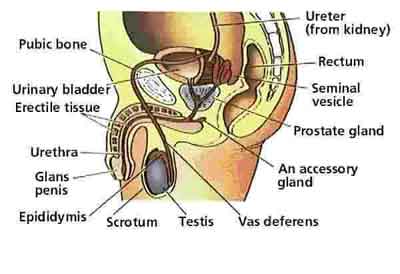 Figure 4. The male reproductive system - side view
But here is a truth that surprises many: sperm are fragile. The body produces millions because only a tiny number make it through the challenging journey in the female reproductive tract to reach the egg. It is a game of numbers, and most will not make it. In nature, this is how species survive, think of how fish release millions of sperm into water, hoping just a few will reach the eggs. In humans, the odds are stacked too, but all you need is one good sperm to fertilise one egg.
What if you have not had sex for days or weeks? Some men think they can “save up” sperm for better chances, but the body does not work that way. If ejaculation does not happen for many days, sperm simply die and are reabsorbed by the body. This is why, after a long period of abstinence, a sperm test might show many dead or non-moving sperm. On the flip side, you cannot “run out” of sperm. As long as you have at least one healthy testicle, your body keeps making fresh sperm every day, whether you are sexually active or not.
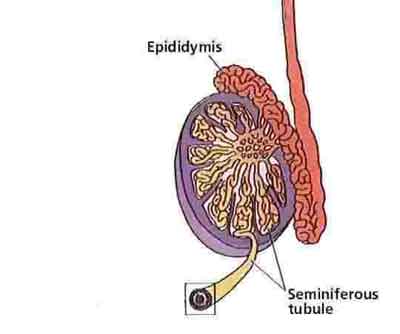 Figure 5. A section through the testis and epididymis
Understanding Testosterone and Male Fertility
Testosterone is the main male sex hormone, produced by the testicles starting at puberty. It is made by special cells called Leydig cells, which respond to signals (LH, or luteinizing hormone) from the brain. Testosterone is what makes boys grow into men, triggering things like deeper voices, facial hair, and muscle growth. It is also important for sexual desire, or libido.
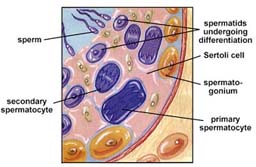
But here is something most men do not know: testosterone and sperm production, while related, are not the same thing. The cells responsible for sperm (inside the seminiferous tubules of the testis) are separate from the cells that make testosterone. This means a man can have normal testosterone levels, feel healthy and “manly,” yet still struggle with sperm production, and vice versa.
Making sperm requires more than just testosterone. The hormone FSH (follicle-stimulating hormone), also from the brain’s pituitary gland, acts on Sertoli cells in the testicles. These Sertoli cells help nurture sperm as they develop. They also make special proteins (like androgen-binding protein) that help testosterone act where it is needed for sperm growth. It is a team effort, and each part needs to work properly for healthy sperm to be made.
So, if you are worried about your fertility, remember: having a healthy sex drive or looking masculine does not always mean your sperm are healthy. If you are facing difficulty conceiving, it is important to check both sperm health and hormone levels. At Malpani Infertility Clinic, we see many men who feel perfectly healthy but discover issues only after a semen analysis. There is no shame in this. It is simply biology, and with the right guidance, there are ways forward.
The Hidden Struggles Men Face
Many men feel embarrassed or even ashamed when they learn there could be a problem on their side. Society often ties masculinity to fertility, but the truth is, male fertility problems are common and nothing to be ashamed of. Sometimes, the hardest part is just taking the first step to get tested or talk to a doctor.
Male fertility issues are far more common than you think, but most men suffer in silence instead of seeking help.
At Malpani Infertility Clinic, we believe in no-nonsense, honest advice. We encourage men to ask questions, seek clarity, and take charge of their health. Knowledge is power. Understanding your own body can make the difference between months of frustration and the joy of holding your baby in your arms.
When to Seek Help and What to Expect
If you and your partner have been trying for a year without success, or if you know you have risk factors (like previous testicular surgery, injury, or hormonal issues), a semen analysis is the best first step. This simple test examines sperm count, shape, and movement, three things that matter most for fertility. At our clinic, we make sure you understand the results without jargon or judgment.
- If your sperm count is low, do not panic: many causes are treatable, and sometimes improving lifestyle or addressing medical conditions can help.
- If your sperm are not moving well, we look at the reasons, sometimes it is an infection, a blockage, or even lifestyle habits.
- If you have no sperm (azoospermia), we investigate further. With advanced techniques, even men with no sperm in their semen can sometimes become fathers with help.
Our team is here to support you, whether you just want honest answers or are ready to explore treatment options.
of infertility cases involve male factors, getting tested is a smart, proactive step for couples trying to conceive.
Making Better Decisions for Your Fertility
It is easy to feel lost or isolated when dealing with fertility issues. Remember, you do not have to figure this out alone. At Malpani Infertility Clinic, our goal is to empower you with information and compassion, so you can make the best decisions for your family. We take pride in treating every patient with respect and honesty, no false promises, no sugar-coating. If you have questions about your sperm health, hormones, or fertility options, we are always here to listen and guide you.
Frequently Asked Questions
Q: Does penis size affect fertility?
A: No, penis size has nothing to do with fertility. Fertility depends on healthy sperm production and delivery, not the size or shape of the penis.
Q: How often should a man ejaculate to maintain healthy sperm?
A: There is no specific rule. Sperm are produced continuously, and the body does not "run out" of sperm. Regular ejaculation (every few days) can help prevent a build-up of dead or immotile sperm but is not strictly necessary for fertility.
Q: What does a semen analysis check for?
A: A semen analysis measures sperm count, movement (motility), shape (morphology), and other factors to assess male fertility.
Q: Can a man have normal testosterone and still have infertility?
A: Yes, it is possible. Testosterone affects male characteristics and sex drive, but sperm production is a separate process and can be affected even if testosterone levels are normal.
Q: Can lifestyle impact sperm health?
A: Yes. Factors like smoking, alcohol, obesity, stress, and certain medications can reduce sperm quantity and quality.
Q: When should a couple seek help for male infertility?
A: If you have been trying to conceive for over a year without success, or if there are known risk factors, seek advice from a fertility expert for proper evaluation.