

How the Sperm and Egg Meet - and What happens Next. In vivo fertilisation
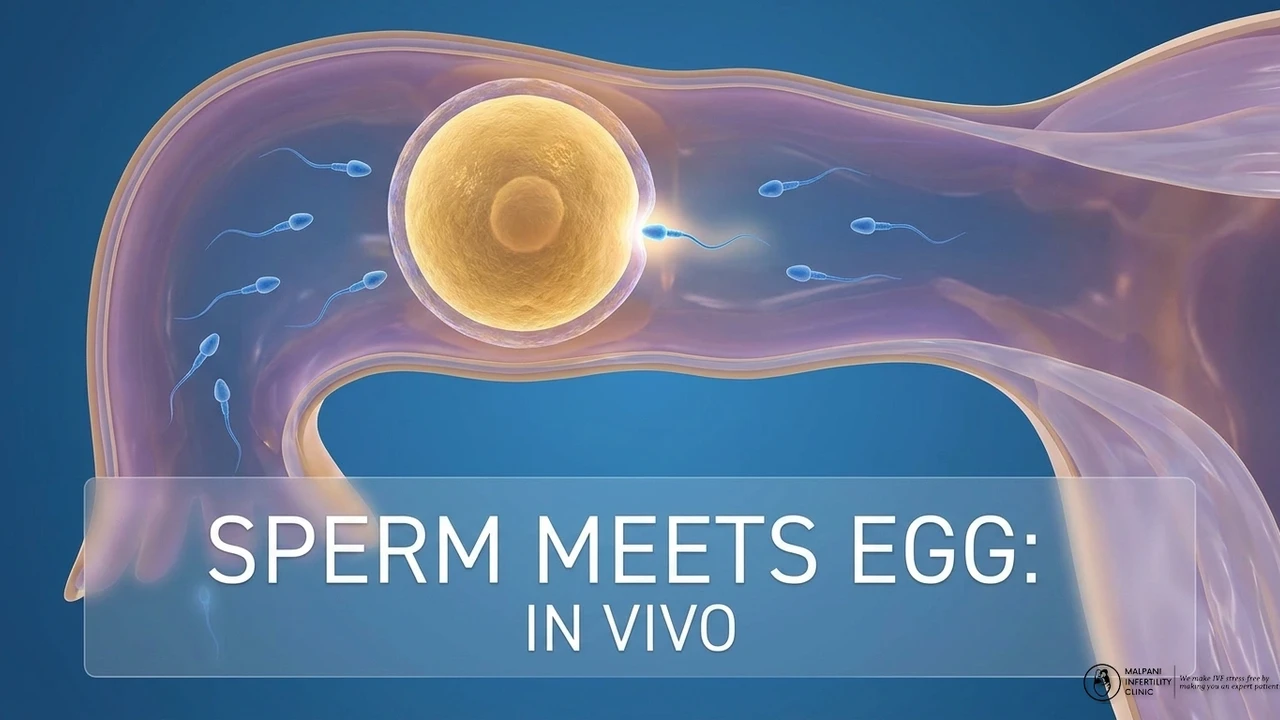
Have you ever found yourself staring at a negative pregnancy test, wondering what actually happens inside your body every month? You are not alone. Many couples imagine conception as something almost magical, but when it does not happen, it can feel like your body is hiding secrets from you. If you have been trying, hoping, and waiting, understanding exactly how the sperm and egg meet can help you feel more in control, and less alone in your struggle.
What happens to the sperm once they enter the woman's vagina?
What happens to the egg when conception occurs?
What happens when the egg and sperm meet?
The Journey of Sperm
Every time you and your partner try for a baby, millions of sperm are released inside the vagina. It sounds like overwhelming odds, but the reality is, most of those sperm will not make it very far. The environment inside the vagina is naturally acidic, which can kill many sperm within minutes. Only the healthiest and fastest swimmers survive to begin the marathon towards the egg.
Some sperm quickly enter the cervix and find shelter in the cervical mucus. This mucus, especially around ovulation, becomes thinner and friendlier, allowing sperm to pass through with greater ease. Here, sperm can actually survive for up to 48 to 72 hours, waiting patiently for the egg to appear, which is why having sex even a day or two before ovulation can still result in pregnancy. The sperm are released in small batches, swimming upwards towards the fallopian tubes, propelled by the whip-like motion of their tails.
Of the millions that start the journey, only a few hundred sperm ever reach the vicinity of the egg.
It might seem unfair, but this massive "wastage" is nature's way of ensuring only the healthiest sperm reach the egg. For couples facing infertility, understanding this journey can help explain why even with everything "working," conception may not happen every month.
The Egg’s Role in Conception
While sperm are busy racing, the egg is preparing for its own grand entrance. Once a month, during ovulation, a mature egg is released from the ovary. This moment is the only window when conception can happen, as the egg survives for just about 12 to 24 hours after release.
As ovulation occurs, the egg bursts from the follicle in the ovary, a process that looks a bit like a tiny volcano erupting. The fallopian tube’s fimbria, finger-like projections, sweep over the ovarian surface and gently "pick up" the egg. The egg is then nestled within a cloud of nurturing cells called the cumulus oophorus, surrounded by a protective shell called the zona pellucida (think of it as the egg’s own security system).
Once inside the fallopian tube, the egg waits, briefly, but hopefully. If it is not fertilized within this narrow window, it simply disintegrates and is reabsorbed by the body, unnoticed. For couples struggling with infertility, knowing how short this window is can help in timing intercourse or treatments more accurately.
When Egg and Sperm Meet
Now comes the part that feels almost mythical: fertilization. After the sperm’s demanding journey, only a select few even reach the egg. The egg releases chemical signals, like a beacon, to guide the sperm to its location. When they arrive, the sperm crowd around, but only one will ultimately succeed.
The sperm must first break through the layers of cells (the cumulus oophorus) surrounding the egg. This is a team effort. Once a sperm reaches the egg’s outer shell, it releases special enzymes from a cap-like structure called the acrosome. These enzymes digest a tiny hole through the zona pellucida, allowing one sperm to slip inside. As soon as one sperm enters, the egg’s shell instantly hardens, blocking any other sperm from getting in.
Inside the egg, the genetic material from the sperm and the egg fuse to create a single cell: the embryo. This is the beginning of a unique new life, with its own genetic code. The embryo then starts dividing rapidly, becoming a ball of cells as it travels down the fallopian tube towards the uterus. This journey takes about three to five days.
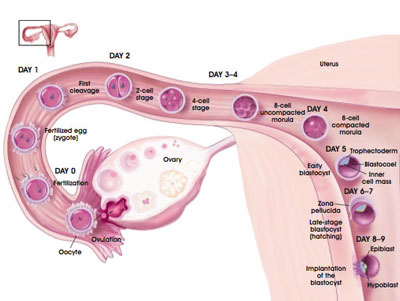
Fig 6. How an egg is fertilised
Implantation and What Happens Next
Reaching the uterus is not the end of the story. The embryo must "hatch" out of its protective outer shell before it can attach itself to the uterine lining, a crucial process called implantation. If the embryo successfully implants, pregnancy begins and hormones are released to support it. If not, the embryo is lost and the process starts all over again.
is the chance of conception during a single natural cycle for most healthy couples under 35.
It is important to know that even in the best circumstances, most eggs and embryos do not result in pregnancy. Many fertilized eggs never implant, and many embryos stop developing before a pregnancy is even detected. This is a natural part of the process and not a personal failure.
When Things Don’t Go as Planned
If you feel like you are doing everything right and still not conceiving, you are not alone. Sometimes, small issues at any step, like sperm not surviving, eggs not maturing properly, or the tubes being blocked, can prevent conception. Age, health conditions, and even just bad luck can play a role.
At Malpani Infertility Clinic, we have seen every kind of struggle: couples who have tried for months or years, those who have faced repeated disappointment, and those who feel like they are running out of time. Our approach is honest and straightforward. We believe you deserve to understand what is happening inside your body, and what realistic steps you can take to improve your chances.
Sometimes, simple testing and advice can make all the difference. Sometimes, treatments like ovulation induction, IUI, or IVF are needed. But every journey is unique, and you should never feel rushed or pressured. Our role is to guide you through the maze with clarity and compassion, ensuring you know your options and feel supported at every step.
Frequently Asked Questions
Q: How long do sperm survive inside the female body?
A: Sperm can survive in the cervical mucus for up to 48 to 72 hours, sometimes even up to five days in the most fertile conditions.
Q: How long is the egg available for fertilization?
A: An egg can be fertilized for only 12 to 24 hours after it is released from the ovary.
Q: When is the best time to have intercourse to maximize the chances of conception?
A: The best time is in the days leading up to and including ovulation, since sperm can wait for the egg in the reproductive tract.
Q: What happens if the egg and sperm do not meet?
A: If fertilization does not happen, the egg dissolves and is absorbed by the body, leading to your next menstrual period.
Q: Can problems in the sperm’s journey or the egg’s release cause infertility?
A: Yes. Issues with sperm quality, tube blockages, egg release, or other factors can affect conception. Investigating these steps can help identify and treat the cause.
Q: Is it normal for conception to take several months?
A: Yes. Even for healthy couples, conception may take several months. However, if you are under 35 and have been trying for over a year (or over 6 months if over 35), consider seeking advice.