
Everything about Male infertility and sperm morphology | Pus cells in semen analysis | Semen analysis report
Maybe this sounds familiar: you finally gather the courage to get tested, you wait anxiously for your semen analysis report, and when it arrives, you stare at those numbers and medical terms, feeling lost, worried, maybe even a little ashamed. You wonder, is this normal? Is it my fault? What does it all mean for our dream of having a child?
Understanding Sperm: More Than Just a Number
Many men feel blindsided when they hear about male infertility. Unlike women, who might have watched their periods for years, most men have no warning. Everything seems normal: libido, ejaculation, even the way semen looks. But fertility is rarely visible from the outside. That’s why a semen analysis is such a crucial first step if you and your partner are struggling to conceive.
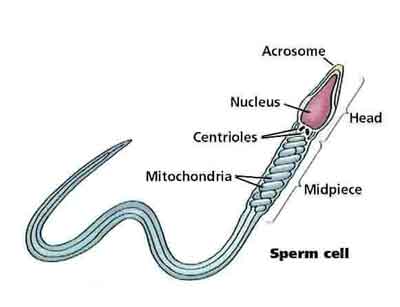
Sperm are tiny cells, but their job is huge: to carry half the genetic material needed to create new life. Each sperm has three parts:
- Head: Contains DNA and enzymes to break into the egg
- Mid-piece: Packed with energy-making mitochondria
- Tail: Works like a propeller, pushing the sperm forward
You can learn more about what’s normal for sperm in terms of count, movement, and shape here:
- What is a normal sperm count?
- What is normal sperm motility?
- What is normal sperm morphology?
- What does the presence of pus cells in the semen signify?
- What does a normal semen analysis report mean?
- What are the reasons for a poor semen analysis report?
- What if my sperm count is zero (azoospermia)?
If you want to see what a typical semen analysis report looks like, this sample can help: View a sample semen analysis report
Sperm Count, Motility, and Morphology: What Do They Mean?
When you open your semen analysis, three numbers matter most: sperm count, motility, and morphology. Each one tells a different part of the story about fertility.
- Sperm count: This is the number of sperm per milliliter (ml). Anything below 15 million sperm per ml is considered low (oligospermia). Less than 5 million is very low. Some men have zero sperm in their semen (azoospermia), which can be shocking and deeply distressing.
- Motility: This is about how well sperm swim. Only sperm that move forward quickly can reach and fertilise the egg. Motility is divided into four grades:
- Grade a (fast progressive): Sperm swim quickly in a straight line.
- Grade b (slow progressive): Sperm swim forward, but slowly or in a curved path.
- Grade c (nonprogressive): Sperm move their tails but do not move forward.
- Grade d (immotile): Sperm do not move at all.
- Morphology: This looks at sperm shape. Ideally, a sperm should have an oval head, a connecting mid-piece, and a straight tail. Too many abnormally shaped sperm (teratozoospermia) can mean the sperm are not able to fertilise the egg. Labs use strict criteria: even if only 4 to 15 percent of sperm are perfectly shaped, the sample is still considered normal. Sadly, many labs make mistakes and report a high number of abnormal sperm, leading to unnecessary worry and sometimes even pushing patients towards IVF or ICSI they may not need. Always ask to see the stained semen slide if you are unsure. Read more about this issue here: The teratozoospermia “abnormal form” racket
Want to see what real sperm look like under the microscope? This short video can help: Sperm Video
Other Key Details in Your Semen Report
There’s more to the report than just count, movement, and shape. Here are other factors that can cause concern or confusion:
- Sperm clumping or agglutination: Sperm should be swimming freely, not sticking together in bunches. Clumping makes it harder for them to reach the egg.
- Pus cells (white blood cells): A few are normal, but many can mean infection. However, many labs cannot tell the difference between normal sperm precursor cells and pus cells, leading to overdiagnosis of “infection” and unnecessary antibiotics. Learn more about how to read these reports honestly: Pus cells in semen: What’s real and what’s not
- CASA (computer assisted semen analysis): Some labs use computers for analysis. This might sound more precise, but results can vary widely depending on the equipment and settings. Human review is still important.
Male infertility is not just about numbers. It's about understanding what those numbers mean for your unique situation and not letting one report decide your future.
When Should You Worry? And When Not To?
It’s completely normal to feel anxious if your report shows low numbers. But before you panic, know this: semen quality can change over time. A single poor result is not a life sentence. Sometimes, problems can be caused by:
- Improper collection (not collecting the whole sample, or using a dirty container)
- Waiting too long before the sample is tested
- Providing a sample too soon after your last ejaculation
- Recent illness or fever (even mild, in the last three months)
If your results are abnormal, repeat the test two or three times over three to six months. Always use a reliable lab. Sperm production takes about six weeks, so wait before retesting. If you get a normal result, you usually do not need further testing or even a physical exam. But even a normal report does not guarantee fertility. The only way to know for sure if sperm can fertilise an egg is in the IVF lab.
Even up to 85 percent abnormal-shaped sperm is still considered normal in a semen analysis, perfection is not required for fertility.
Azoospermia: When Sperm Count is Zero
Learning your sperm count is zero (azoospermia) can feel like your world has collapsed. Yet, it’s more common than you think, and there are specific steps to follow. First, always ask the lab to double-check, ideally with two samples an hour apart, and to centrifuge the sample (this might reveal rare sperm in the sediment, called cryptozoospermia). Read more about azoospermia here: Azoospermia: What next?
If your sample is truly zero, the next step is to find out why. There are two broad causes:
- Obstructive azoospermia: The testicles make sperm, but a blockage prevents it from being ejaculated. Testes are usually normal sized and firm. Semen volume is normal, and certain chemicals (like fructose) are present.
- Non-obstructive azoospermia: The problem lies in sperm production itself. Testes may be small or normal. Production might be patchy (some sperm made but not enough), or absent (complete failure). Sometimes, a testicular biopsy is needed to tell the difference.
Other findings, like absent vas deferens or seminal vesicle obstruction, have their own signs, often low volume, acidic pH, or absence of fructose. Every result points towards a different path forward. Knowing the precise cause shapes your options for treatment, whether that means surgical sperm retrieval, donor sperm, or other solutions.
The Malpani Approach: Honest Advice and Personalised Care
At Malpani Infertility Clinic, we believe in giving you the truth, no sugarcoating, no unnecessary treatments, no empty promises. We help you understand your reports, recommend only the tests and treatments you truly need, and focus on empowering you to make informed decisions. If you’re confused, scared, or feeling alone, you’re not. We’ve helped thousands of couples navigate these same worries.
Our guidance is always based on facts, not on pushing you into expensive or invasive procedures. Sometimes, all that’s needed is reassurance or a second test. Sometimes, a more tailored approach is needed. If you want to talk through your report or next steps, we’re here to give you honest answers.
Frequently Asked Questions
Q: What is considered a normal sperm count?
A: A sperm count of 15 million or more per milliliter is considered normal. Anything below this is termed oligospermia, and zero sperm is called azoospermia.
Q: How important is sperm motility?
A: Sperm motility is crucial because only sperm that move forward quickly can reach and fertilise the egg. At least 40 percent motility is considered normal.
Q: Can abnormal sperm morphology cause infertility?
A: If most sperm are abnormally shaped, it can make fertilisation less likely. However, even if only a small percentage are perfectly shaped, natural conception is still possible.
Q: Why do I see pus cells in my semen report?
A: A few pus cells are normal, but many can suggest infection. However, labs sometimes misidentify normal cells as pus cells. Always consult a fertility expert before starting antibiotics.
Q: My sperm count is zero. What should I do?
A: Ask the lab to recheck the sample and look for rare sperm in the sediment. If azoospermia is confirmed, further testing is needed to determine if it’s due to a blockage or a problem with sperm production.
Q: How often should I repeat a semen analysis if the result is abnormal?
A: Repeat the test two or three times over three to six months, using a reliable lab. Wait at least six weeks between tests for new sperm to be produced.
Q: Does a normal semen analysis guarantee fertility?
A: No test can guarantee fertility. Even normal-looking sperm can sometimes fail to fertilise an egg. A normal report is reassuring, but not a guarantee.
Q: Can lifestyle changes improve my sperm quality?
A: Yes, healthy habits like quitting smoking, reducing stress, eating well, and avoiding heat or toxins can help improve sperm quality over time.