

DIY - Self Insemination
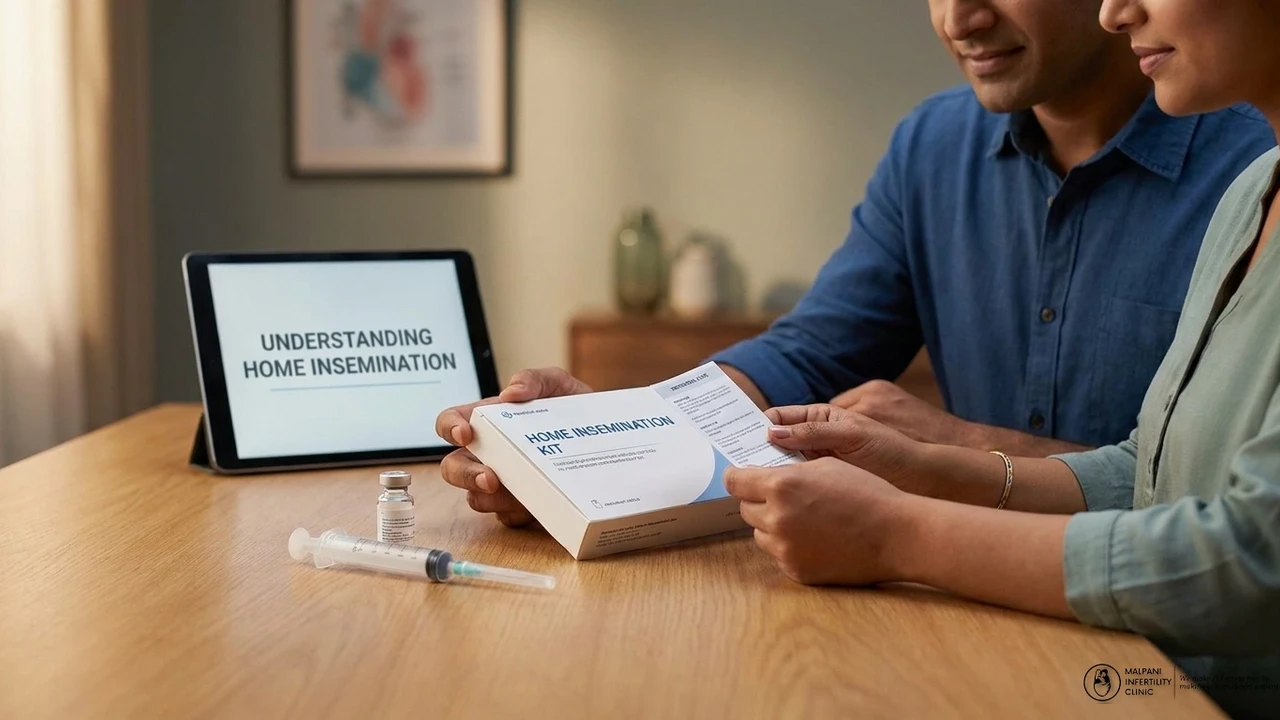
Maybe you’re reading this after another failed attempt at getting pregnant, feeling frustrated and tired of being told what you “should” be doing. Or maybe you’ve been searching for solutions because sex is painful, or impossible right now, or you’re on your own and determined to become a parent on your terms. If you’ve landed here, you’re probably wondering: could self-insemination at home really work for people like us? You’re not alone in asking.
Understanding Self-Insemination
Self-insemination, sometimes called DIY insemination or at-home insemination, is a way to place sperm inside the vagina without penetrative sex, using a simple kit. It’s a lifeline for couples with sexual difficulties like vaginismus or erectile dysfunction, for single women, or for same-sex couples who want to try for a baby using sperm from a partner or donor.
It sounds clinical, but for many, it’s actually a gentle, private, and affordable first step. At Malpani Infertility Clinic, we’ve seen how empowering it can be for people to take charge of their own fertility journey, especially when so many feel sidelined by “one-size-fits-all” advice.
Who Can Benefit from At-Home Insemination?
If you’re reading this and thinking, “But is this really for me?”, here are some situations where self-insemination can help:
- You or your partner struggle with penetrative sex due to pain, anxiety, or physical limitations.
- Your partner is away during your fertile days, but you want to maximise your chances of conception.
- You’re a single woman or in a same-sex relationship, ready to start a family.
- Sexual dysfunctions like impotence or vaginismus are making conception through intercourse difficult.
But let’s not sugarcoat it: self-insemination isn’t for everyone. If you have known fertility barriers such as blocked fallopian tubes, low sperm count or motility, endometriosis, or if you’re over 35 and time is precious, it’s wise to get a proper fertility assessment first. Sometimes, waiting too long with DIY methods can mean missing the window where treatment could have made a real difference.
Many couples feel embarrassed about asking for help with something so private. But honest conversations lead to better decisions and, sometimes, better results.
How Does Self-Insemination Work?
Here’s what nobody tells you: self-insemination isn’t complicated, but details matter. The process is straightforward, but the first time can feel awkward, especially if you’re new to your own anatomy or worried about “doing it wrong.” You can always ask your doctor for guidance; sometimes, a little demonstration or explanation is all you need to feel confident.
To start, you’ll need:
- A fresh semen sample. Your partner can ejaculate into a clean, wide-mouthed plastic or glass container. This makes collection easier and avoids spills.
- Patience. Let the semen liquefy for about 15-30 minutes at room temperature. This helps the sperm become more mobile.
- A sterile Pasteur pipette. This is a soft plastic dropper that lets you draw up and gently deposit the semen deep in the vagina, close to the cervix. You can buy a self-insemination kit from us, which includes everything you need, or assemble your own.
- Optional extras: A speculum (to open the vagina), a mirror, a torch, or a cervical cap. These can help, but aren’t essential for success.
Here’s how to actually do it:
- Lie on your back with knees bent and hips elevated on a pillow. This helps gravity keep the semen close to the cervix.
- Your partner (or you) gently inserts the pipette into the vagina, as deep as comfortable, and slowly releases the semen. Aim for near the cervix, but don’t worry about perfect placement, sperm are built to swim!
- Stay lying down with your hips elevated for 10-15 minutes.
- Some leakage is normal, this happens after sex too, because the vagina is a closed tunnel. Don’t stress about it.
Timing is everything. The best chances are during your “fertile window”, the few days around ovulation. Use ovulation prediction kits or track your cervical mucus (it should look clear and stretchy, like egg-whites) to know when to try.
What’s Inside the Malpani Self-Insemination Kit?
If you want to skip the guesswork, our DIY Self-Insemination Kit contains:
- 3 sterile semen containers
- Sperm-friendly, nontoxic lubricant (liquid paraffin)
- Disposable sterile Pasteur pipettes
- Disposable sterile gloves
- A reusable plastic speculum
- Clear, detailed instructions

We’ve designed this kit to make the process as simple and safe as possible. It’s shipped discreetly and can be delivered anywhere in India, even small towns and villages. The cost is Rs 2350.
Typical success rate per cycle for women under 35 using home insemination.
Real Questions from Real People
You’re not alone in feeling overwhelmed by the logistics. Here are a few common worries and our honest answers:
- Does using a speculum hurt? You don’t have to use it. Inserting the pipette is usually easy. If you do use a speculum, a little lubricant helps; if natural lubrication is difficult, don’t worry, fertility isn’t affected by arousal or orgasm during the process.
- Where exactly do I deposit the semen? Close to the cervix is enough. Sperm are good swimmers and will find their way.
- Is it bad if semen leaks out? Totally normal. Just keep your hips elevated for a few minutes after insemination to give sperm their best shot.
- How long should I wait after collecting the sample? About 15 minutes, so the semen liquefies and sperm can move freely.
- Does the kit ship to small towns? Yes, we deliver across India and provide support if you have any questions about using the kit.

This kit is designed for discretion and ease of use, and comes with everything you need to get started.
What Else Should You Know?
While self-insemination can be a powerful tool, it’s not magic. If you’ve been trying for several months with no success, or you’re concerned about your age or underlying health issues, don’t wait too long. At Malpani Infertility Clinic, we believe in clear, honest advice: sometimes, moving to more advanced options could save you time, money, and heartbreak.
If you’re unsure whether self-insemination is right for you, or if you want to discuss your specific situation, talk to a real expert. Your fertility journey deserves empathy, expertise, and practical solutions, not guesswork or shame.
Frequently Asked Questions
Q: Is self-insemination as effective as clinic-based treatments?
A: For couples or individuals without significant fertility issues, self-insemination can be effective, especially when timed correctly. However, clinical treatments like IUI offer higher success rates in many cases, especially when fertility problems are known or suspected.
Q: How do I know when to inseminate?
A: The best time is during your fertile window, which can be tracked using ovulation prediction kits or by observing changes in your cervical mucus.
Q: Is it safe to use lubricants during self-insemination?
A: Only use sperm-friendly lubricants like the one provided in our kit. Many store-bought lubricants can harm sperm motility.
Q: What if most of the semen leaks out?
A: Some leakage is normal and expected. Lying down with a pillow under your hips after insemination helps sperm reach the cervix and increases your chances.
Q: Can I use donor sperm at home?
A: If using donor sperm, ensure it’s been properly screened for infections and genetic diseases. Legal parenthood can get complicated, so consult with a specialist for guidance.
Q: How can I order the Malpani Self-Insemination Kit?
A: You can order the kit directly online, via NEFT, or UPI. Once paid, email info@drmalpani.com or WhatsApp us at +91-9867441589 with your payment screenshot and address for prompt shipping.
Q: What should I do if self-insemination isn’t working?
A: If you’ve tried for several cycles without success or have other fertility concerns, consult a fertility expert for a full assessment and tailored advice.