

ICSI. Intracytoplasmic Sperm Injection. Testicular Sperm. Epididymal Sperm. PESA. TESE.
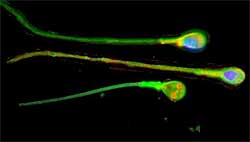
If you have been told you have zero sperm count or that your sperm do not look or move as they should, you might feel like fatherhood is slipping away. Maybe you have already faced the heartbreak of failed treatments, endless testing, or the awkwardness of being told you need to consider donor sperm. It is overwhelming and can feel hopeless. But the truth is: even with severe male infertility or azoospermia, there are real, science-backed solutions that let many men become biological fathers. You are not alone, and your options might be better than you think.
ICSI: A Game Changer for Male Infertility
ICSI (Intracytoplasmic Sperm Injection) may sound intimidating, but for couples struggling with male infertility, it is often the single most effective tool available. ICSI is a special technique used during IVF where a single sperm is injected directly into an egg. What makes ICSI so powerful is that it works even when sperm are very few in number or look abnormal.
For men with low sperm count, very weak motility, or even sperm that look "odd" under the microscope, ICSI can still make fertilization possible. The magic equation becomes: one egg plus one sperm equals one embryo. This means that, instead of needing millions of healthy sperm, all that matters is finding a few living sperm, no matter how imperfect they look.
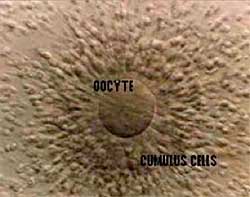
Fig 2. A mature oocyte cumulus complex
How ICSI Works: Step by Step
ICSI is not just a single moment in the lab. It is a carefully planned process, designed to give you the best possible chance of success.
- Stimulating Egg Production: The woman receives medication to help her ovaries produce multiple eggs. This is similar to classic IVF and increases the number of chances for fertilization.
- Egg Retrieval: The eggs are collected using a gentle procedure under ultrasound guidance. When eggs are first collected, they are surrounded by a "cloud" of support cells, called the cumulus corona complex. These are removed in the lab so the embryologist can see the egg clearly and choose only the mature ones for injection.
- Sperm Collection: Sperm is ideally collected via masturbation. For men with very few sperm, collecting two or even three samples in a row can sometimes yield more motile sperm. If you have a fluctuating sperm count, it may help to freeze a sample on a good day as a backup.
- Sperm Processing: Every precious sperm is isolated and carefully prepared. Even if there are only a handful, they can be found and saved for use in ICSI.
- Injection: Under a powerful microscope, a single sperm is selected and injected into the center of a mature egg using a glass needle. This is where the years of lab experience at clinics like Malpani Infertility Clinic truly matter, handling fragile sperm and eggs requires both skill and patience.
After injection, the eggs are monitored for fertilization, and the resulting embryos are cultured before being transferred back to the uterus or frozen for later use.
For ICSI, you do not need millions of perfect sperm, just a few living ones, no matter how odd they look.
Zero Sperm Count: What Options Exist?
One of the most difficult diagnoses a man can hear is "azoospermia", meaning there is no sperm in the semen. However, even with zero sperm on a standard test, there is still hope. The absence of sperm in the ejaculate does not always mean the testicles are not making any sperm at all.
Doctors classify azoospermia into two main types:
- Obstructive azoospermia: The testicles make sperm, but a blockage prevents them from reaching the semen. This could be due to previous surgery, infection, or being born without the sperm ducts (vas deferens).
- Non-obstructive azoospermia: The testicles are not making sperm normally, but sperm production can be "patchy." Even in men with very small testes or high FSH levels, there may be small pockets where sperm are being made.
For men with obstructive azoospermia, sperm can often be retrieved directly from the epididymis (the storage area behind the testicle) using a fine needle. This is called PESA (Percutaneous Epididymal Sperm Aspiration). If needed, a small surgical technique called MESA (Microsurgical Epididymal Sperm Aspiration) may be used for more difficult cases.
When sperm cannot be found in the epididymis, or when the problem is with sperm production itself, we can attempt to retrieve sperm directly from the testicles using TESA (Testicular Sperm Aspiration) or TESE (Testicular Sperm Extraction).
Understanding TESE: Testicular Sperm Extraction
TESE is a minor surgical procedure where small samples of testicular tissue are obtained under local anesthesia. The tissue is then examined in the laboratory to find sperm suitable for ICSI.
Even for men with non-obstructive azoospermia, where sperm production is very low or scattered, TESE can succeed in about half of cases. This is because defects in sperm production are often uneven, so a small area may still be functional even if most of the testis is not. Sometimes, several samples may need to be taken before sperm are found. This process can be time-consuming in the lab, taking up to a few hours, and requires skilled embryologists to identify and isolate any sperm present.
For some men, especially when sperm production is extremely limited, TESE may be done the day before the partner's egg retrieval. This gives the team more time to search for sperm and may allow sperm to mature further in the lab.
Up to half of men with non-obstructive azoospermia can have sperm found with TESE, even if their testes are very small.
Once sperm are found, they can be used fresh or frozen for future treatment cycles. Freezing avoids the need for repeated surgical procedures if you need more than one IVF attempt.
What if no sperm are found? Couples have the choice to either stop the IVF cycle or consider using donor sperm as a backup option. This is a deeply personal decision, and at Malpani Infertility Clinic, our team is here to offer honest advice and emotional support, never pushing you towards a choice you are uncomfortable with.
What Makes ICSI and Sperm Retrieval Successful?
The likelihood of finding sperm with TESE or other retrieval methods depends on your individual diagnosis. Some factors, like testicular size or hormone levels (FSH), can give clues about your chances, but they are not absolute. The only way to know for sure is to try.
At Malpani Infertility Clinic, we approach every case with individualized planning. We explain the honest odds, discuss whether to freeze sperm or eggs as a backup, and help you prepare emotionally for every outcome. Our lab team is highly skilled in finding and handling even the rarest sperm, and our protocols are designed to maximize your chances while minimizing unnecessary interventions.
For couples feeling lost or unsure about what to try next, a consultation with a fertility expert like Dr. Malpani can provide clarity and a practical roadmap tailored to your situation.
Frequently Asked Questions
Q: Can ICSI help if I have a zero sperm count?
A: Yes, ICSI can help many men with azoospermia by using advanced techniques to retrieve sperm directly from the epididymis or testicles. Even if your semen shows no sperm, there may still be sperm present that can be found and used for ICSI.
Q: How are sperm retrieved for ICSI if they are not present in semen?
A: Sperm can be retrieved using techniques like PESA (from the epididymis) or TESE/TESA (from the testicles). These are minor procedures done under local anesthesia and are usually safe and well-tolerated.
Q: What are the chances of finding sperm with TESE?
A: About half of men with non-obstructive azoospermia can have sperm retrieved with TESE. The odds are even higher for men with obstructive azoospermia.
Q: Is there a risk that no sperm will be found?
A: Yes, in some cases, no sperm can be found despite best efforts. The decision to proceed with egg retrieval or consider donor sperm as a backup is always discussed in advance with full transparency.
Q: Can retrieved sperm be frozen for future use?
A: Yes, any extra sperm found during retrieval can be frozen and used for future ICSI cycles, avoiding the need for repeated surgeries.
Q: Does ICSI increase the chances of birth defects or genetic problems?
A: Large studies show that ICSI is generally safe, but because it bypasses natural selection of sperm, there is a very small increased risk of certain rare genetic issues. Genetic counseling is offered for couples with known hereditary conditions or when using testicular sperm.